
Perris Monte Carlo: The Fragrance House Taking Over My Wish List
There are perfume houses I appreciate, houses I follow with curiosity, and houses that make the idea of owning just a few bottles increasingly difficult to defend.
Perris Monte Carlo belongs firmly in the last category.
My affection for this house comes from four fragrances in particular: Ylang Ylang Nosy Be, Jasmin de Pays, Ambre Gris and Tubéreuse Absolue.
Four very different creations, four reasons to keep exploring a brand that has become increasingly fascinating to me.
And as if that weren’t enough, there’s an entire collection of Extraits de Parfum waiting to be discovered.
My wish list is taking all of this remarkably well. My shelves, perhaps less so.
But what exactly makes Perris Monte Carlo such an interesting fragrance house?
Perris Monte Carlo: When Raw Materials Become the Story
Founded in 2011 by Gian Luca Perris, Perris Monte Carlo was born from a particular vision of perfumery: bringing traditional craftsmanship into conversation with modern research and innovation.
The house places considerable importance on raw materials, their origins and the techniques used to extract their aromatic richness.
There’s something appealing about this philosophy.
In a market where perfume launches are frequently accompanied by elaborate stories about emotions, seduction and personal transformation, Perris Monte Carlo often begins with something rather more tangible.
An ingredient.
A flower. A resin. A wood. A material worth exploring.
And while storytelling certainly has its place in perfumery, I appreciate when the fragrance itself remains the principal attraction.
The house’s collections explore different interpretations of this philosophy, from the precious materials of the Black Collection to the more opulent Gold Collection and the floral traditions celebrated in Les Parfums de Grasse.
Different approaches, but a recognizable interest in the materials that make perfumery so fascinating.
Ylang Ylang Nosy Be: Where My Enthusiasm Begins
Some fragrances make an impression. Others make you want to investigate an entire perfume house.
For me, Ylang Ylang Nosy Be belongs to the second category.
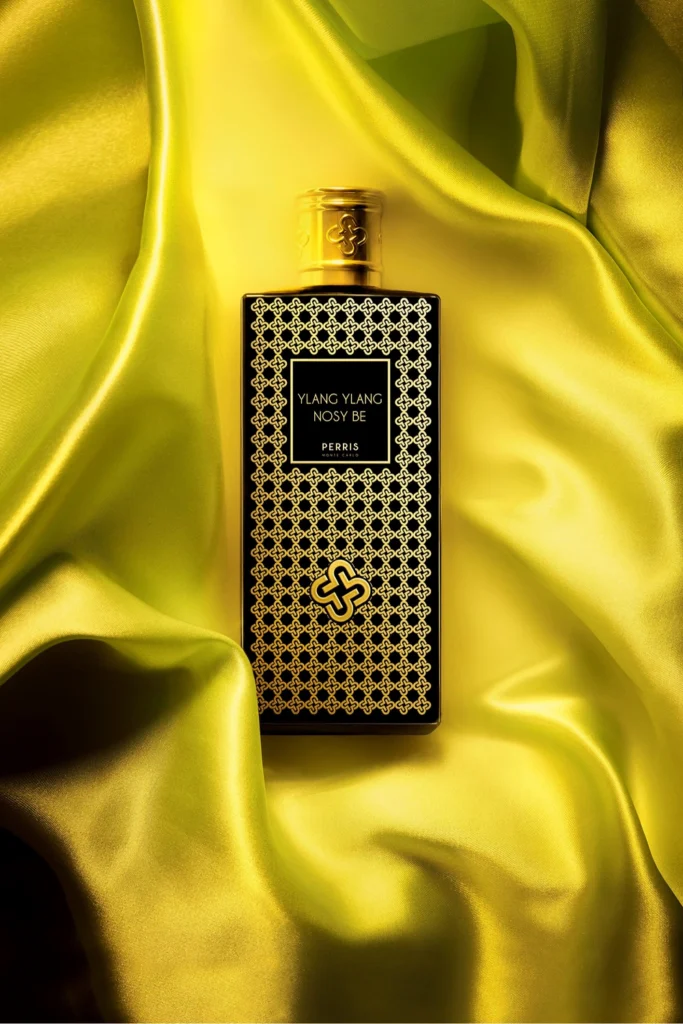
I find it absolutely wonderful.
Not exactly the most restrained critical assessment, I know, but pretending otherwise would be rather pointless.
The fragrance takes its name from Nosy Be, the island off the northwestern coast of Madagascar, an area associated with the cultivation of ylang-ylang.
And this flower, with its unmistakably exotic personality, is at the heart of the composition.
What interests me most about Ylang Ylang Nosy Be is how strongly it has influenced my relationship with Perris Monte Carlo.
It’s one of those fragrances that goes beyond a passing appreciation. The kind that makes you pay closer attention whenever the house introduces something new.
I want to give it the space of a dedicated review eventually, because a perfume I love this much deserves more than a few enthusiastic paragraphs.
For now, let’s simply say that Ylang Ylang Nosy Be has made an exceptionally convincing argument for my continued exploration of the brand.
And unfortunately for my collection, it wasn’t the only one.
Jasmin de Pays: Jasmine in the Sunshine
If there’s one thing regular readers may have noticed, it’s that I have a rather serious weakness for white florals.
Jasmine, tuberose, orange blossom: apparently, I have decided that moderation is entirely unnecessary when flowers are involved.
But even among fragrances built around ingredients I adore, there are compositions that manage to surprise me.
Jasmin de Pays is one of them.
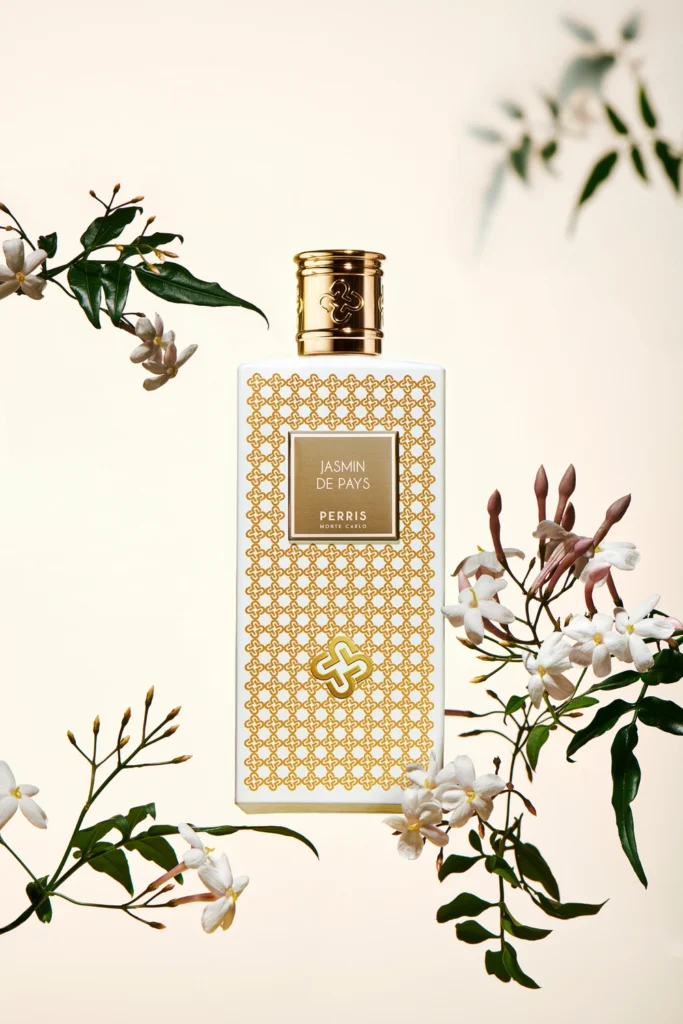
Created by the legendary Jean-Claude Ellena for Les Parfums de Grasse, this fragrance is inspired by the perfumer’s memories of jasmine and its changing scent throughout the day.
And to my nose, it is perhaps one of the most realistic and luminous jasmine fragrances I’ve ever encountered.
What makes it so beautiful is precisely what it doesn’t exaggerate.
Jasmine can have an intensely indolic, creamy and almost carnal personality. Those darker, more seductive aspects are part of the flower’s extraordinary complexity.
But in Jasmin de Pays, I don’t find them particularly emphasized.
Instead, what emerges is a radiant, natural interpretation of the flower.
It’s jasmine in the sunshine.
A jasmine that feels open, bright and wonderfully alive, without needing to rely on its more provocative characteristics to make an impression.
I find that particularly captivating.
There’s a delicacy to this interpretation that doesn’t diminish its personality. If anything, it makes the flower feel even more recognizable.
And perhaps that’s what I appreciate most about Jean-Claude Ellena’s approach here.
He doesn’t seem interested in overwhelming the senses. He allows the beauty of the subject to speak.
Sometimes, the most seductive thing a perfume can do is simply smell beautiful.
Jasmin de Pays understands that perfectly.
Ambre Gris: The Scent of Understated Luxury
If Jasmin de Pays is sunlight, Ambre Gris belongs to an entirely different world.
One defined by elegance, richness and a particular idea of luxury.
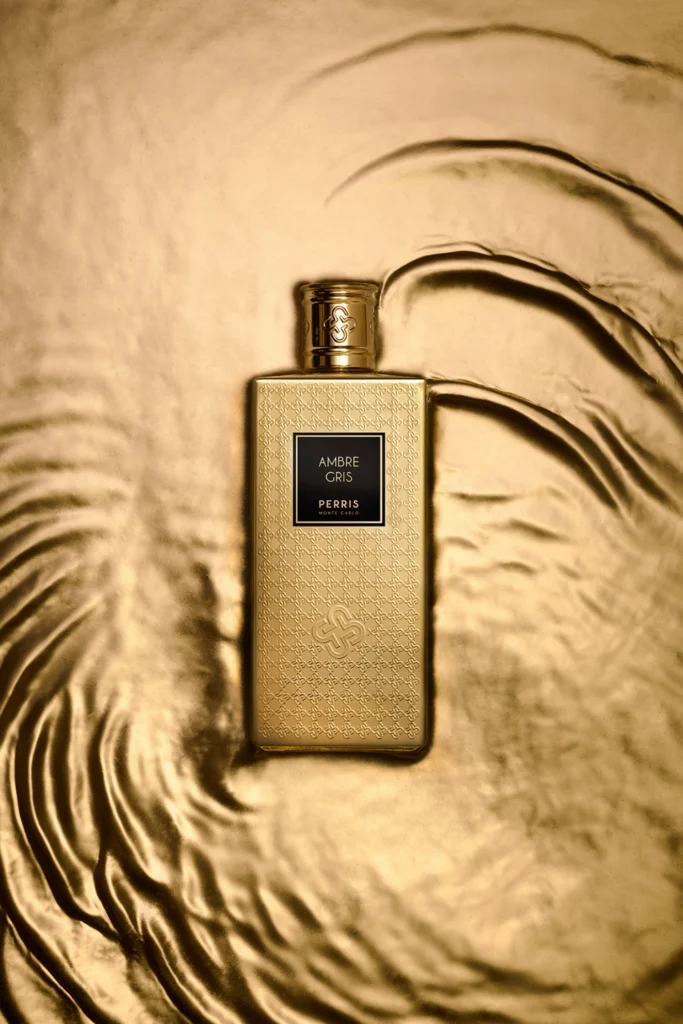
In fact, if I had to associate Ambre Gris with a single concept, luxury would be my immediate answer.
But not the loud, ostentatious kind.
I’m not talking about a fragrance that desperately wants everyone in the room to know how expensive it is.
Ambre Gris suggests something far more interesting.
It’s opulent, certainly, but never vulgar or excessively showy.
To my nose, it has these almost talc-like, powdery nuances that give the composition an extraordinarily sophisticated aura.
There’s something deeply refined about the way I perceive it.
A sense of richness that doesn’t need to become overwhelming to feel luxurious.
And that’s precisely what fascinates me.
Ambre Gris is also one of those rare fragrances that I genuinely struggle to compare with anything else I’ve smelled.
Not because I believe there’s nothing remotely similar in the enormous universe of perfumery, but because it occupies a very particular place in my personal olfactory memory.
It doesn’t immediately remind me of another fragrance.
It reminds me of an atmosphere.
Of elegance without ostentation. Of luxury expressed through details rather than excess.
And considering how many fragrances are currently marketed as the ultimate expression of sophistication, finding one that actually evokes that feeling is particularly satisfying.
Ambre Gris doesn’t need to announce its luxury. You can smell it.
That’s a rather impressive achievement.
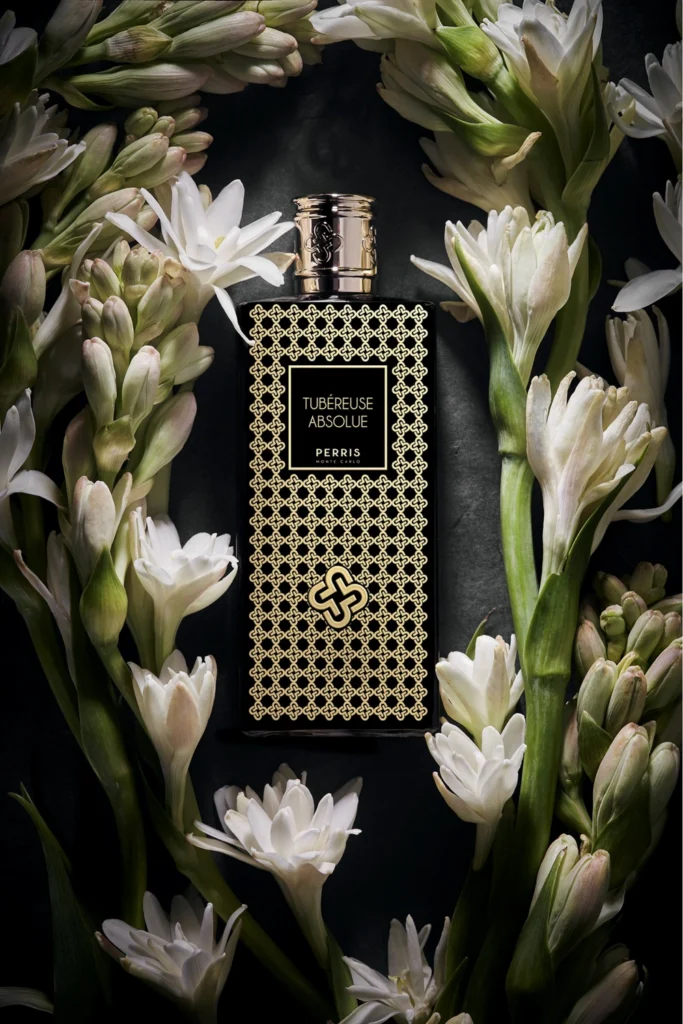
Tubéreuse Absolue: Another White Floral, Another Weakness
Then there’s Tubéreuse Absolue.
At this point, I imagine nobody is particularly surprised.
My relationship with white florals is well established, and tuberose is one of those notes I find endlessly fascinating.
But loving an ingredient doesn’t automatically mean loving every fragrance built around it.
If anything, familiarity can make me more demanding.
I know the sensations I enjoy, the facets that intrigue me and the interpretations that leave me less convinced.
Tubéreuse Absolue has earned its place among the Perris Monte Carlo fragrances I particularly appreciate.
The house explores the sensual personality of tuberose, a flower capable of moving between luminous floral beauty and something far more intense.
And while I’d like to dedicate a complete review to my experience with the Eau de Parfum, its presence in this Brand Focus is hardly accidental.
Together with Jasmin de Pays, it represents one of the reasons Perris Monte Carlo appeals so strongly to my existing tastes.
The remarkable thing is that the house doesn’t rely exclusively on those familiar preferences to keep my attention.
Ambre Gris has already demonstrated that.
And then there’s Ylang Ylang Nosy Be, which seems perfectly content to make the situation even more complicated.
A House of Different Collections
One of the aspects I appreciate about Perris Monte Carlo is how its catalogue allows different ingredients and olfactory directions to take centre stage.
The Black Collection celebrates precious materials through fragrances such as Ylang Ylang Nosy Be, Tubéreuse Absolue, Oud Imperial and Vanille de Tahiti.
Its instantly recognisable black bottles, decorated with an intricate gold pattern, communicate a distinctive aesthetic.
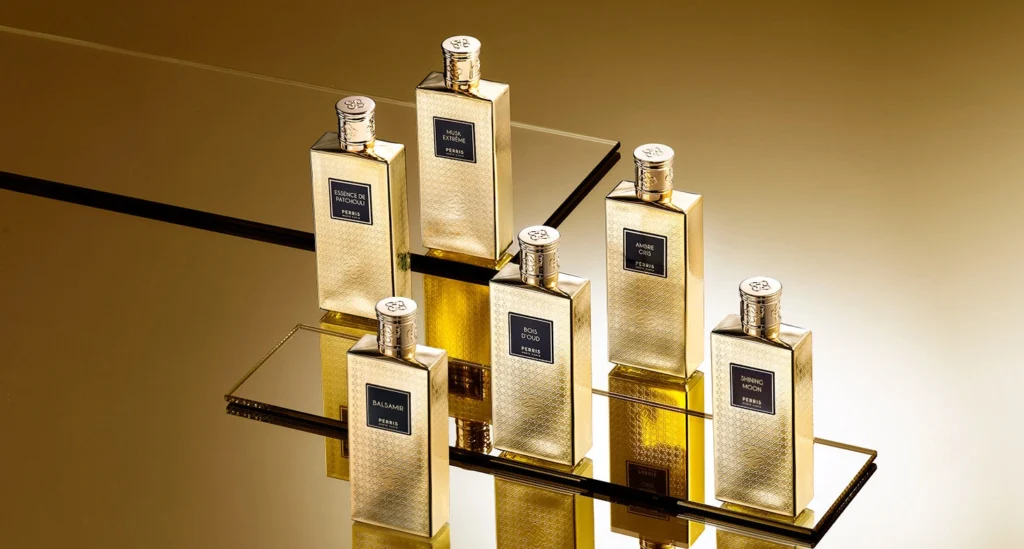
The Gold Collection, meanwhile, explores another expression of the house’s identity, with creations including Ambre Gris and Essence de Patchouli.
The golden bottles certainly don’t make much effort to appear modest, although the fragrances themselves can tell a more nuanced story.
Ambre Gris, at least to my nose, is the perfect example.
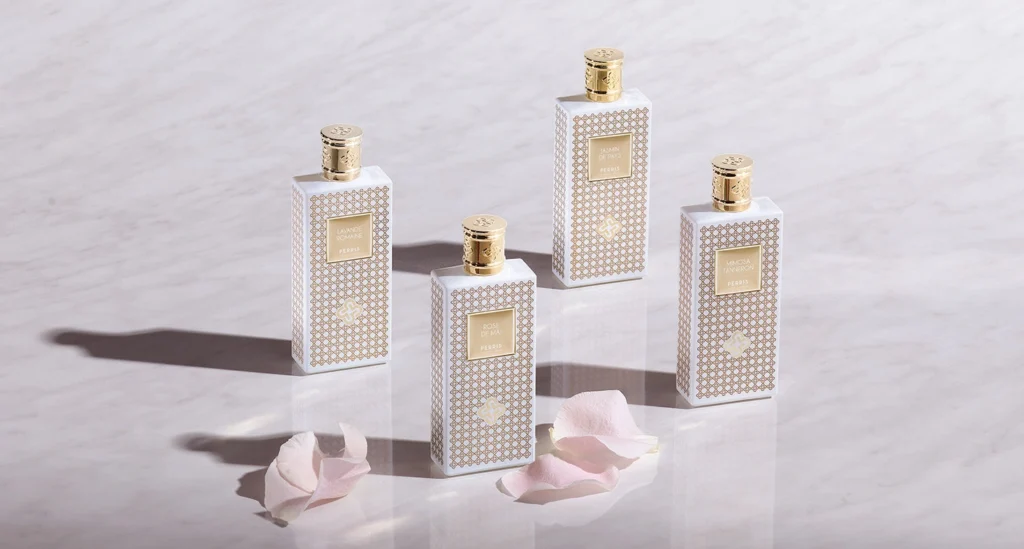
Then there’s Les Parfums de Grasse, a collection inspired by the history and traditions of one of perfumery’s most important regions.
With Jean-Claude Ellena contributing his interpretation of flowers such as jasmine, rose, lavender and mimosa, this collection has a particularly compelling identity.
Jasmin de Pays is already one of its finest discoveries for me.
And beyond these creations, the Italy Collection explores the aromatic richness of Italian citrus ingredients.
There’s enough variety here to keep any curious perfume enthusiast occupied for quite some time.
Which brings us to the next problem.
The Extraits de Parfum: A Temptation I Haven’t Finished Exploring
As much as I enjoy the fragrances I’ve already discovered, there’s another chapter of Perris Monte Carlo that keeps calling for my attention.
The Extraits de Parfum.
According to the house, this collection revisits compositions from the Black Collection in more concentrated interpretations, with particular emphasis on the richness and expression of their raw materials.
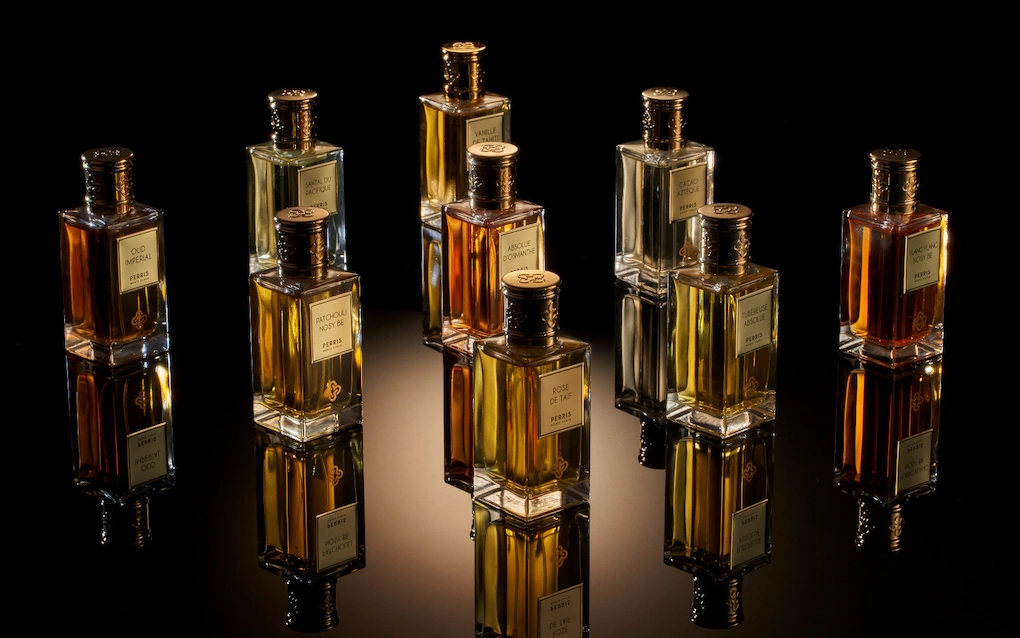
The range includes Ylang Ylang Nosy Be, Tubéreuse Absolue, Rose de Taif, Patchouli Nosy Be, Oud Imperial, Santal du Pacifique, Absolue d’Osmanthe, Cacao Aztèque and Vanille de Tahiti.
An entirely reasonable list of fragrances to investigate, provided one chooses not to think too carefully about the consequences.
What I find particularly intriguing is the possibility of revisiting perfumes I already love.
Would Ylang Ylang Nosy Be reveal different nuances in its extrait interpretation?
Would Tubéreuse Absolue emphasize aspects of the flower that are less prominent in the Eau de Parfum?
And, perhaps more importantly, would I prefer those versions?
Those are questions I would love to answer through proper skin testing.
I don’t automatically consider a more concentrated fragrance superior to its Eau de Parfum counterpart.
Concentration alone doesn’t guarantee a more beautiful composition, better performance or a more enjoyable wearing experience.
Sometimes, a change in balance can make all the difference.
And that’s precisely why these interpretations deserve to be evaluated individually.
For now, the Extraits remain an area I’m particularly curious to explore rather than a collection I’m ready to judge.
My wish list, naturally, has already reached its own conclusions.
Why Perris Monte Carlo Has Earned My Affection
What keeps drawing me towards Perris Monte Carlo isn’t simply the quality of its presentation or the reputation of its ingredients.
It’s the fact that the fragrances I’ve experienced have managed to appeal to different parts of my olfactory personality.
Ylang Ylang Nosy Be has become one of those fragrances I can’t help feeling enthusiastic about.
Jasmin de Pays has given me an extraordinarily luminous interpretation of a flower I already adore.
Ambre Gris has shown me a particular vision of luxury that feels sophisticated, opulent and beautifully restrained.
And Tubéreuse Absolue has reinforced my longstanding affection for white florals.
Four fragrances, four different experiences.
Together, they’ve made me genuinely curious about what else this house has to offer.
I don’t expect every Perris Monte Carlo fragrance to become a favorite, nor do I think that loving a brand requires admiring everything it creates.
That would be a rather expensive philosophy to maintain.
But when a house manages to capture my attention through such different compositions, I can’t help wanting to explore further.
And between the collections I already appreciate and the Extraits I still want to discover, Perris Monte Carlo has made a remarkably convincing argument for a larger section of my perfume shelf.
I remain open to negotiation. The shelf may be less cooperative.
| More Fragrance Houses Worth Exploring Some perfume houses deserve more than a passing mention. Explore my Brand Focus articles for a closer look at the stories, creative philosophies and fragrances behind the houses that keep my curiosity alive. Occasionally, they also explain why I’m running out of space. |