Sorrentino Perfumes: An Italian Independent Brand to Watch
One of the best things about Pitti Fragranze is not necessarily finding the brands you already know. It is discovering the ones you probably don’t. And among the names I want to meet properly in Florence this September, Sorrentino Perfumes immediately caught my attention.
This is a very young Italian independent house, built around the work and personal vision of perfumer Mattia Sorrentino. No century-old archive, no invented aristocratic ancestor, no suspicious story involving a forgotten formula found in a Tuscan attic. Just a new brand, a perfumer and an idea of what contemporary Italian niche perfumery can be. Frankly, that is already refreshing.
Who is Mattia Sorrentino?
Sorrentino describes his relationship with scent as something that started long before perfumery became a profession. His path eventually moved into the technical side of the craft: studying raw materials, chemistry, formulation and the structure of accords, as well as training at the Italian Perfumery Institute, where he now also collaborates as a teacher.
He also speaks about working alongside established perfumers and an Italian master perfumer before choosing independence. That last part matters, because independence is not being used here merely as a convenient niche-perfumery adjective. Sorrentino says every fragrance is formulated internally by him and built from scratch rather than starting from pre-structured bases.
A small collection, for now
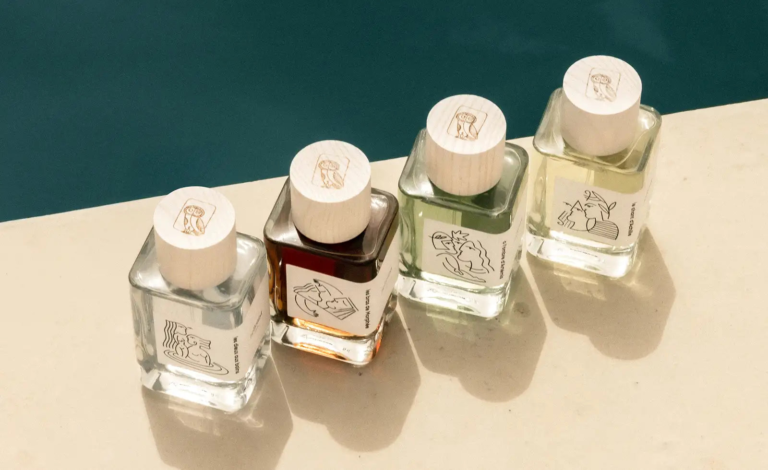
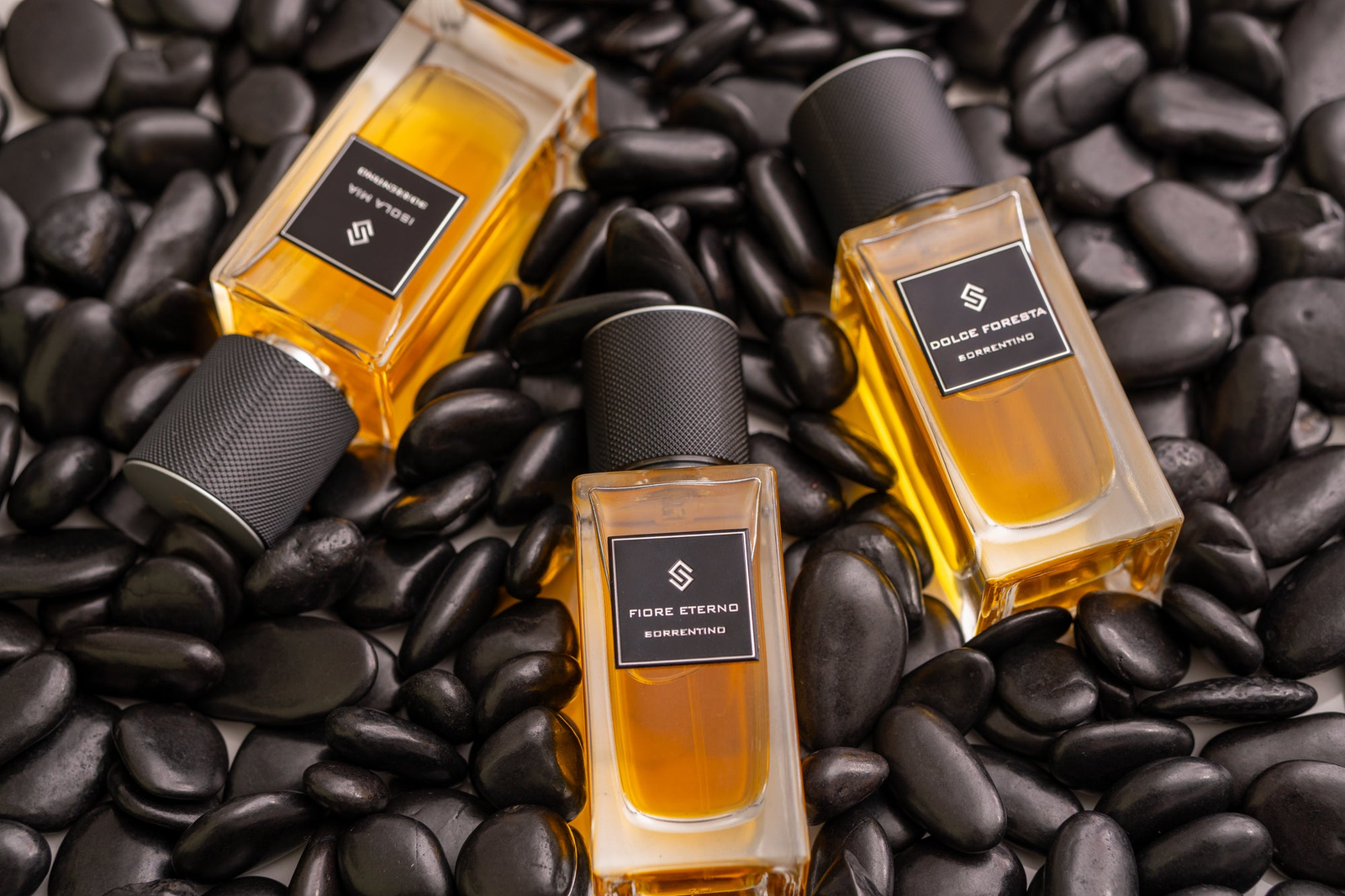
The current Sorrentino collection is refreshingly concise: Fiore Eterno, Isola Mia and Dolce Foresta. Three fragrances are enough to establish a point of view without requiring us to navigate seventeen flankers and a limited edition before lunch.
The brand presents its work around selected raw materials, creative freedom and a personal approach to fragrance. It also positions the collection as unisex, with the emphasis placed on identity and character rather than traditional gender categories.
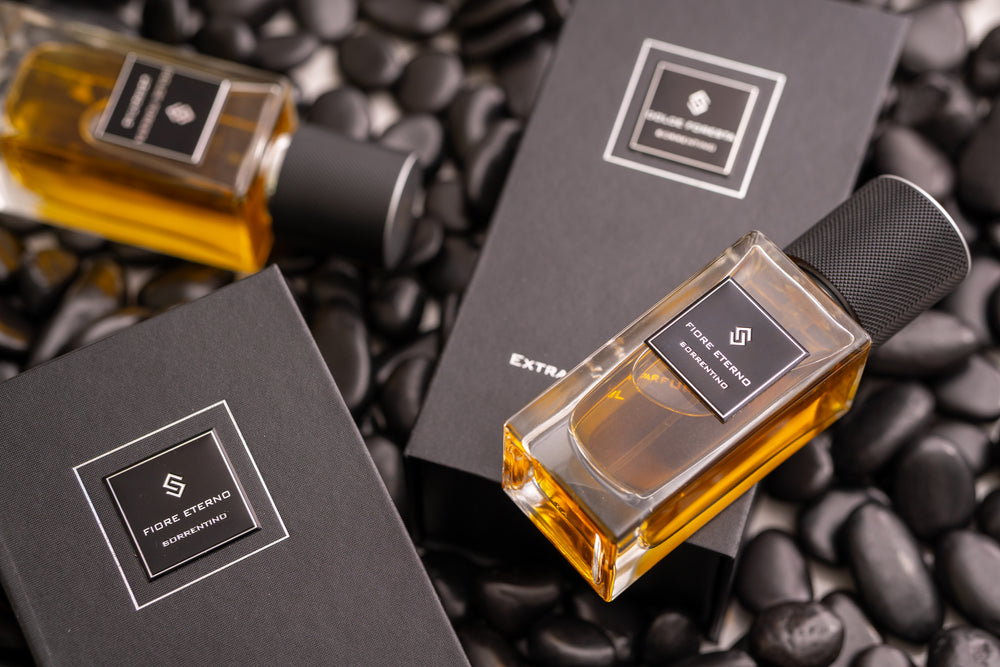
Fiore Eterno
Fiore Eterno is one of the three fragrances forming the debut collection. Rather than pretending I can tell you exactly how it smells from a note pyramid and a photograph, I am saving the actual judgement for Florence. That is, after all, the useful part of going to Pitti rather than reviewing perfume by telepathy.
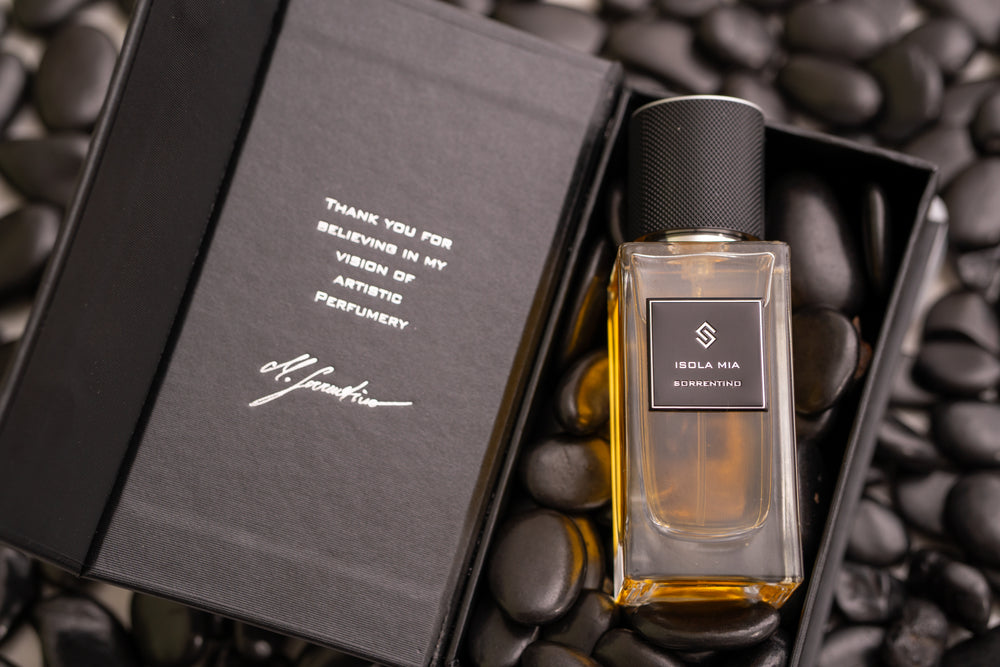
Isola Mia
Isola Mia is another of the house’s first creations. Even the name immediately suggests a more personal, place-driven story, which makes it one I am particularly curious to smell in person. With such a compact collection, Pitti should also give me the chance to understand whether there is already a recognizable Sorrentino signature running through all three fragrances.
Dolce Foresta
Dolce Foresta completes the current trio. Again, I have not smelled it yet, and that distinction is worth keeping clear. This is a brand introduction, not a review disguised as one. The interesting question for Pitti will be how these three different ideas translate on skin and whether the material-focused philosophy described by Sorrentino is perceptible in the finished perfumes.
Why Sorrentino is on my Pitti list
Pitti Fragranze returns to Florence’s Stazione Leopolda from 11 to 13 September 2026, bringing together more than 260 brands from the international artistic-perfumery scene. In an event of that size, it would be very easy to spend all day moving between familiar names. I would rather use at least part of it to find something I did not already know before walking through the door.
Sorrentino is exactly the kind of brand that makes that interesting: Italian, genuinely young, built around the work of its own perfumer and currently small enough that the entire collection can still be approached as a coherent project rather than an inventory.
I have not smelled the fragrances yet, so there will be no premature declaration that this is the next great revolution in Italian perfumery. Humanity has survived perfectly well without another breathless press release. For now, Sorrentino Perfumes is simply one of the emerging names I am genuinely curious to discover at Pitti. After Florence, we can talk about what my nose thinks.