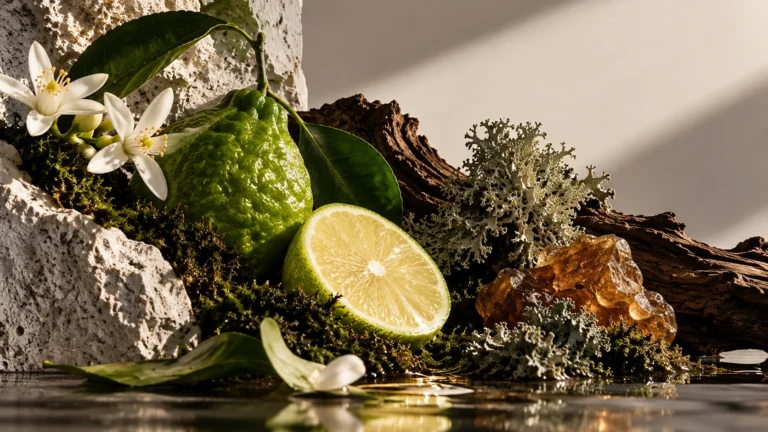
Bergamot in Perfumery: The citrus note that does far more than sparkle
Fresh, bitter, floral and quietly indispensable: bergamot does far more than open a perfume. Five fragrances show how versatile this Calabrian citrus can be.
Practical perfume guides, recommendations and explanations designed to make fragrance easier to explore, without unnecessary rules.
Fresh, bitter, floral and quietly indispensable: bergamot does far more than open a perfume. Five fragrances show how versatile this Calabrian citrus can be.
One tree, three genuinely different perfume materials. Here’s what actually separates neroli, orange blossom absolute and petitgrain, and why pyramids rarely explain it properly.
Strawberry does not yield a conventional essential oil, yet its scent appears everywhere in perfumery. Here is how the accord is built—and why it deserves better than its candy-store reputation.
Pistachio can smell creamy, toasted, green, floral or completely gourmand. We explore how perfumers use the note and five fragrances that show its evolution.
Amber is everywhere in perfumery, except it is not really a single ingredient. Here is what an amber accord actually is, how it smells and why amber, ambergris and Ambroxan are very different things.
It may look delicate, but iris has roots, patience and considerably more personality than a polite purple flower has any…
Creamy, narcotic, green or almost bubble-gum sweet: tuberose is one of perfumery’s most dramatic shape-shifters. Here is its story, plus five fragrances that show its different personalities.
Testing perfume should be simple, but first impressions, hype and beautiful bottles complicate everything. Here is how to smell more clearly.
Coffee beans are not magic, natural does not automatically mean better, and more sprays cannot rewrite a weak formula. Let us retire eight perfume myths with facts, nuance and a little fragrant nonsense.