Oud in Perfumery: The Note I Admire More Than I Wear
Understanding agarwood and finding a way to wear it
Oud in perfumery fascinates me, but wearing it is another matter. Oud and I are not enemies. We are more like two people who remain perfectly civil as long as nobody suggests spending an entire evening together. I admire its depth, its history and the sheer variety it can contain. Wearing it is more complicated. When an oud fragrance grows too dense or insistent on my skin, admiration does not make the afternoon any shorter.
That tension is a good reason to look more closely. Oud is simultaneously a material, an idea in a perfume brief and a word on a bottle. Those three things overlap, but they are not identical. One scent may bring resinous wood into sharp focus; another uses the idea of oud to give flowers, tea or vanilla a darker frame. If you have tried one and decided the entire category is impossible, I understand the impulse. I would still give the category another chance.
This is my guide to what agarwood is, why oud can smell so different, and five perfumes that have felt more approachable to me. It is a personal selection, not a claim that I have completed extended wear tests on each fragrance or that each will be easy for you too.
What Oud Actually Is
How an Aquilaria Tree Becomes Agarwood
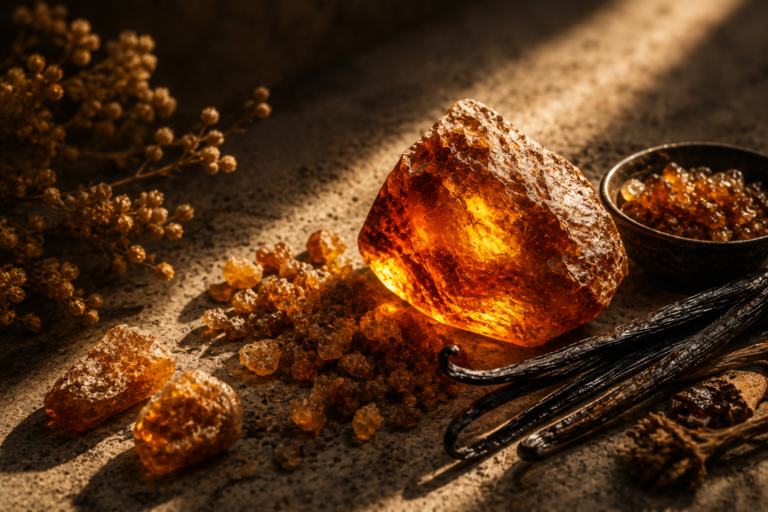
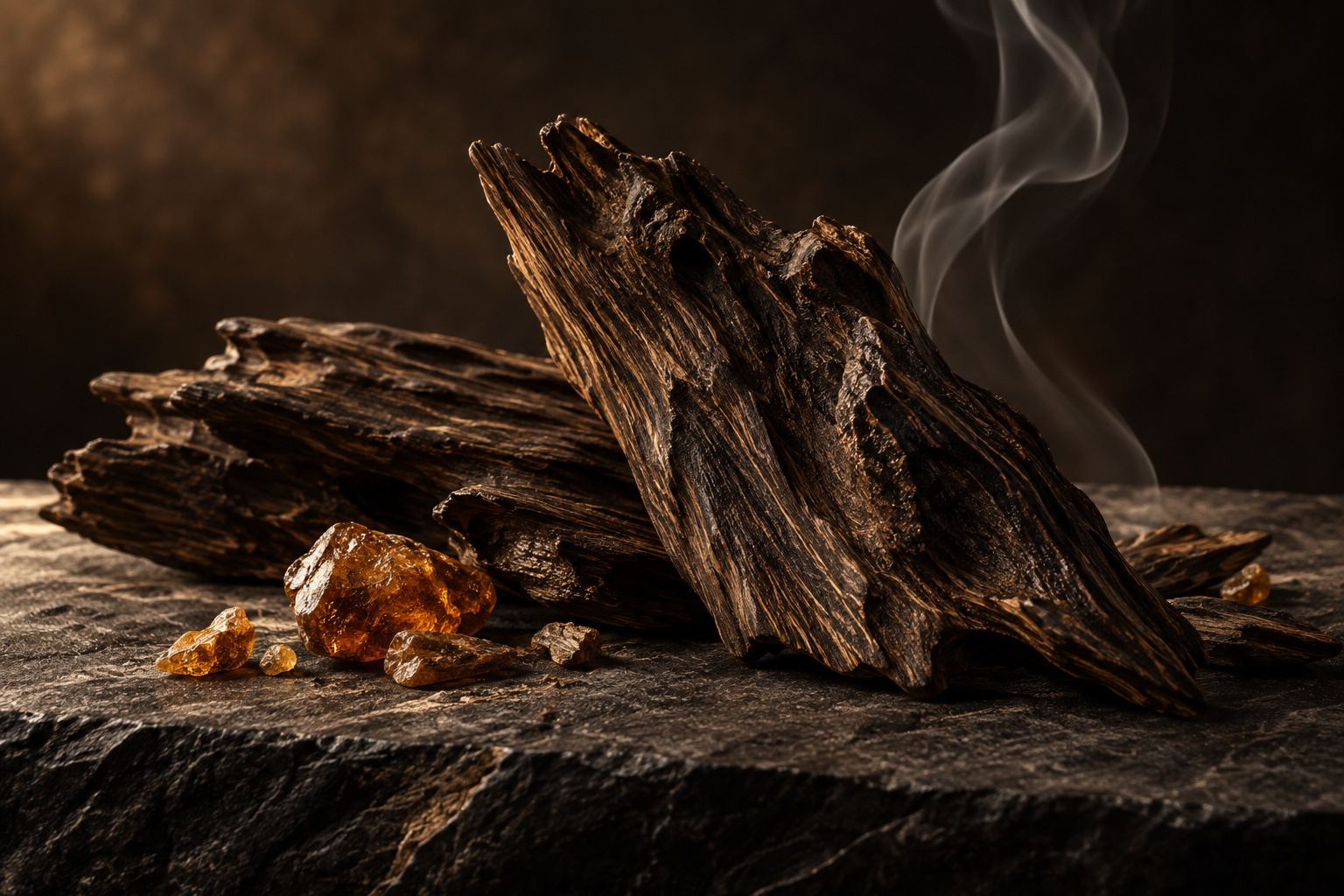
Agarwood is resin-rich wood associated chiefly with trees in the Aquilaria and Gyrinops genera. Healthy pale wood is not automatically fragrant oud. When a tree is wounded or otherwise stressed, its defence response can deposit aromatic resin in affected tissue; microbes can be part of that process, but the story is more complex than a single fungus making perfume on demand. The darkened, resin-bearing areas are the material prized for incense, carving and oil.
Resin does not spread through every tree in the same way, and the quality of a harvest cannot be read simply from the age or size of a trunk. Species, local conditions, the nature of the injury and time all influence what develops. Some agarwood is found in the wild; producers also cultivate trees and induce resin formation. Neither ‘wild’ nor ‘plantation’ is, by itself, a promise about smell, ethics or quality.
From Resinous Wood to Oud Oil
After harvesting, resinous pieces are sorted from less aromatic wood. They may be burned as chips, used in other traditional forms, or prepared for oil extraction. For an oud oil, producers generally reduce the wood to small pieces and distill it with water or steam; some methods include soaking beforehand. The volatile compounds travel with the vapor, which is condensed and separated. What remains in the vial is concentrated and extraordinarily variable.
The wood chosen, how it is sorted, whether it is soaked, the length and conditions of distillation and the treatment of the oil afterwards can all affect the result. An oil distilled from one batch is not a standardized flavor of ‘oud’. Nor is the smell of burning chips the same experience as smelling the oil neat or encountering it inside a finished fragrance. This is one reason note pyramids make poor substitutes for a nose.
What does oud in perfumery smell like?
Depending on the material and its treatment, oud may be dry and woody, smoky, leathery, earthy, balsamic, medicinal, sweet or distinctly animalic. Some oils have a cool, almost camphoraceous edge; others lean toward warm resin or damp wood. These are possibilities, not mandatory items on an oud checklist. The chemistry includes families such as sesquiterpenes and 2-(2-phenylethyl)chromones, but the useful lesson for a wearer is simpler: a shared botanical label does not guarantee a shared smell.
Context changes it again. Rose can draw out richness; saffron can add a dry spice; incense may amplify smoke. Musks, vanilla and pale woods can round the edges until the oud reads as texture more than a distinct voice. Saying ‘I dislike oud’ after one encounter is understandable, but rather like declaring that all wine tastes the same after one difficult glass.
Natural Oud and the Constructed Oud Accord
Natural oud oil comes from agarwood. An oud accord is a perfumer’s construction: a combination of materials chosen to evoke particular facets of oud. It might emphasize dark woods and smoke, or leather, sweetness and resin. An accord can be beautifully made, and a perfume can combine an accord with natural oil. ‘Synthetic oud’ is often used as shorthand, but there is no single molecule that equals the full odor of every oud oil.
This distinction is important when reading perfume descriptions. A note pyramid is an olfactory map, not an ingredient list. The word ‘oud’ in a name does not tell us whether the formula contains natural oil, how much it contains or where it came from. Conversely, a brand’s explicit statement that it uses an oud essence is a meaningful published claim, although it still does not disclose the complete formula. I will use each house’s language below and avoid turning a marketing description into laboratory evidence.
A constructed accord is not automatically a cheap imitation, just as natural material is not automatically the better artistic choice. An accord offers control and consistency, and it can put an oud-like shadow into a composition without importing the most challenging facets of a particular oil. For someone whose tolerance varies dramatically from perfume to perfume, that flexibility is a feature rather than a scandal.
A Long Cultural Life and a Newer Western Fashion
Agarwood had a life long before ‘oud’ became a prominent word in Western perfume advertising. Resinous wood has been valued across parts of Asia and the Middle East for incense, ritual and personal scent. The scented smoke of burning chips, the intimate use of oil and the practices surrounding them belong to different traditions; collapsing all of that into one vague image of ‘Eastern luxury’ does the material and its users a disservice.
In modern Western perfumery, oud became increasingly visible during the 2000s and 2010s, moving from a comparatively specialist reference into large niche collections and mainstream luxury releases. Houses found many ways to translate it for customers less accustomed to powerful resinous oils: paired with rose, brightened by spice, softened with amber and musk, or polished into a dark woody signature. The result is an enormous range of perfumes sold under one short word.
Sustainability Beyond the Label
High demand has put pressure on wild agarwood-producing trees. Aquilaria and Gyrinops species are listed in CITES Appendix II, which regulates international trade; Appendix II is not a blanket ban. The point is to control trade so it does not threaten survival. Rules and exemptions differ by product form, so a perfume buyer should be wary of any one-line claim that a CITES mention alone proves a bottle is either sustainable or unsustainable.
Cultivation and induced resin production can reduce reliance on wild harvest, but they do not settle every question. The source of planting stock, land use, harvesting, documentation and traceability still matter. Likewise, an oud accord may avoid demand for natural agarwood in that formula, yet its overall environmental impact cannot be inferred from that fact alone. The most useful questions for a brand are specific: what material is used, where it is sourced, and what can be substantiated about its supply chain?
Why Some Oud Perfumes Barely Smell Like Oud
Sometimes oud appears in the name but seems to disappear on skin. It may be present at a subtle level; the perfumer may have used an accord aimed at one gentle facet; or a louder rose, vanilla, musk or saffron effect may lead our attention elsewhere. Even a natural oil can be deliberately blended into the background. Without a formula, we cannot choose one explanation with confidence for a particular bottle.
That does not make the perfume fraudulent as an olfactory experience. It does mean the name is a poor guide to how much of the rough, animalic or medicinal character you will meet. For me, a softer oud is often the most wearable one. I can be curious about the raw material and still prefer that it not take over the room before I have sat down.
Five Fragrances that Make Room for Oud
These are five personal exceptions, each showing a different way to frame the note. The descriptions of materials and notes follow the brands’ published information; my comments about what makes them approachable are editorial interpretations, not new wear-test claims. My Oud Carbone impression came from Pitti, not a full day on skin.
Initio Oud for Greatness
Initio lists oud and agarwood oil with lavender, saffron, nutmeg, patchouli and musk. The aromatic brightness of lavender and the dry warmth of spice give the wood a structure I can follow. Oud for Greatness does not pretend to be shy: the house presents it as a bold composition, and I would never hand it to someone asking for an almost invisible first encounter with oud. But its framework helps me make sense of its intensity.
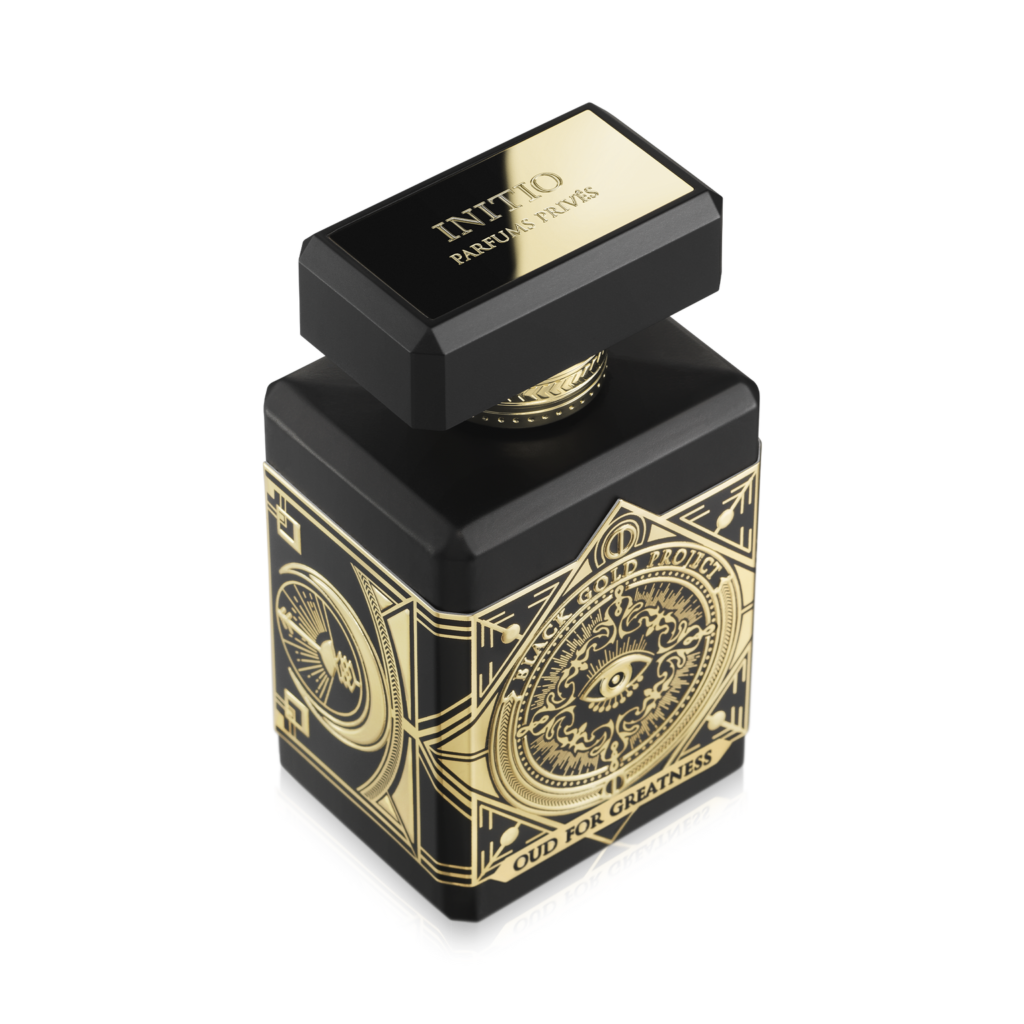
This is the option in my list for the person who wants a strong woody presence and appreciates spice around it. The published reference to agarwood oil is a specific brand claim; it should not be stretched into assumptions about concentration, origin or the rest of the formula. On a day when I want restraint, I would choose another of the five. On a day when I can meet the perfume halfway, the contrast between fresh lavender and dark wood explains its place here.
Atkinson Oud Save the Queen
Atkinsons takes a different route: an Earl Grey bergamot accord, jasmine and orange blossom lead toward guaiac wood and what the house explicitly calls an oud accord. Tea gives the composition a familiar point of entry before the darker base arrives. The florals open space around it, so the oud idea feels less like a wall and more like a lower register in a conversation.
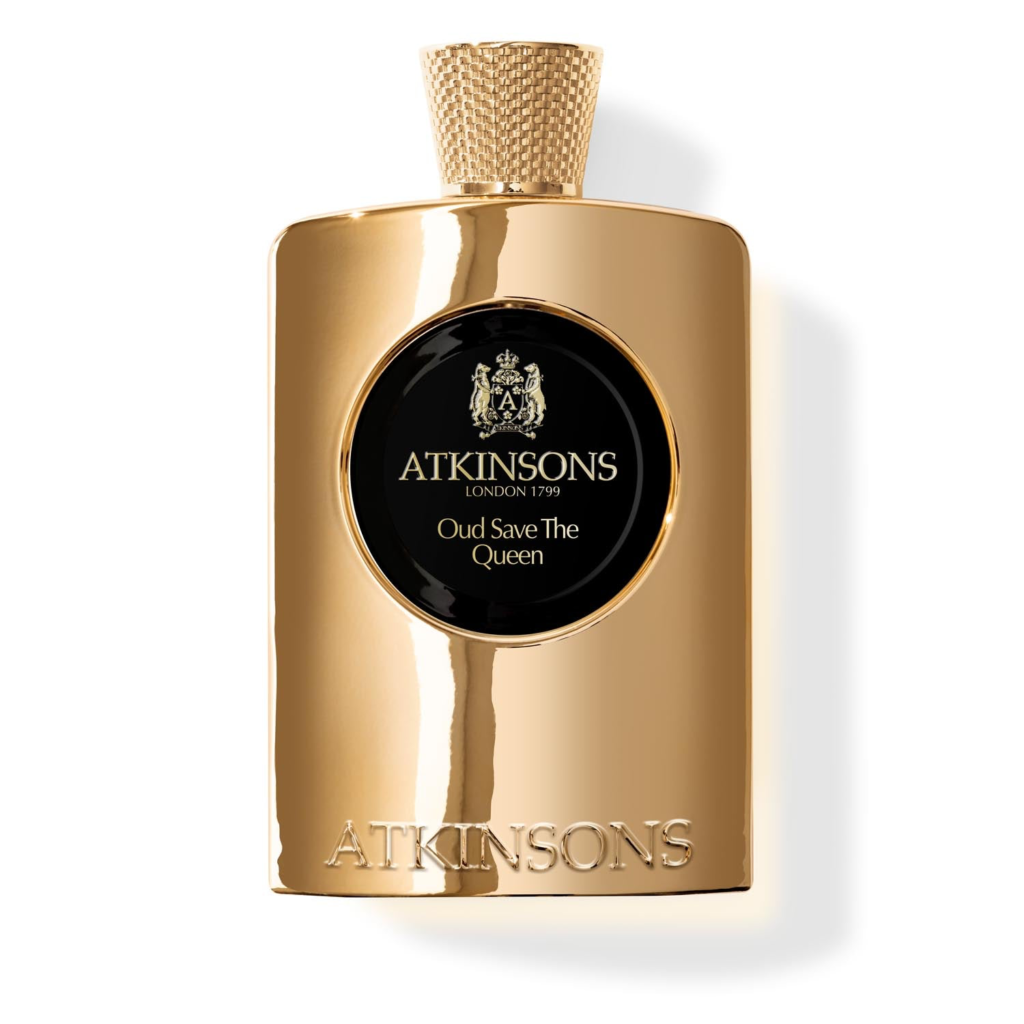
It is particularly useful in an article about oud because it makes the distinction between effect and raw material visible. I do not need to invent natural oud content to explain why I can wear it. If your usual territory is tea, citrus or floral perfume, this is a more intuitive bridge than beginning with a dense oil-centered composition. Its place on my list is about balance, not a purity contest.
Van Cleef & Arpels Oud Blanc
Oud Blanc looks toward the smoke of burning oud wood and places that image beside incense, white musk and creamy vanilla. Smoke is present as atmosphere, while musk and vanilla soften its outline. It demonstrates how a perfumer can borrow one facet of oud and let the rest of the scent change its temperature.
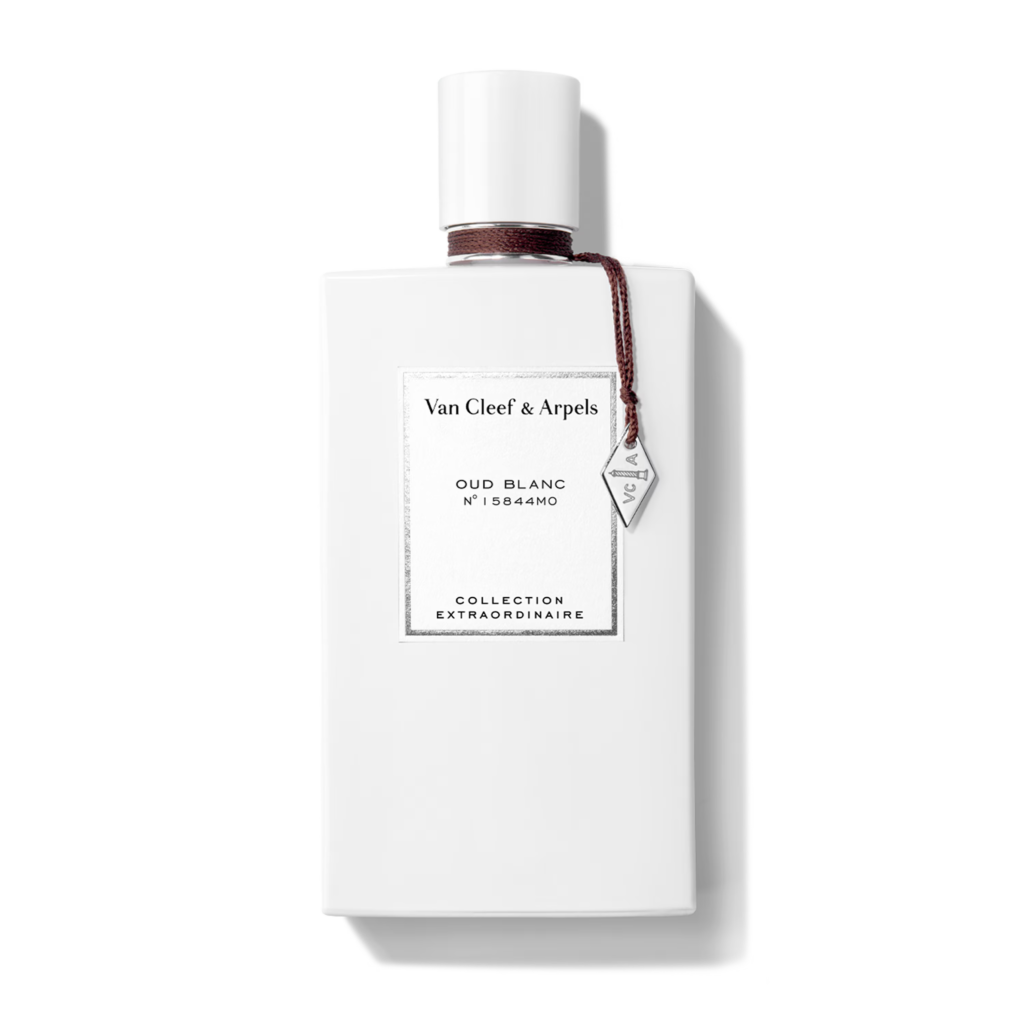
For my difficult relationship with oud, this kind of softness matters. I can enjoy the idea of fragrant smoke without feeling trapped inside it. The house’s description is an artistic account of the scent, not evidence from which I can identify every ingredient. Oud Blanc earns its place because it shows that an oud-themed perfume can feel airy and comforting while retaining a recognizable darker centre.
Élixir Privé Oud Carbone
Oud Carbone entered this list through my encounter with Élixir Privé at Pitti Fragranze, where I described it as a polished, sophisticated take on a note I often struggle to wear. That is the experience I can honestly report. The brand lists citrus at the top, rose and orange blossom in the heart, and a substantial base including tobacco, Laos oud essence, nagarmotha, patchouli, sandalwood, vetiver, cedar, amber and musk.
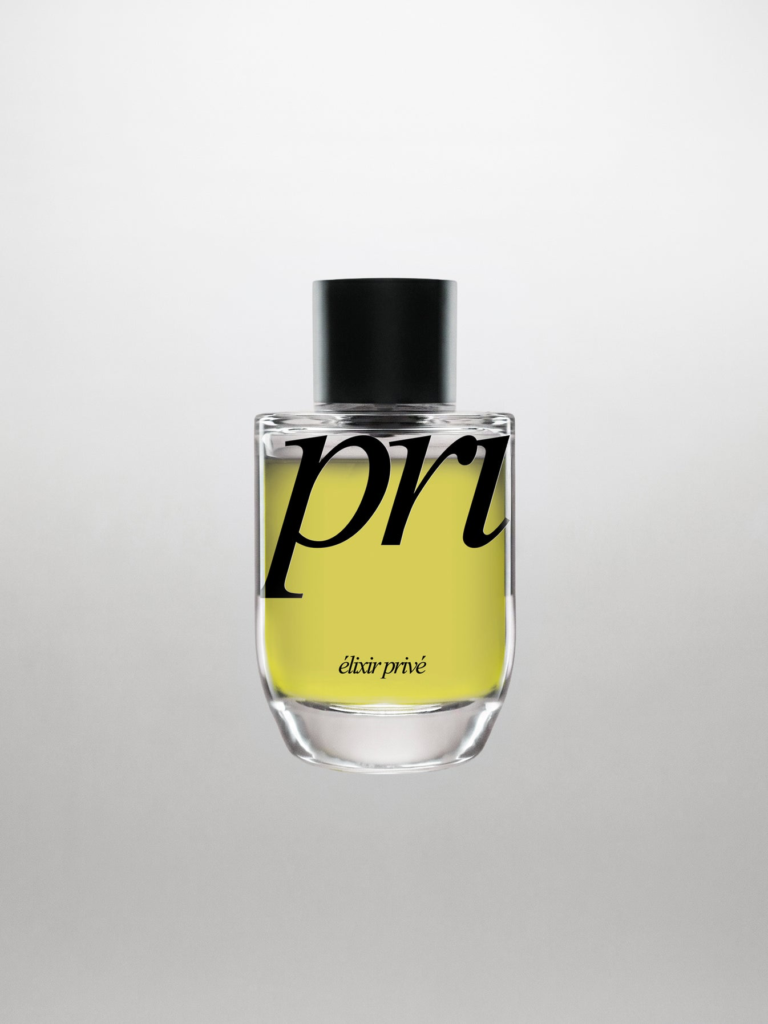
Those notes suggest why the composition has more to offer me than sheer darkness: the flowers and citrus can provide contrast, while the woods and tobacco give the base its depth. The brand specifically names Laos oud essence; I can report that claim without pretending to know its proportion or independently verifying the formula. Oud Carbone is not an exercise in minimalism. It is an example of density made legible, which is quite a different achievement.
Dior Sauvage Extrait
Dior places an essence of Vietnamese oud at the heart of Sauvage Extrait, describing a denser woody interpretation with leathery facets. The house also discusses patchouli, vetiver and cedarwood in its account of the composition. This is Sauvage Extrait, a distinct release from Sauvage Elixir; the similar family name is an easy way to end up discussing the wrong bottle.
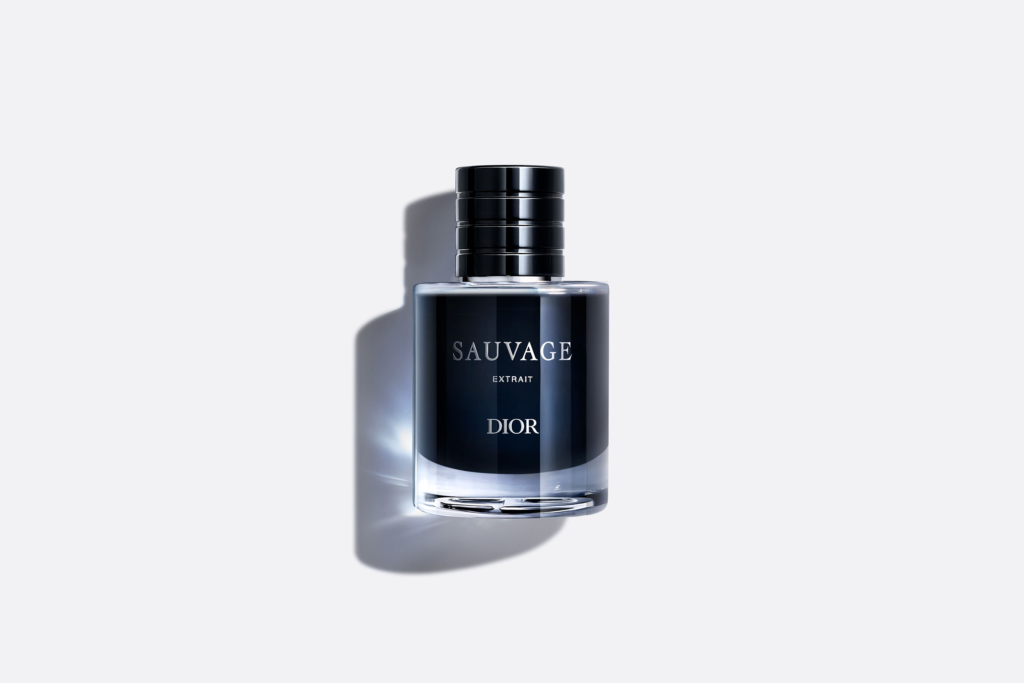
Its inclusion may surprise anyone who assumes an oud article must stay inside niche perfumery. That is precisely why it belongs here. It shows how an established fragrance identity can introduce oud within a familiar woody frame. Dior’s statement about Vietnamese oud is a brand claim, and I do not treat it as a license to infer exact sourcing details beyond what the house publishes. For me, the recognized Sauvage setting makes a potentially difficult note easier to approach.
Finding Your Way Into Oud
If oud is difficult for you too, begin with the setting you already like. A tea-and-flower composition, a musky vanilla interpretation and a spicy wood all provide different points of entry. Start with a small amount and give it time. A blotter can tell you whether a perfume deserves a skin test; only wearing it can tell you whether you want it with you for an afternoon. There is no prize for enduring the loudest example in the shop.
My relationship with oud has not ended in a dramatic conversion. I still hesitate when a bottle announces it in large letters. But these five perfumes remind me that a challenging note is not one fixed experience. Sometimes the right surrounding composition makes enough room for both the oud and me. That is a perfectly respectable truce.
| For more notes I admire, analyse and occasionally argue with, explore Perfume Notes. |