Perfume Concentrations Explained (As People You Probably Know)
An eau de toilette, an eau de parfum and an extrait walk into a party. One leaves early, one stays for dinner, and the third is still discussing family drama at 3 a.m.
Let’s talk about perfume concentrations.
Yes, those mysterious little labels printed on fragrance bottles that supposedly tell us everything we need to know about what’s inside.
Eau de Cologne. Eau de Toilette. Eau de Parfum. Extrait de Parfum.
They sound sophisticated, vaguely French and wonderfully expensive. But what do they actually mean?
And more importantly, why does an Eau de Toilette sometimes outlast an Extrait that costs three times as much?
To make things slightly more entertaining, we’re going to explain perfume concentrations by comparing them to people we all know.
Because, much like fragrances, some people make a dramatic entrance, others quietly steal your heart, and a few simply refuse to leave.
First, a Little Chemistry (Don’t Run Away)
A perfume’s concentration generally refers to the percentage of fragrance concentrate contained in the finished product.
That concentrate is a mixture of aromatic materials, which may be natural, synthetic or both. It’s usually diluted in alcohol, sometimes with water and other ingredients.
In theory, a higher concentration means more aromatic material.
In practice, things are considerably less straightforward.
There are no universally fixed international percentage requirements separating Eau de Cologne, Eau de Toilette, Eau de Parfum and Extrait de Parfum. Brands have considerable freedom in how they use these terms.
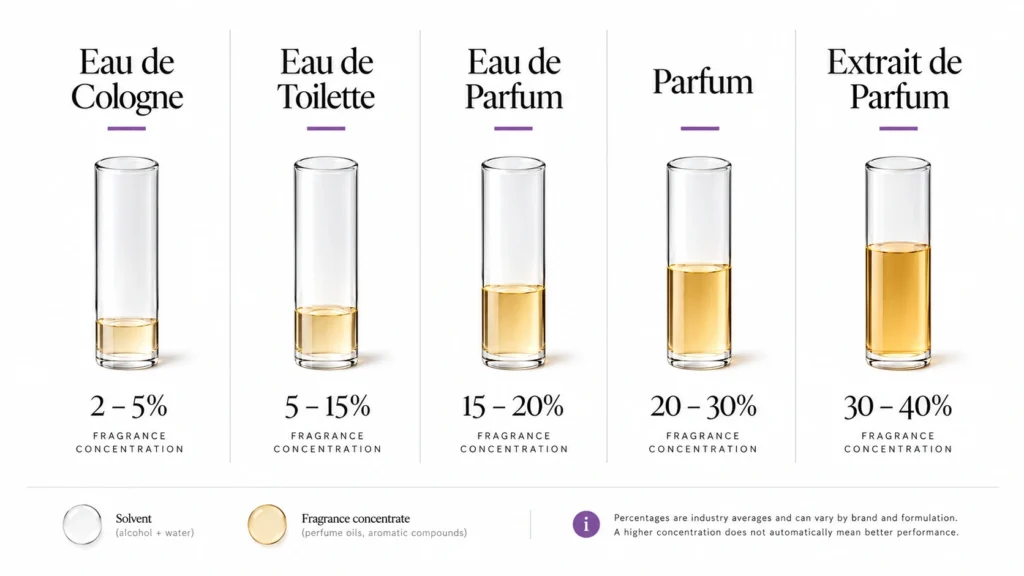
Here are some commonly used reference ranges:
| Concentration | Approximate fragrance concentrate |
| Eau Fraîche | 1–3% |
| Eau de Cologne | 3–8% |
| Eau de Toilette | 5–15% |
| Eau de Parfum | 10–20% |
| Parfum / Extrait de Parfum | 15–40% |
These percentages are indicative, not regulatory thresholds. The ranges overlap, and actual formulas vary between manufacturers. IFRA
Now that we’ve survived the science, let’s meet the family.
Eau Fraîche: The Friend Who Cancels Plans
Typical concentration: around 1–3%.
You know this person.
They’re delightful. Effortlessly charming. Always suggesting spontaneous adventures and fabulous weekends away.
Unfortunately, they’re also exceptionally good at disappearing.
Eau Fraîche is the fragrance equivalent of that friend who enthusiastically agrees to brunch, sends three heart emojis and then mysteriously develops a headache fifteen minutes before you’re supposed to meet.
And yet, somehow, you still adore them.
Generally light and refreshing, Eau Fraîche compositions often emphasize sparkling citrus, aquatic accords or delicate aromatic notes.
They’re particularly enjoyable when the weather becomes unbearable and the thought of wearing something heavy feels like a personal attack.
The personality: Cheerful, refreshing, commitment-phobic.
The relationship status: It’s complicated. Mostly because they’re never around.
But don’t mistake their typically fleeting nature for a lack of charm. Sometimes a beautiful moment is enough.
Not every fragrance needs to sign a twelve-hour contract.
Eau de Cologne: The Charming Grandfather With Excellent Taste
Typical concentration: around 3–8%.
Picture an impeccably dressed grandfather.
Linen shirt. Beautiful shoes. A perfectly ironed handkerchief that has probably never encountered an actual nose.
He smells wonderful, knows precisely which restaurant serves the best lunch and has absolutely no interest in modern nonsense.
That’s Eau de Cologne.
Traditionally associated with bright citrus, herbs and aromatic ingredients, this style of perfumery is practically an institution.
Bergamot, lemon, neroli, lavender and rosemary are familiar characters in the classic cologne universe.
And contrary to what some people believe, Eau de Cologne isn’t exclusively masculine.
That association owes plenty to marketing and cultural habits.
A traditional cologne can be worn by absolutely anyone who enjoys smelling fresh and elegant.
The personality: Sophisticated, effortlessly charming, slightly old-fashioned.
The relationship status: Married for fifty years. Still brings flowers home.
An Eau de Cologne may not always accompany you from breakfast until midnight, but longevity isn’t necessarily the point.
Sometimes elegance is about knowing when to leave.
Preferably before someone starts discussing politics at the dinner table.
Eau de Toilette: The Fun Friend Everyone Invites
Typical concentration: around 5–15%.
Every friendship group has one.
The person who arrives at dinner with a bottle of wine, compliments everyone’s outfit, somehow knows the bartender and immediately improves the atmosphere.
Not particularly dramatic.
Not desperately trying to impress.
Just incredibly enjoyable company.
Eau de Toilette is that friend.
Often perceived as lighter or more transparent than an Eau de Parfum, an EDT can emphasize sparkling openings, aromatic freshness or a more airy interpretation of a composition.
It’s frequently associated with daytime wear, although there’s absolutely no reason to restrict it to office hours.
And here’s something worth remembering.
An Eau de Toilette isn’t necessarily a diluted Eau de Parfum.
Brands sometimes modify the actual formula between concentrations, changing ingredients, proportions and even the overall character of the fragrance.
One version might emphasize freshness, while another develops a warmer, richer personality.
They’re relatives, not necessarily identical twins.
Same Name, Different Personality
Dior Sauvage offers a perfect example of why concentration isn’t the whole story.
The Eau de Toilette emphasizes sparkling Calabrian bergamot, spicy Sichuan pepper and ambery, marine woods. The Eau de Parfum takes a different direction, pairing bergamot with warm Papua New Guinean vanilla and woody patchouli.
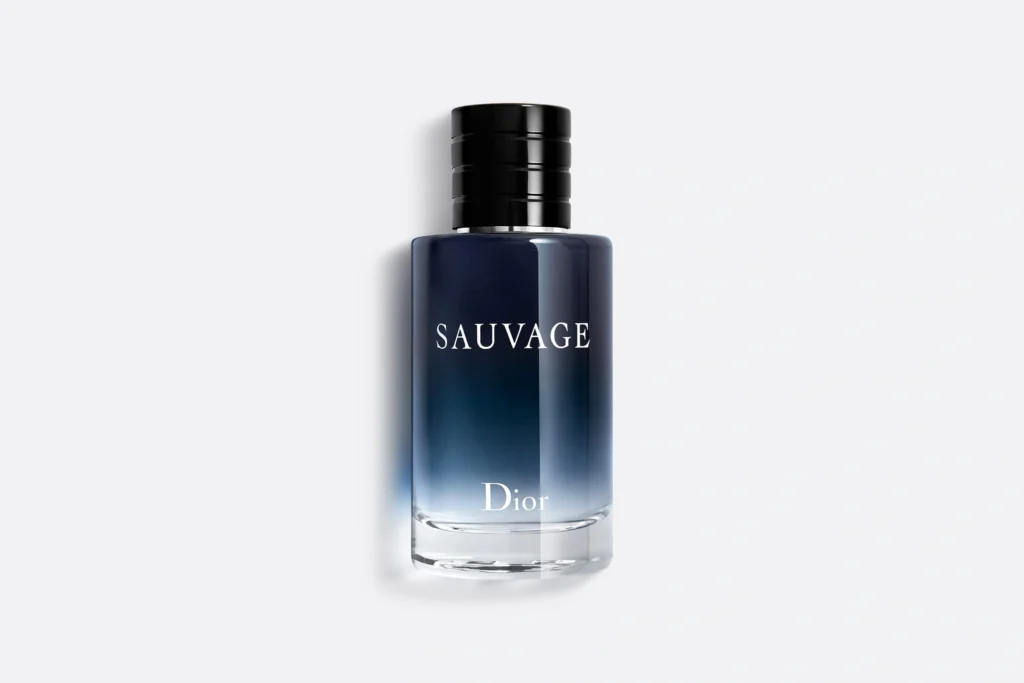
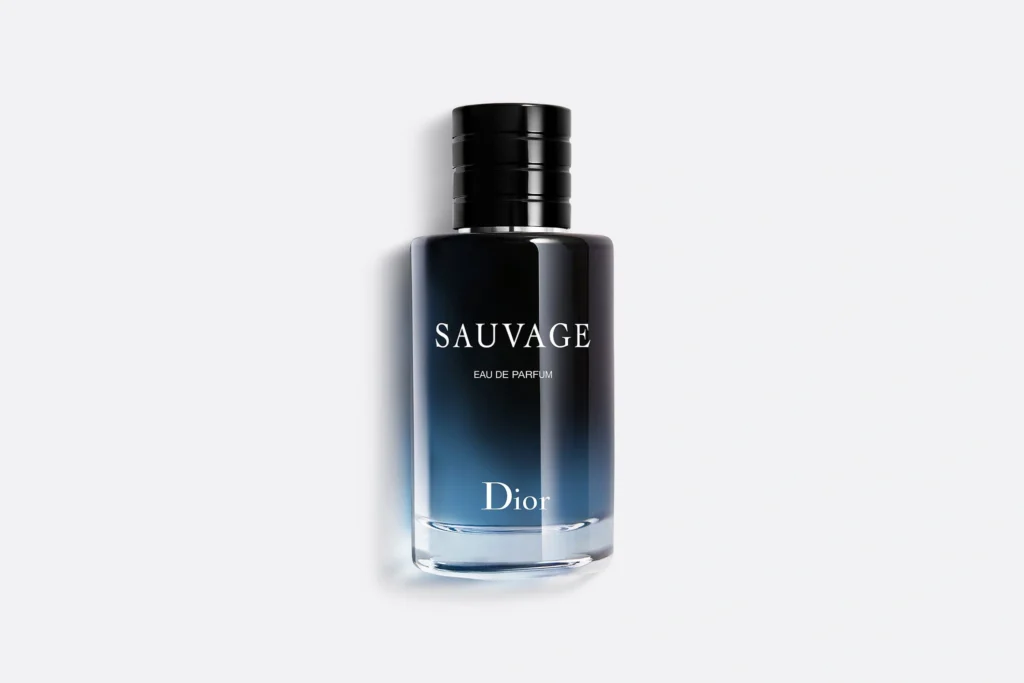
| And if you think Dior enjoys reinventing its fragrances, take a look at the Dior Esprits de Parfum collection, where familiar compositions receive entirely new interpretations. |
Same fragrance family, different olfactory interpretations.
So no, an Eau de Parfum isn’t necessarily an Eau de Toilette with the volume turned up. Sometimes, the perfumer has changed the music altogether.
The personality: Sociable, easygoing, universally appreciated.
The relationship status: Everyone’s favorite ex. No hard feelings.
And before anyone starts dismissing EDTs as inferior, remember that some exceptionally beautiful fragrances have been created in this concentration.
More concentrate doesn’t automatically mean more beauty.
Eau de Parfum: The Friend Who Has Everything Under Control
Typical concentration: around 10–20%.
This person has a skincare routine, a color-coded calendar and a favorite restaurant where the staff know their name.
Their apartment smells incredible.
Their wardrobe is organized by season.
They’ve probably already bought their Christmas presents in September.
Frankly, they’re exhausting.
But you love them.
Eau de Parfum often occupies a comfortable middle ground between lighter fragrance styles and more concentrated perfume extracts.
Depending on its composition, an EDP may offer greater richness, depth or persistence than an EDT.
It’s also an enormously popular format in contemporary perfumery.
And for good reason.
An Eau de Parfum can be versatile, expressive and beautifully balanced.
However, it doesn’t automatically follow that every EDP will outperform every EDT.
Some are delicate.
Some are spectacularly loud.
Some disappear from your skin while you’re still deciding whether you like them.
Perfume chemistry has a wonderful habit of ignoring our expectations.
The personality: Reliable, polished, occasionally controlling.
The relationship status: Long-term commitment. Shared mortgage. Matching luggage.
An excellent EDP can be everything you need.
Unless, naturally, you collect perfume.
Then you probably need another seventeen bottles.
For research purposes.
Extrait de Parfum: The Dramatic Aunt Who Refuses to Leave
Typical concentration: around 15–40%.
She’s wearing jewellery that could finance a small country.
Her handbag costs more than your monthly rent.
She arrives two hours late, carrying a mysterious gift wrapped in gold paper.
Within twenty minutes, she’s criticized the curtains, complimented your complexion and revealed a family secret nobody asked to hear.
Welcome to Extrait de Parfum.
Also called Parfum or perfume extract, this category generally represents one of the highest fragrance concentrations available.
Extraits can emphasize richness, texture and depth.
But here’s where our dramatic aunt becomes particularly interesting.
Despite their concentration, extraits aren’t necessarily louder than Eau de Parfums.
Some remain relatively close to the skin, creating an intimate scent experience rather than filling an entire room.
Others make their presence known from approximately three postal codes away.
Much depends on the materials, the composition and how the fragrance behaves on your skin.
An extrait may have a wonderful ability to linger.
Or it might not.
That expensive label isn’t a legally binding promise of eternal devotion.
The personality: Wealthy, theatrical, gloriously excessive.
The relationship status: Divorced twice. Currently dating someone twenty years younger.
And would we change her?
Absolutely not.
She’s fabulous.
Although occasionally we’d appreciate it if she left before midnight.
And What About Elixir, Intense, Absolu and Extreme?
Meet the cousin who changes their Instagram biography every week.
One month they’re a wellness expert.
The next they’re studying astrology.
By Christmas, they’ve become a luxury lifestyle consultant.
Nobody knows exactly what they do, but their branding is spectacular.
Welcome to the wonderful world of fragrance marketing.
Elixir, Intense, Extreme, Absolu and similar names aren’t universally standardized concentration categories.
They may describe a more concentrated fragrance, but they can also indicate a different interpretation of an existing perfume.
An Intense version might emphasize sweetness.
An Elixir might introduce additional woods or spices.
An Absolu might explore deeper, warmer facets.
Or the formula might simply be very different from the original.
There is no universal rule requiring these names to correspond to a particular percentage of fragrance concentrate.
The personality: Reinvents themselves every six months.
The relationship status: Currently manifesting something.
The only sensible approach is to judge each fragrance individually.
Preferably with your nose rather than the advertising campaign.
Plot Twist: Higher Concentration Doesn’t Always Mean Better Performance
Here’s where things become interesting.
We’ve been conditioned to believe that perfume concentrations follow a perfectly logical hierarchy.
Eau de Cologne is weak.
Eau de Toilette is acceptable.
Eau de Parfum is better.
Extrait de Parfum is practically immortal.
Unfortunately, fragrance doesn’t work like a video game where every concentration unlocks a new level of power.
Several factors influence how a perfume performs.
The ingredients matter.
Highly volatile materials evaporate relatively quickly, while less volatile materials may remain noticeable for considerably longer.
The formula matters.
Increasing the concentration doesn’t automatically produce a proportional increase in projection or longevity.
The skin matters.
The same fragrance can behave differently depending on the wearer, application conditions and environment.
The way we perceive scent matters.
Repeated exposure can lead to olfactory adaptation, making a fragrance seem less noticeable even when it hasn’t completely disappeared.
And perhaps most importantly, projection and longevity aren’t the same thing.
A fragrance can remain detectable close to the skin for hours without producing an enormous scent trail.
These differences help explain why concentration alone is an unreliable predictor of performance.

So no, purchasing an Extrait doesn’t automatically guarantee that people will smell you before you enter the building.
And frankly, some of your colleagues might be grateful.
So, Which Perfume Concentration Should You Choose?
The one you enjoy wearing.
I realize that’s a terribly unsatisfying answer when the fragrance industry has spent decades creating increasingly elaborate concentration categories.
But it’s true.
If you love citrus fragrances that feel like an Italian summer morning, a beautiful Eau de Cologne might bring you more pleasure than the richest Extrait imaginable.
If you prefer something intimate, an Extrait that stays close to your skin might be ideal.
If an Eau de Toilette has the most beautiful opening you’ve ever smelled, why dismiss it simply because an Eau de Parfum exists?
And if you fall in love with an Elixir, enjoy it.
Just don’t assume that its dramatic name automatically makes it superior.
Perfume should be about pleasure, not a competition to see whose fragrance survives the longest.
Personally, I’ve never understood the obsession with demanding twelve hours of performance from absolutely everything.
Sometimes I want a perfume to stay with me all day.
Other times, I’m perfectly happy to enjoy something beautiful for a few hours and then wear something else.
Apparently, some people find this scandalous.
Imagine owning perfumes and actually wanting to use several of them.
Outrageous behavior.
Final Thoughts: Choose Your Favorite Personality
So, let’s recap our wonderfully dysfunctional fragrance family.
Eau Fraîche is the friend who disappears.
Eau de Cologne is the charming grandfather.
Eau de Toilette is the life of the party.
Eau de Parfum is the responsible friend with matching luggage.
Extrait de Parfum is the dramatic aunt wearing diamonds at breakfast.
And Elixir?
Elixir is still trying to explain its latest personality transformation.
They’re all different.
They all have something to offer.
And none deserves to be dismissed because of a percentage printed on a chart.
The next time someone insists that an Eau de Parfum must be better than an Eau de Toilette, remember that perfume isn’t a mathematical equation.
It’s an experience.
And sometimes the most unforgettable person at the party isn’t the loudest one.
It’s the one who makes you wish they’d stayed a little longer.
| Editor’s Note The concentration percentages mentioned in this article are approximate industry conventions, not universally enforced standards. Fragrance performance varies according to the formula, materials and individual wearing conditions. For further reading: IFRA | Using the Standards and The Perfume Society | Scent Strength Guide. |