What Is a Chypre Fragrance? The Art of Perfumery’s Most Elegant Contradiction
Fresh yet earthy, sophisticated yet surprisingly rebellious. Chypre fragrances have been playing with contrasts for over a century, and they’re far more interesting than their mysterious name might suggest.
The Fragrance Family That Refuses to Be Simple
If you’ve spent enough time exploring the wonderful, occasionally confusing world of perfumery, you’ve probably encountered the word chypre. Perhaps in a fragrance description, on a perfume website, or somewhere between a list of notes and an enthusiastic declaration that a particular creation is a modern interpretation of this historic olfactory family.
And perhaps, like many people, you’ve wondered what on earth it actually means.
Is chypre an ingredient? A particular flower? Some exotic material that perfumers use to make their creations smell sophisticated? Not quite. In fact, chypre is an entire fragrance family, defined by a distinctive structure built around contrasting aromatic elements.
It’s also one of the most fascinating chapters in the history of modern perfumery. Chypre fragrances can be fresh, floral, fruity, green, leathery or wonderfully mysterious, yet the traditional compositions share a certain tension between brightness and depth.
Think of a sparkling citrus opening gradually revealing something earthy, mossy and quietly sensual underneath. A fragrance that begins with sunlight and slowly wanders into the woods.
That, in essence, is the beauty of chypre.
Although, as we’ll discover, perfumers have spent more than a century making the definition considerably more complicated. Apparently, even perfume families aren’t allowed to have a simple life.
What Is a Chypre Fragrance, Exactly?
First, let’s deal with the name, because it’s responsible for a surprising amount of confusion.
Chypre is the French word for Cyprus, the Mediterranean island historically associated with aromatic plants, resins and the production of scented preparations. The name is pronounced approximately sheep-ruh, which is useful information if you’d rather not improvise something completely different during your next visit to a perfume boutique.
The connection between Cyprus and perfumery goes back centuries. Aromatic materials associated with the Mediterranean landscape were already being used in ancient scented preparations, while the term chypre appeared in fragrance-related contexts long before modern perfume classifications existed.
However, the creation that transformed the name into one of perfumery’s most important olfactory families arrived in the early twentieth century.
And for that, we have François Coty to thank.
François Coty and the Birth of Modern Chypre
In 1917, French perfumer François Coty launched a fragrance simply called Chypre.
It wasn’t the first perfume ever associated with the name, nor did Coty invent every aromatic material involved in its construction. What he accomplished was something arguably more influential: he popularized a particular combination of ingredients so successfully that it became the foundation of an entire fragrance family.
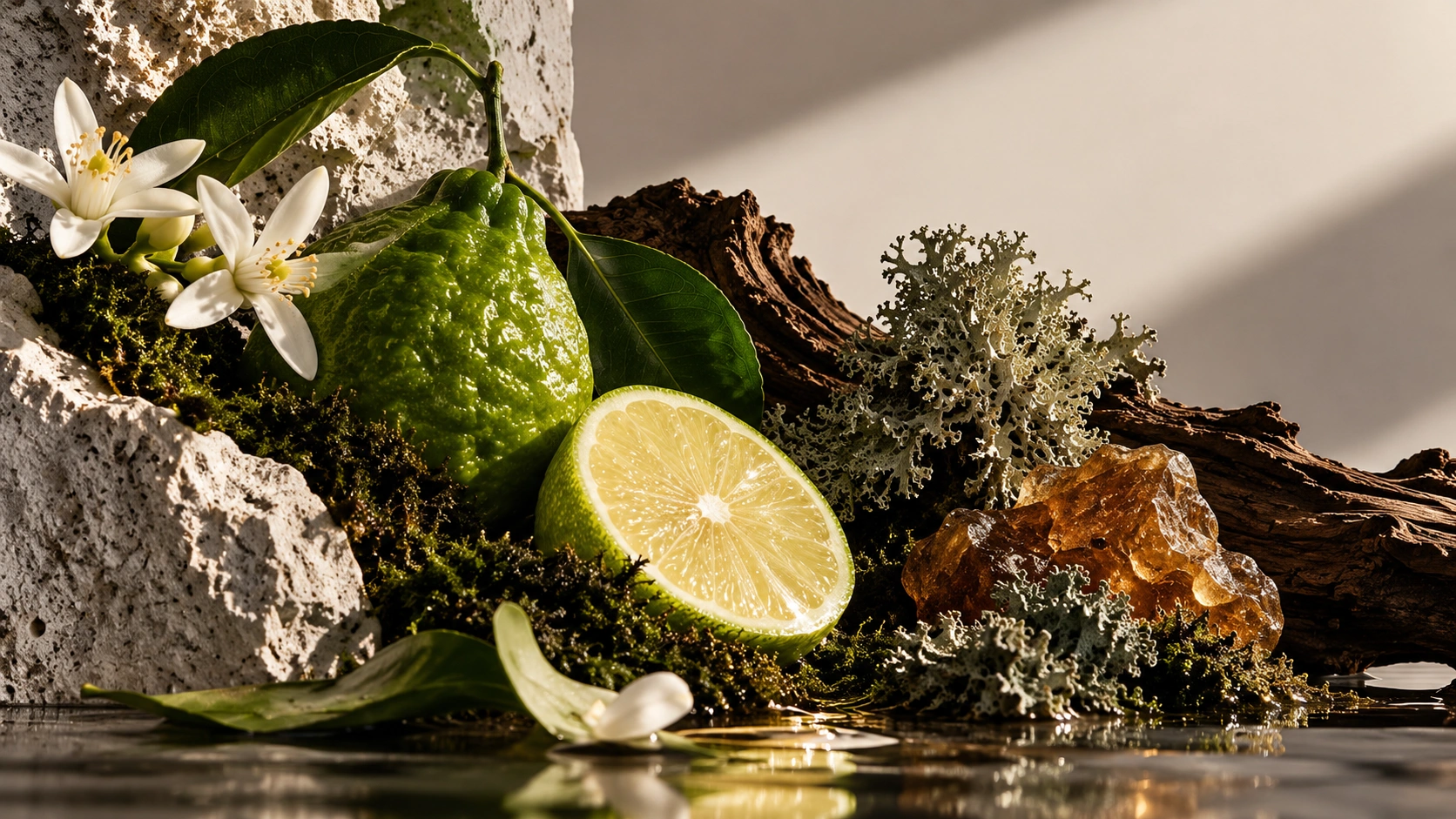
His composition brought together the sparkling freshness of bergamot with the darker, earthier character of oakmoss, patchouli and labdanum.
The contrast was striking. Instead of relying exclusively on floral sweetness or the refreshing simplicity of traditional colognes, Chypre introduced a more complex olfactory architecture, one that balanced brightness with depth and softness with a distinctive dry character.
It became enormously influential, inspiring generations of perfumers and helping establish a style that would remain important throughout the twentieth century.
Today, the original Coty Chypre is primarily a historical reference rather than something you’ll casually discover on a department-store shelf. Its legacy, however, is everywhere.
And that’s where things become particularly interesting.
The Classic Chypre Accord: Four Ingredients, Endless Possibilities
To understand what makes a fragrance a chypre, we need to look at its traditional structure.
The classic chypre accord is usually associated with four principal materials: bergamot, oakmoss, patchouli and labdanum. They don’t necessarily appear in equal proportions, and different perfumers interpret their roles differently, but together they help create the characteristic balance of freshness, warmth and earthy depth.
Bergamot: The Bright Opening
Bergamot provides the fresh, citrusy introduction that gives many traditional chypres their initial sparkle.
Its aromatic character is more complex than simple lemon-like freshness. Bergamot can feel elegant, slightly bitter, green and delicately floral, making it particularly effective at creating contrast with richer base materials.
In a classic chypre, it often acts like a curtain opening before the darker elements of the composition begin to emerge.
Oakmoss: The Mysterious Foundation
If there’s one ingredient historically associated with chypre perfumery, it’s oakmoss.
Despite its name, oakmoss isn’t a conventional moss but a lichen, botanically known as Evernia prunastri, which grows on trees.
Its aromatic character is wonderfully distinctive: earthy, damp, woody, slightly bitter and sometimes leathery. It can evoke forest floors, shaded vegetation and the smell of nature after rain.
Oakmoss provides much of the traditional chypre accord’s characteristic depth and dry, mossy quality. It’s also one of the reasons vintage chypres can smell noticeably different from many contemporary interpretations.
We’ll come back to that particular issue shortly.
Patchouli: Earthiness and Structure
Patchouli introduces another layer of complexity.
Depending on its quality, treatment and concentration, it can smell earthy, woody, dark, camphoraceous or even surprisingly clean and refined.
Within a chypre composition, patchouli reinforces the earthy foundation while helping connect the brighter opening with the deeper base notes.
And no, patchouli doesn’t automatically mean a fragrance will smell like a particularly enthusiastic seventies music festival. Perfumers have become rather skilled at giving this material considerably more sophisticated roles.
Labdanum: Warmth and Resinous Depth
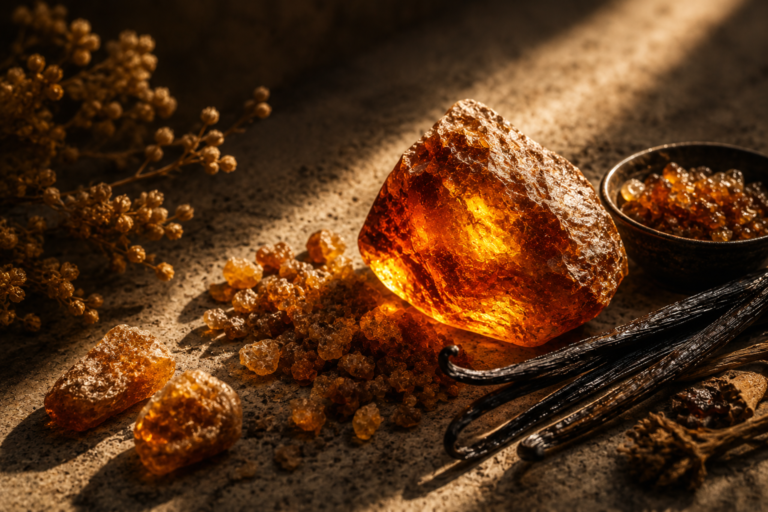
Labdanum is an aromatic resin obtained from plants of the Cistus genus.
Its scent can be warm, ambery, leathery, balsamic and slightly sweet, providing richness and a sense of depth to the composition.
In a traditional chypre, labdanum works alongside the mossy and earthy materials, creating a foundation that feels textured rather than simply heavy.
When these elements are combined successfully, the result isn’t just a collection of individual notes. It’s a carefully balanced structure in which opposing sensations complement one another.
And that’s the real secret of the chypre family.
So, What Does a Chypre Perfume Smell Like?
Here’s where things become slightly less straightforward.
If you’re expecting every chypre fragrance to smell similar, I have some disappointing news. Perfumery doesn’t enjoy making anything that convenient.
A traditional chypre often opens with freshness before developing a drier, earthier and more substantial character. There may be floral notes, fruity accents, spices, woods or leather, but the contrast between a relatively bright opening and a deeper foundation remains central to the style.
Some chypres feel elegant and restrained. Others can be dramatic, intensely mossy or surprisingly sensual. A fruity chypre might introduce luscious peach or plum, while a green interpretation could emphasize leaves, herbs and bitter vegetal facets.
It’s also worth remembering that a fragrance’s official note pyramid isn’t its complete formula. Two perfumes may list similar notes yet smell entirely different because of the materials used, their proportions and the way the composition has been constructed.
For that reason, identifying a chypre isn’t simply a matter of checking whether bergamot and patchouli appear in the description.
It’s about understanding the overall olfactory effect.
And, whenever possible, actually smelling the fragrance.
A revolutionary concept, I know.
The Different Types of Chypre Fragrances
One of the reasons chypres have remained relevant for so long is their versatility.
Over the decades, perfumers have explored countless variations on the traditional structure, creating different styles within the broader family. These classifications aren’t always rigid, and a fragrance can easily combine characteristics from several categories.
Still, understanding the main variations makes navigating the chypre universe considerably easier.
Floral Chypre
Floral chypres introduce flowers such as rose, jasmine or other floral accords into the traditional structure.
The result can balance floral softness with the earthy, mossy foundation typical of the family. Some compositions feel romantic and elegant, while others reveal a considerably more assertive personality.
The important distinction is that the floral elements don’t necessarily dominate the fragrance. Instead, they interact with the chypre structure, creating a more complex interpretation of familiar floral notes.
Fruity Chypre
Fruity chypres introduce ingredients or accords that suggest peach, plum, berries and other fruits.
These elements can provide sweetness, juiciness or an almost velvety texture, contrasting with the drier foundation underneath.
Guerlain Mitsouko is one of the most celebrated historical examples, demonstrating how a fruity character can coexist with a sophisticated, mossy structure without turning the entire composition into a fruit salad.
Thankfully.
Green Chypre
Green chypres emphasise vegetal, leafy, herbal or bitter facets.
Depending on the composition, they can evoke crushed leaves, freshly cut stems, aromatic plants or the crisp sensation of greenery.
Some feel sharp and invigorating, while others combine their green character with a more earthy, subdued foundation.
It’s an especially interesting variation because it can highlight the relationship between the fresh opening and the deeper, naturalistic qualities of the traditional chypre accord.
And it’s precisely this category that brings us to one of Prada’s intriguing Olfactories creations.
More on that in a moment.
Leather Chypre
Leather chypres introduce leather or suede-like accords into the composition.
The result can range from refined and understated to dark, smoky or intensely animalic, depending on the materials involved.
Leather works particularly well with the earthy and resinous elements traditionally associated with chypres, creating fragrances that often feel textured, substantial and full of personality.
Woody Chypre
Woody chypres place greater emphasis on woods and related materials.
The earthy character of patchouli may be supported by cedarwood, sandalwood, vetiver or other woody elements, producing a composition that feels particularly structured.
Some interpretations lean towards dry elegance, while others become warmer and more enveloping.
And naturally, the boundaries between these categories are flexible. A fragrance can be simultaneously woody, floral and chypre without causing any major constitutional crisis in the perfume industry.
| Curious about other fragrance families? Chypres aren’t the only ones with a fascinating history. Discover the world of fougère fragrances, where aromatic freshness meets an entirely different olfactory tradition. |
Why Do Modern Chypres Smell Different?
If you’ve ever compared a vintage chypre fragrance with its contemporary version, you may have noticed that something feels different.
Sometimes the contrast is subtle. Other times, it can be surprisingly significant.
One important reason involves oakmoss.
For decades, natural oakmoss extracts played a fundamental role in traditional chypre compositions. However, certain substances naturally present in these extracts, particularly atranol and chloroatranol, have been identified as significant skin sensitizers.
As a result, the use of oakmoss extracts in perfumery has become subject to strict restrictions and quality specifications.
The International Fragrance Association, or IFRA, establishes standards concerning the use of fragrance materials, including limits and specifications relating to oakmoss extracts.
This doesn’t mean that oakmoss has simply disappeared from perfumery. Compliant extracts can still be used within the applicable restrictions, while perfumers may also employ other materials and reconstructed accords to achieve mossy effects.
Modern chypres have consequently evolved.
Some retain a recognizably classical structure, while others reinterpret the family through cleaner woods, different mossy materials, softer textures or unconventional combinations.
Of course, ingredient restrictions aren’t the only reason perfumes change. Reformulations can also reflect evolving tastes, commercial decisions, ingredient availability and creative choices.
It’s tempting to assume that every older formula was automatically better, but that would be a rather simplistic way of looking at perfume history.
Vintage compositions can be fascinating, and certain materials or proportions may give them a character that’s difficult to reproduce. At the same time, contemporary perfumery has introduced new possibilities that earlier generations of perfumers couldn’t necessarily explore.
Chypre hasn’t disappeared.
It has simply learned a few new tricks.
Four Chypre Perfumes Worth Knowing
The easiest way to appreciate the diversity of this fragrance family is to explore some of its most important interpretations.
These four perfumes represent different moments in chypre history, from early twentieth-century compositions to contemporary creations.
They’re historical and stylistic references, rather than a ranking of personal favorites or a claim that I’ve tested every version.
Guerlain Mitsouko (1919)
Created by Jacques Guerlain in 1919, Mitsouko remains one of the most influential chypre fragrances in perfumery history.
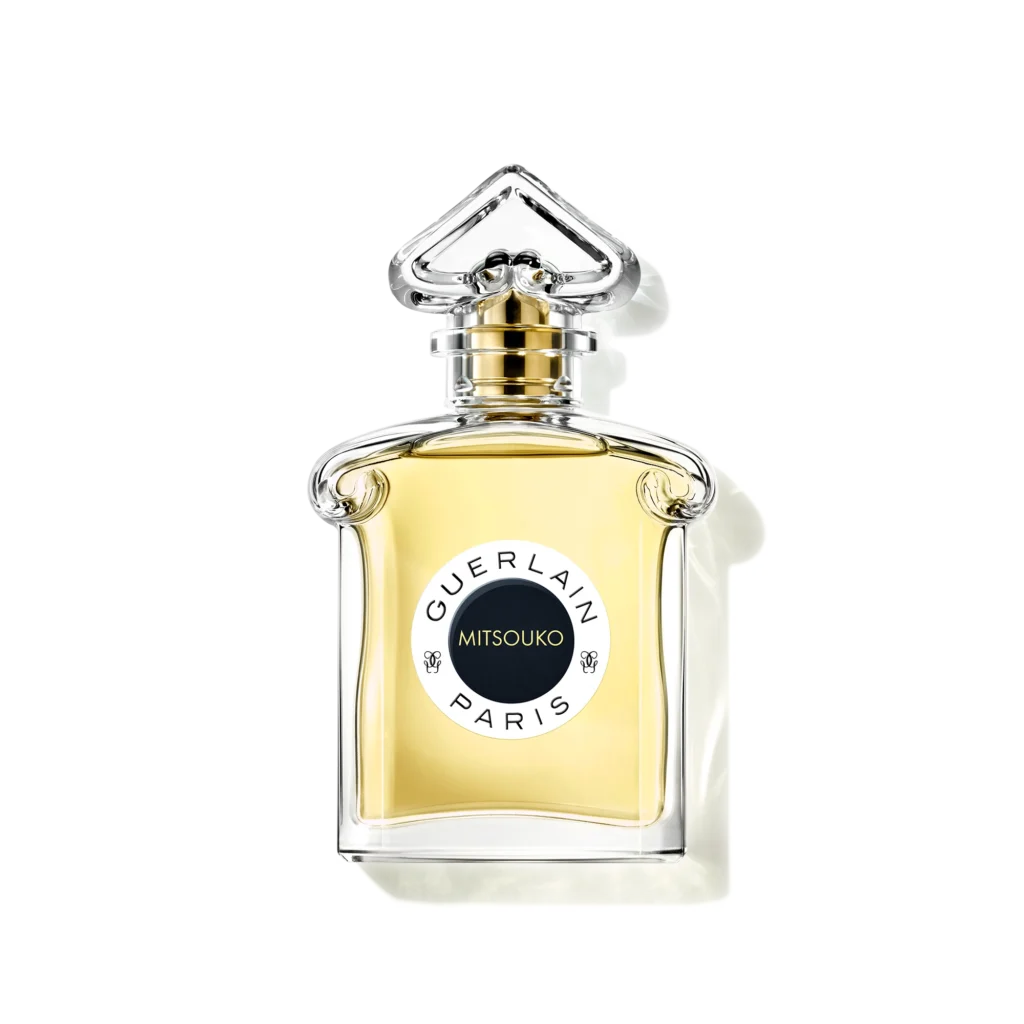
Its composition is particularly celebrated for the relationship between fruity peach nuances, floral elements and a deeper, mossy foundation.
The contrast creates a style that feels simultaneously refined, mysterious and surprisingly complex.
Mitsouko is an essential reference when discussing fruity chypres, demonstrating how sweetness and depth can coexist without sacrificing sophistication.
More than a century after its introduction, it remains part of Guerlain‘s Les Légendaires collection, although today’s version shouldn’t automatically be considered identical to the original 1919 formula.
Rochas Femme (1944)
Originally created by Edmond Roudnitska, Femme de Rochas is another important chapter in the evolution of the chypre family.
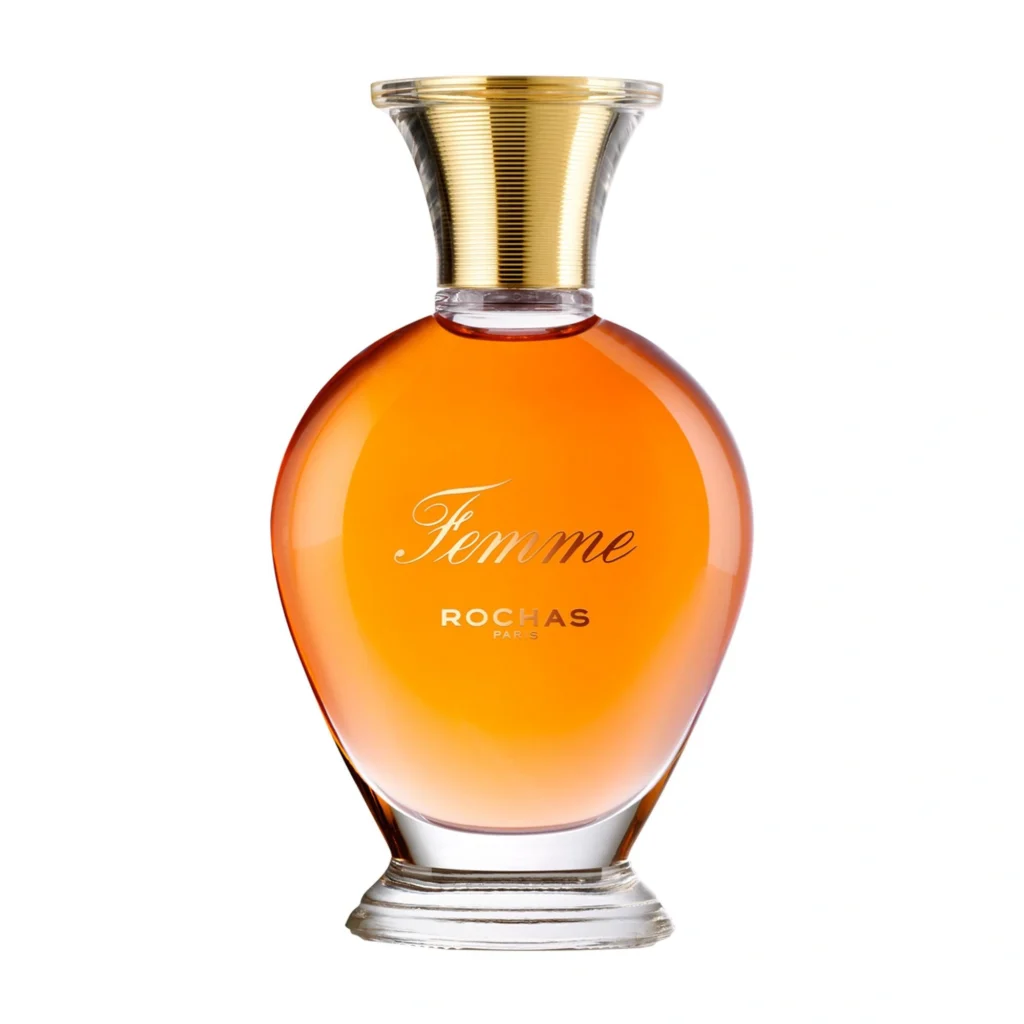
Its historical identity is closely associated with a rich, fruity and spicy interpretation of the genre, exploring a warmer and more sensual direction.
Where Mitsouko offers one interpretation of fruity sophistication, Femme demonstrates just how voluptuous and expressive a chypre composition can become.
It’s also a reminder that traditional fragrance families were never necessarily restrained or predictable.
Some of them had plenty of attitude.
Hermès Barénia (2024)
Moving into contemporary perfumery, Hermès Barénia offers a modern interpretation of the chypre family.
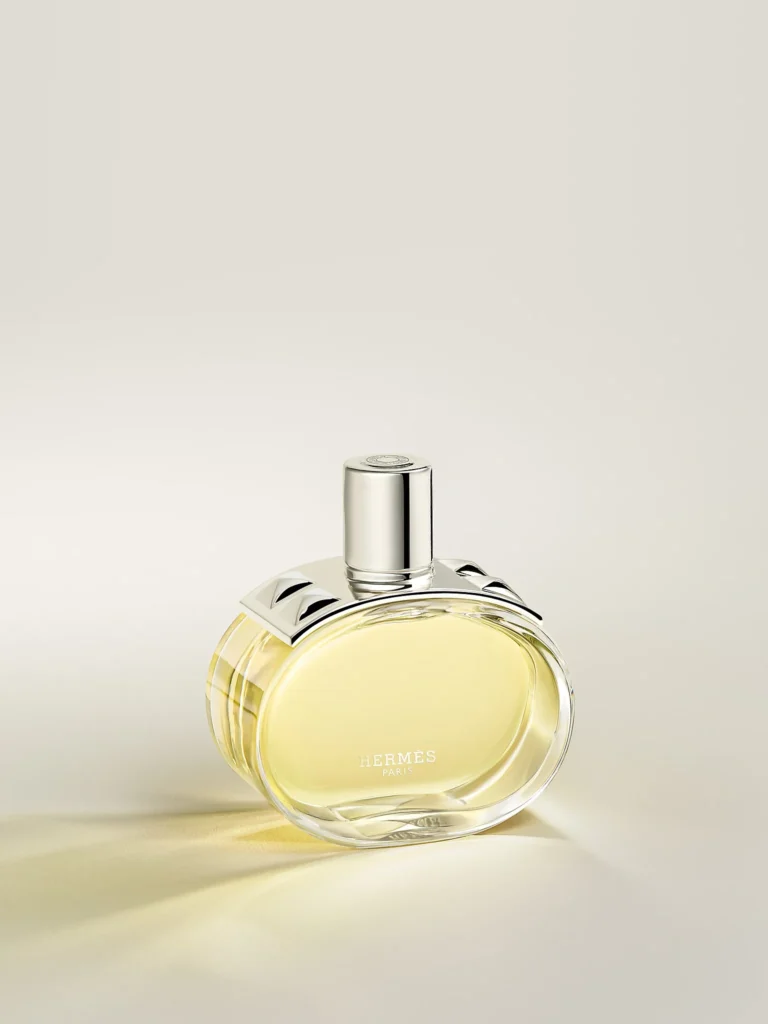
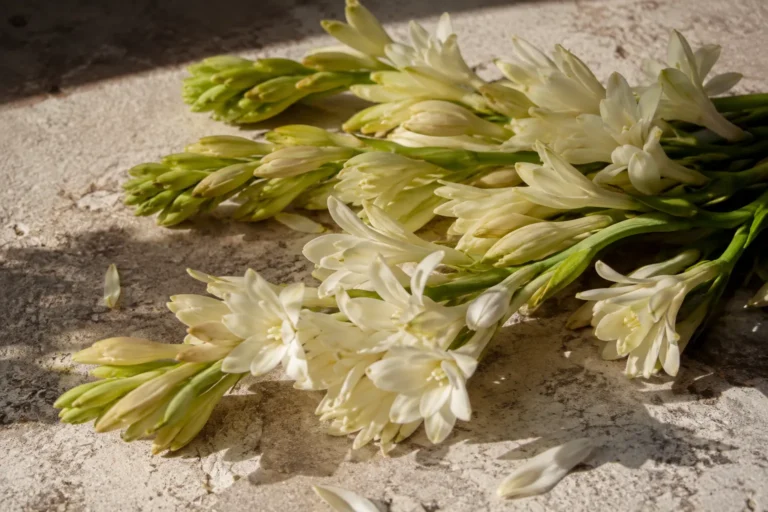
Created by Christine Nagel, the fragrance combines butterfly lily, miracle berry, oakwood and patchouli.
Rather than simply recreating a historical formula, Barénia explores the tension between floral delicacy, fruitiness and a substantial woody foundation.
Hermès presents it as the house’s first chypre fragrance, an interesting milestone considering the brand’s long history in perfumery.
It’s also an excellent example of how contemporary perfumers can approach established fragrance families without treating their traditional structures as untouchable formulas.
Prada Trembled Blossoms (2026)
And finally, the fragrance that inspired this entire guide.
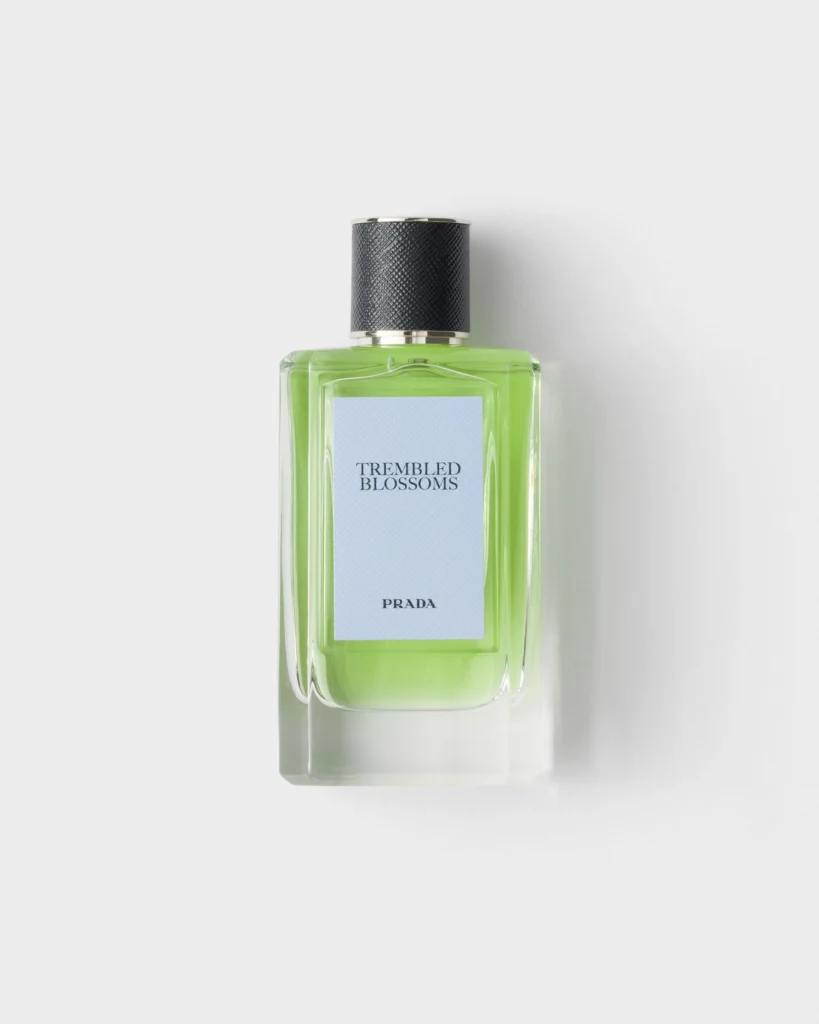
Prada Trembled Blossoms belongs to the Olfactories collection and is presented by the house as a green chypre.
Its official composition centres on blackcurrant buds, peppermint and a vegetal leather accord, an intriguing combination that takes the concept of greenery in a rather unexpected direction.
Instead of relying on an obviously classical list of chypre materials, the description suggests a more contemporary approach built around fresh, vegetal and softly leathery contrasts.
I haven’t personally tested Trembled Blossoms yet, so I can’t tell you how closely its development resembles a traditional chypre or whether the green elements remain prominent throughout the wear.
What I can say is that the combination sounds fascinating.
And the apple-green liquid certainly isn’t helping my attempts to become a more financially responsible perfume enthusiast.
| Curious about Prada Trembled Blossoms? Discover why this intriguing green chypre has already earned a spot on my dangerously crowded wishlist. |
How to Recognize a Chypre When Testing Perfumes
Now that we’ve explored the history and structure of chypre fragrances, there’s one practical question worth answering.
How can you recognize one when you’re actually standing in a perfume shop?
The first thing to remember is that not every fragrance containing bergamot, patchouli or oakmoss necessarily belongs to the chypre family.
Individual notes aren’t enough to determine a fragrance’s classification.
Instead, pay attention to the relationship between freshness and depth.
Does the composition begin with something bright, citrusy or green before developing a drier, earthier character? Is there a noticeable contrast between the opening and the base? Does the fragrance create an impression of mossy, woody or resinous sophistication?
These can all be useful clues, particularly when exploring more traditional interpretations.
However, modern chypres may not follow the same progression so clearly. Some are softer, fruitier, cleaner or more abstract, and their chypre identity may be more apparent in the overall structure than in any particular note.
It’s also worth giving the fragrance time to develop on your skin.
Testing only the opening can be misleading, especially with compositions that reveal much of their character during the heart and drydown.
And while we’re discussing testing, remember that a fragrance blotter doesn’t always tell the complete story.
Skin chemistry, temperature and personal perception can influence how you experience a perfume.
Which is another excellent excuse to spend considerably more time in a perfume boutique than originally intended.
Strictly for educational purposes, naturally.
Are Chypre Fragrances for Everyone?
Chypres have sometimes been described as sophisticated, mature or particularly elegant fragrances.
While these associations reflect aspects of their history, they can also create misleading expectations.
A chypre doesn’t necessarily have to smell old-fashioned, intensely mossy or especially formal.
Contemporary interpretations can be bright, playful, fruity, green or surprisingly approachable. Equally, some classical examples retain a distinctive dryness and complexity that may not appeal immediately to someone accustomed to sweeter or more straightforward fragrances.
Ultimately, personal taste matters far more than the historical reputation of a fragrance family.
If you enjoy contrasts, earthy textures, unusual combinations or perfumes that reveal different facets over time, chypres are certainly worth exploring.
And if you discover that you don’t enjoy them?
That’s perfectly acceptable too.
There are enough fragrance families in the world without turning perfume appreciation into a compulsory examination.
Final Thoughts: The Beauty of Contradiction
What makes chypre fragrances so fascinating isn’t simply their history or the ingredients traditionally used to create them.
It’s their ability to bring apparently opposing sensations together.
Freshness and depth. Brightness and shadow. Floral softness and earthy intensity. A sparkling opening followed by a foundation that can feel dry, mossy, warm or unexpectedly sensual.
The original structure popularized by François Coty in 1917 has evolved considerably, but its influence continues to shape contemporary perfumery.
From historical creations such as Mitsouko and Femme to modern interpretations like Hermès Barénia and Prada Trembled Blossoms, chypres demonstrate just how versatile a fragrance family can become.
And perhaps that’s the best reason to explore them.
Not because every chypre is guaranteed to become your next favorite perfume, but because understanding the family offers another way to appreciate the decisions, contrasts and creative possibilities behind a fragrance.
Besides, learning about perfume history is considerably cheaper than buying every interesting bottle you encounter.
Although, judging by the state of my wishlist, I don’t seem particularly committed to putting that theory into practice.