
Jordi Fernández: The Perfumer Who Refuses to Be Defined by a Single Scent
From Mediterranean freshness to Middle Eastern oud, Jordi Fernández has built a career around contrasts, curiosity and an impressive ability to move between olfactory worlds. And judging by his extraordinarily busy 2026, slowing down doesn’t seem to be part of his plans.
Apparently, Jordi Fernández has been rather busy
If you have been following fragrance launches throughout 2026, there is a very good chance you have encountered Jordi Fernández‘s name more than once. In fact, depending on how closely you follow the industry, you might have started wondering whether the man ever leaves his laboratory. Between new creations for niche houses, collaborations with established luxury brands and reinterpretations of familiar fragrance collections, Fernández has become an increasingly prominent figure in contemporary perfumery.
His recent work includes Ambre Latte for Essential Parfums, Stellar Silk for BDK Parfums and Demon Dancer for Ex Nihilo, three fragrances that illustrate just how comfortably he moves between different creative briefs. Then there are releases such as Montblanc Explorer Infinite and Atkinsons Mystic Moonlight, both of which have found their way into my personal collection. Clearly, his productivity is having consequences beyond the fragrance industry. My shelves, for example, are becoming rather crowded.
However, reducing Jordi Fernández to an exceptionally productive perfumer would miss what makes his career worth exploring. Behind that growing catalogue lies a particularly interesting creative personality, shaped by Mediterranean memories, years spent discovering Middle Eastern fragrance traditions and a fascination with materials capable of expressing apparently contradictory sensations.
For this new chapter of The Perfumers, I wanted to look beyond individual launches and understand the person behind the compositions. What influences his work? Why is his name so closely associated with oud? And how can the same perfumer move from the freshness of a Montblanc fragrance to the creamy gourmand universe of Ambre Latte without losing his creative identity?
Those questions become even more interesting when you realise that his journey into perfumery was anything but conventional.
From Barcelona to Givaudan: An Unconventional Beginning
Unlike many perfumers who follow a formal education through specialised institutions, Jordi Fernández developed his skills through direct experience. Born in Catalonia, he entered the fragrance industry through Eurofragance, a family-owned company in Barcelona, where he discovered a profession that immediately fascinated him.
His education took place through observation, experimentation and collaboration with experienced professionals rather than through the traditional perfumery-school route. That background remains significant because Fernández continues to describe curiosity as an essential part of his creative process. In a September 2026 interview with the Fragrance Foundation France, he explained how working alongside perfumers, evaluators, researchers and technical specialists helped shape his understanding of fragrance creation.
In 2014, he joined Givaudan, one of the world’s leading fragrance and flavour companies. The move gave him access to a much broader range of materials, research capabilities and international projects, allowing his work to develop across different markets and olfactory traditions.
What makes his story especially interesting is the relationship between technical knowledge and creative instinct. Fernández doesn’t treat these as opposing forces. Instead, he sees developments in extraction methods, biotechnology and fragrance molecules as additional opportunities for artistic exploration.
It is a useful reminder that modern perfumery is neither exclusively science nor exclusively art. The most interesting results often emerge when both disciplines work together, even if the finished fragrance arrives wrapped in a very expensive box that tells us considerably more about its inspiration than its actual construction.
Two worlds, one creative perspective
To understand Fernández’s approach, it helps to consider two geographical influences that appear repeatedly in discussions of his work: Barcelona and Dubai.
His Mediterranean upbringing introduced him to the freshness of traditional Spanish colognes, aromatic plants, pine forests and the everyday scents of coastal life. These impressions form an important part of his olfactory memory, providing a foundation built around brightness, familiarity and natural freshness.
Dubai introduced him to a different relationship with fragrance, one characterised by richer compositions, generous application and a particular appreciation for oud, incense, woods and amber. Spending time in the Middle East allowed him to explore not only the materials themselves, but also their cultural significance and the ways fragrances are worn and experienced.
These influences might initially seem difficult to reconcile. Mediterranean colognes generally suggest lightness and transparency, while Middle Eastern perfumery is frequently associated with richness, depth and intensity.
Yet it is precisely this contrast that makes Fernández’s creative perspective so compelling. Rather than choosing between the two traditions, he draws inspiration from both, exploring how luminosity can coexist with darkness, and how powerful materials can be given an unexpected sense of freshness.
The Master of Oud, But Not Only Oud
Jordi Fernández has frequently been described as the Master of Oud, a nickname reflecting his extensive experience with one of perfumery’s most complex materials.
Oud can express an extraordinary range of characteristics, from smoky and resinous to animalic, woody or surprisingly smooth. Its versatility makes it fascinating to work with, but also challenging. A poorly balanced composition can allow the material to dominate everything around it, while a more thoughtful interpretation can reveal nuances that might otherwise remain hidden.
Fernández’s interest lies particularly in the possibilities created by contrast. He has explored how rich woody materials can interact with brighter elements, making compositions feel less predictable without necessarily sacrificing their depth.
One of the clearest examples is Oud Maracujá by Maison Crivelli, where the tart, tropical character of passion fruit is placed against the darker intensity of oud. It is a combination that might appear unusual on paper, yet it illustrates a broader principle in his work: familiar materials can become considerably more interesting when placed in unfamiliar surroundings.
But there is a danger in associating a perfumer too closely with a single ingredient. Fernández himself has spoken about his desire to avoid being confined to one olfactory territory, and his catalogue certainly supports that ambition.
In fact, one of the most revealing details from his recent interviews concerns another ingredient entirely.
Patchouli.
His relationship with patchouli
While oud might be the material most commonly associated with Jordi Fernández, patchouli occupies a particularly important place in his personal preferences. In his September 2026 interview with the Fragrance Foundation France, he identified it as probably his favourite ingredient.
The explanation makes considerable sense when you examine patchouli’s versatility. Depending on its quality, treatment and surrounding materials, it can express earthy, woody, camphoraceous and even chocolate-like facets. For a perfumer interested in contrasts, this kind of flexibility offers an enormous amount of creative freedom.
This fascination also provides an interesting connection to Montblanc Explorer Infinite, one of the fragrances in my collection. Its composition places patchouli at the centre of a woody structure, demonstrating how the material can contribute to an accessible contemporary fragrance rather than appearing exclusively in dense, traditionally earthy compositions.
And that is perhaps one of Fernández’s most interesting qualities. He seems equally comfortable using familiar materials to create broad commercial appeal and exploring their more unexpected possibilities within niche perfumery.
Neither approach is automatically more valuable than the other. Creating something appealing to a large audience requires a different set of decisions from developing a deliberately unconventional composition, and being able to move convincingly between those objectives is a skill in itself.
Five Jordi Fernández Fragrances in My Collection
One of the reasons I wanted to dedicate an article to Jordi Fernández is that I already own several fragrances associated with his work. Admittedly, five bottles might seem like a modest starting point when compared with the size of his catalogue, but they offer an interesting perspective on the variety of projects he has undertaken.
More importantly, they represent different approaches to fragrance creation, from accessible woody compositions to gourmand experiments and exotic interpretations of oud.
This is not intended as a ranking or a collection of miniature reviews. Instead, I want to examine how these five fragrances reflect different aspects of Fernández’s work. Their compositions and creative concepts are well documented, but a detailed assessment of their development on my skin deserves its own space rather than being reconstructed from a list of ingredients.
Montblanc Explorer Infinite: A Contemporary Interpretation of Patchouli
Released in 2026, Montblanc Explorer Infinite continues the story of one of the brand’s most established fragrance collections. Created by Jordi Fernández and Antoine Maisondieu, it revisits the Explorer identity through a composition centred on citrus freshness, patchouli and musks.
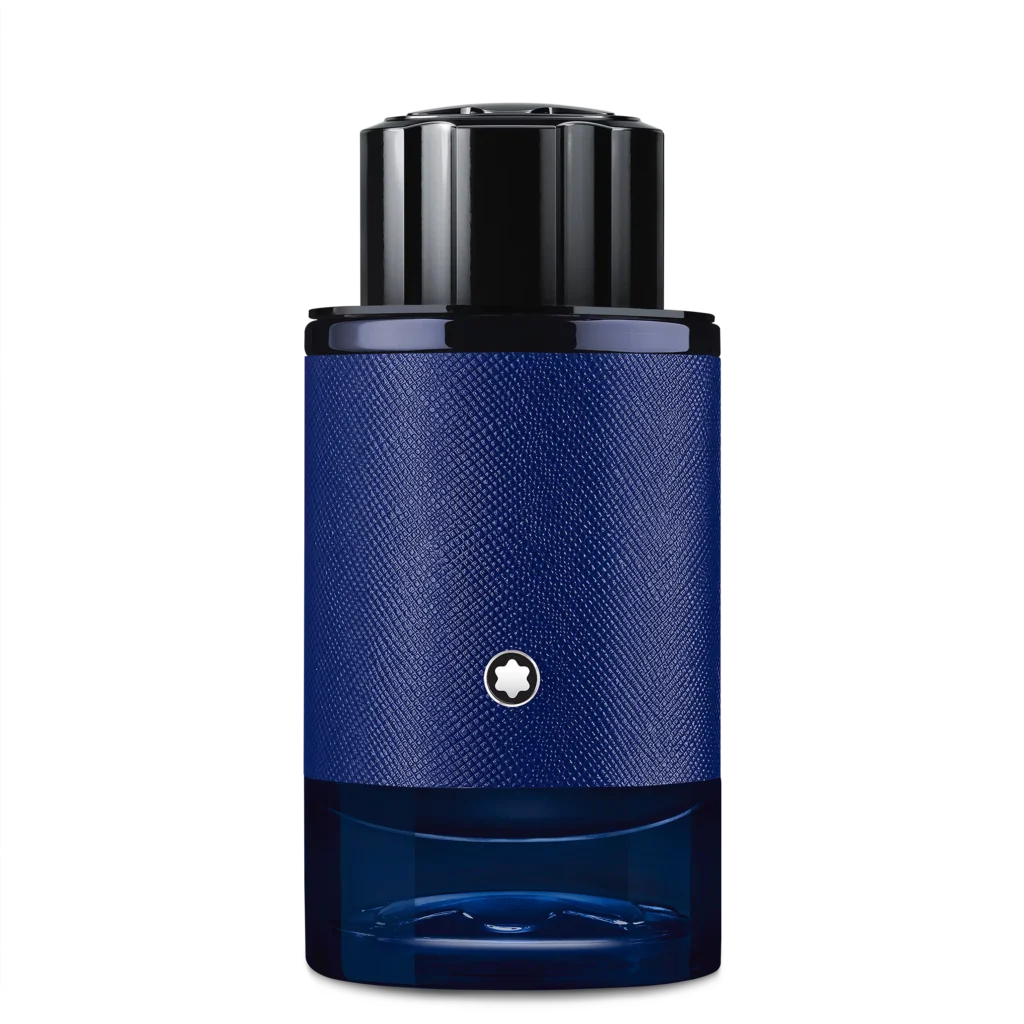
The official description highlights an interesting treatment of patchouli, developed specifically for the collection. Rather than emphasising its traditionally earthy characteristics, this interpretation explores more polished woody facets, including subtle leather and cocoa nuances. The result, at least from a compositional perspective, is an attempt to give a familiar material a more contemporary personality.
What makes Explorer Infinite relevant to this portrait is the way it connects Fernández’s personal appreciation of patchouli with the expectations of a mainstream fragrance. A Montblanc release must communicate a particular aesthetic, appeal to a broad audience and maintain some continuity with the collection it belongs to. Those requirements inevitably shape the creative process.
Yet commercial perfumery shouldn’t be dismissed simply because it aims to please. Creating a fragrance capable of appealing to thousands of people while maintaining a coherent identity is an entirely different challenge from producing something intentionally eccentric.
And judging by the number of Explorer flankers released over the years, Montblanc has certainly developed a considerable appreciation for that particular challenge.
Essential Parfums Ambre Latte: The Gourmand Side of Jordi Fernández
If Explorer Infinite represents one side of Fernández’s work, Ambre Latte takes us into rather different territory.

Created for Essential Parfums in 2026, Ambre Latte explores the relationship between gourmand sweetness and contemporary woody materials. Its central inspiration is almond milk foam, surrounded by caramel, vanilla, tonka bean and benzoin. Beneath that comforting composition sits a more technical structure built around Georgywood, Akigalawood and Ambrofix.
What interests me about Ambre Latte is the way its concept brings together two increasingly important directions in modern perfumery. On one side, we have the popularity of gourmand fragrances, particularly those built around milk, nuts, caramel and other edible associations. On the other, there is the growing prominence of powerful woody-amber materials, capable of providing structure and diffusion.
Fernández combines these ideas by placing a soft gourmand accord against a more assertive woody foundation. This creates an interesting tension between comfort and intensity, demonstrating that gourmand perfumery doesn’t necessarily have to revolve around sweetness alone.
Essential Parfums also provides an unusually detailed explanation of the materials involved, which makes Ambre Latte particularly useful when examining the perfumer’s creative approach.
And I have to admit that the idea of almond milk, caramel and vanilla sounds suspiciously close to something designed specifically to attract my attention.
Apparently, even an article about a perfumer’s career can become an opportunity to discuss my questionable purchasing habits.
Moncler Sunrise Pour Homme: The Beauty of Contrast
Created by Jordi Fernández and Antoine Maisondieu, Moncler Sunrise pour Homme arrived in 2023 with a concept inspired by the transition between darkness and daylight in a mountainous landscape.

The composition follows a woody-aromatic direction, opening with bergamot, lemon and pink pepper before developing through sage, nutmeg and a suede accord. Vetiver, patchouli and incense provide the foundation, introducing a warmer and more textured dimension to the fragrance.
Its creative concept is particularly relevant when considering Fernández’s interest in contrasts. Fresh aromatic notes are positioned against darker, warmer materials, producing a composition intended to capture the tension between freshness and strength.
There is also an interesting connection between Sunrise pour Homme and Explorer Infinite. Both were created in collaboration with Antoine Maisondieu, and both demonstrate how the same creative partnership can respond to different brand identities.
A Moncler fragrance has to communicate a world inspired by outdoor exploration and contemporary luxury, while Montblanc draws upon its own associations with craftsmanship and discovery. The fragrance briefs are different, even when certain materials or structural ideas overlap.
This is one of the reasons I find the work of professional perfumers so fascinating. Their personal preferences inevitably influence their creations, but those preferences must coexist with the identity of the Maison commissioning the fragrance.
It is a constant negotiation between artistic expression and commercial expectations.
Which sounds exhausting, although presumably no more exhausting than trying to explain to my bank why another perfume purchase was absolutely necessary.
Montblanc Black Meisterstück: Incense and the Art of Restraint
Black Meisterstück, part of the Montblanc Collection, offers another perspective on Fernández’s relationship with woody and resinous materials.

Inspired by Montblanc’s iconic writing instrument, the fragrance places incense at the centre of its identity, supported by warm spices, woods, vetiver and Ambrofix. The composition is intended to evoke the elegance and tactile qualities of the Meisterstück pen, translating an object associated with craftsmanship into an olfactory experience.
What makes this project interesting is the challenge of creating a perfume inspired by something that doesn’t have an immediately obvious fragrance.
A flower, a dessert or a tropical landscape can provide relatively direct olfactory references. A luxury fountain pen requires a more abstract interpretation, involving materials, textures and the emotional associations surrounding the object.
Incense is a particularly interesting choice for this kind of project. It can suggest warmth, introspection and a certain ceremonial atmosphere, while woody-amber materials can provide a more contemporary structure.
Black Meisterstück therefore illustrates another aspect of Fernández’s work: his ability to translate a brand’s visual and cultural identity into fragrance without relying exclusively on literal interpretations.
And naturally, I appreciate any luxury object that manages to turn something as ordinary as writing into an excuse for another perfume.
Atkinsons Mystic Moonlight: An Exotic Interpretation of Oud
Atkinsons Mystic Moonlight brings us back to the material most closely associated with Fernández’s reputation: oud.
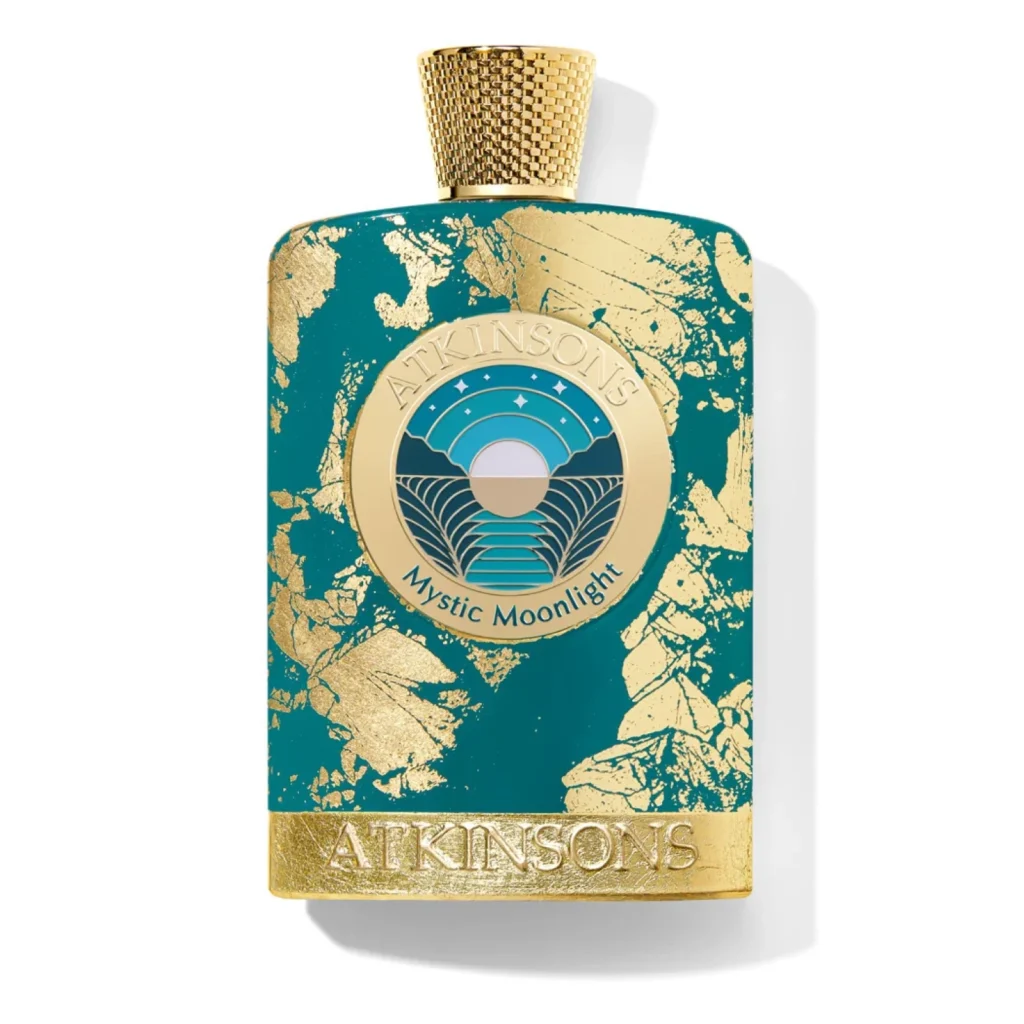
Released in 2026 as part of the Atkinsons Reserve Collection, Mystic Moonlight revisits the inspiration behind Sakuntala, a fragrance created by the British house in 1919. The modern interpretation combines a tropical opening of passion fruit, coconut and red ginger with a woody heart built around oud, cedarwood, cypriol and labdanum. Amber and tonka bean complete the composition.
This combination is particularly interesting because it brings together two olfactory territories that might initially appear difficult to reconcile. Tropical fruit and coconut suggest brightness, softness and an almost edible quality, while oud and resinous woods introduce greater depth.
It is a creative direction that aligns closely with Fernández’s interest in contrasts, particularly his willingness to place darker materials alongside something unexpectedly luminous.
Mystic Moonlight also represents a different approach to storytelling. Rather than creating an entirely new concept, Atkinsons has revisited part of its historical identity and entrusted its contemporary interpretation to a perfumer whose experience with woody materials makes him particularly suited to the project.
I have already dedicated a review to this fragrance, so it deserves a special mention here. It also demonstrates why I find this series increasingly interesting: the more perfumes I collect and study, the more connections begin to emerge between compositions that might otherwise seem unrelated.
Sometimes those connections are technical, sometimes historical, and occasionally they are simply another reminder that I have been spending an unreasonable amount of time thinking about perfume.
Beyond Individual Fragrances: What Defines His Creative Approach?
After examining Jordi Fernández’s career and these five compositions, it becomes tempting to search for a single characteristic that defines his work. Perhaps an affection for woody materials, a preference for powerful amber structures or the recurring use of contrasts between freshness and intensity.
Yet reducing his work to one formula would be misleading.
A perfumer working across international designer brands and independent niche houses cannot approach every project in exactly the same way. Each commission comes with its own expectations, target audience, budget, technical requirements and creative ambitions. The ability to respond to those differences is part of the profession itself.
What emerges from Fernández’s interviews is less a fixed olfactory formula than a particular way of thinking about composition. He is interested in the tension between opposing sensations, the versatility of individual materials and the possibilities created when traditional ingredients are approached through modern techniques.
His work also reflects an unusually broad cultural perspective, shaped by Mediterranean freshness and the richer fragrance traditions of the Middle East.
That combination helps explain why his name appears across such different projects, from Montblanc to BDK Parfums, Essential Parfums and Maison Crivelli.
There is another detail worth remembering. Some of his best-known fragrances are collaborative creations, and acknowledging the contribution of other perfumers is essential when examining the finished work. A fragrance developed with Antoine Maisondieu or another colleague shouldn’t automatically be interpreted as the expression of a single author.
Perfumery is frequently a collaborative discipline, even when the marketing surrounding it prefers a more romantic image of one solitary genius surrounded by mysterious bottles.
Reality tends to be considerably more complicated.
And, in many ways, more interesting.
Why Jordi Fernández Deserves a Place in The Perfumers
The purpose of The Perfumers has never been simply to celebrate famous names or compile impressive lists of fragrance releases. I want this series to explore the people whose work shapes the perfumes we wear, collect and occasionally become completely obsessed with.
Jordi Fernández is a particularly interesting subject because his career challenges several assumptions about the profession.
He didn’t follow the traditional academic route into perfumery, yet he has become an important figure within one of the industry’s leading fragrance houses. His work is associated with oud, but his creative interests extend far beyond that material. And while he is capable of developing richly textured niche compositions, he also works on fragrances intended for a much broader audience.
His extraordinarily active 2026 offers another reason to pay attention. With creations spanning different houses and olfactory directions, Fernández continues to demonstrate that versatility remains one of his defining professional strengths.
Personally, I find the relationship between his work with woody materials and his exploration of sweeter, more comforting compositions particularly interesting. It offers an opportunity to look at modern perfumery beyond the increasingly rigid distinction between designer and niche fragrances.
After all, a beautifully constructed perfume doesn’t become less interesting simply because it is sold in a department store, just as an expensive niche fragrance doesn’t automatically become a masterpiece because its bottle looks impressive.
Although, as a collector, I reserve the right to be influenced by a particularly beautiful bottle.
Some principles are simply too difficult to abandon.
The Final Impression
If there is one idea that emerges from Jordi Fernández’s career, it is that creative identity doesn’t necessarily depend on repeating the same olfactory formula.
Instead, it can be found in the questions a perfumer asks, the materials that fascinate them and the willingness to explore unfamiliar combinations.
From Mediterranean colognes to the complexity of oud, from aromatic woods to almond milk and caramel, his work reflects an ongoing curiosity about what fragrance can express.
And perhaps that is why his creations continue to attract so much attention.
Not because they all smell alike, but because they demonstrate how many different directions a single creative career can take.
As for my own collection, five fragrances might seem like a reasonable starting point.
Unfortunately, after researching this article, I have discovered several others that deserve further investigation.
Purely for editorial purposes, naturally.
My bank account has stopped believing that explanation, but I remain committed to it.