François Demachy: The man who made Dior smell like Dior
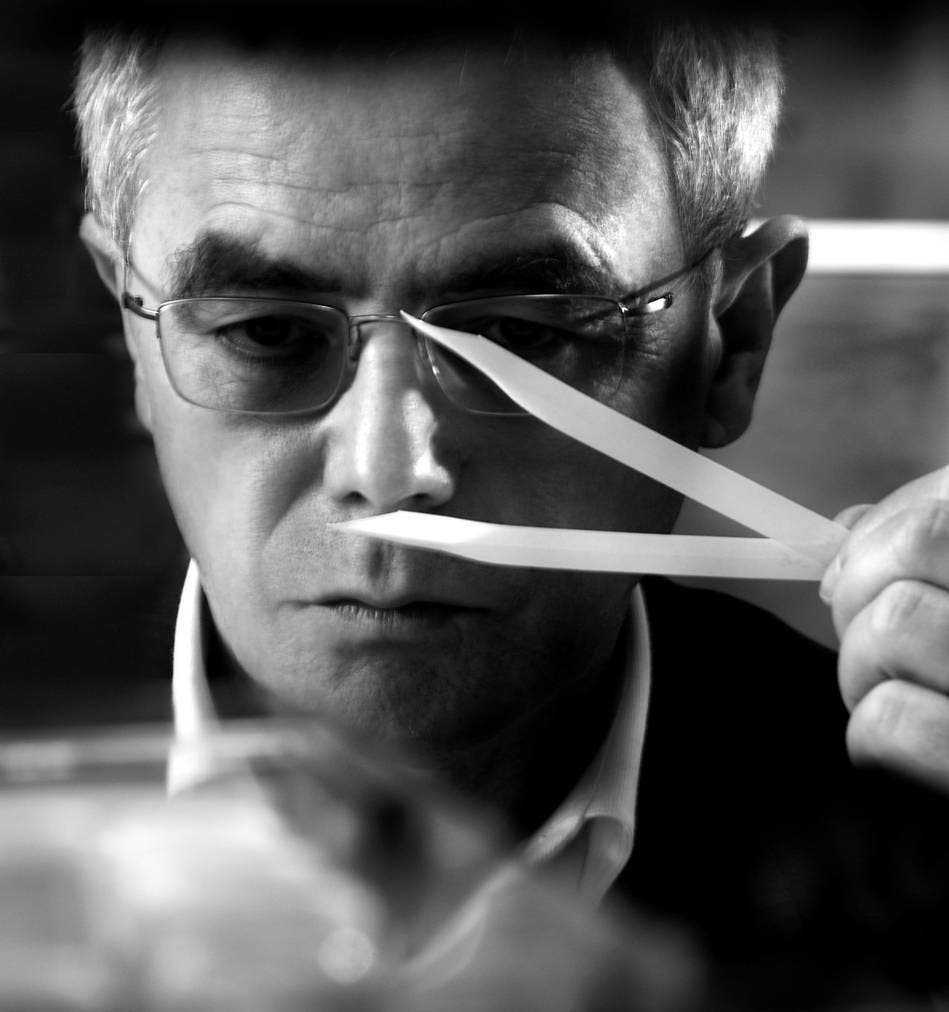
François Demachy gave Dior a modern olfactory grammar: generous but clear, luxurious without needing to shout, and broad enough to hold floral icons, men’s blockbusters and private-collection fantasies in the same house.
A Grasse education, without the mythology
François Demachy is often introduced through Grasse, and fairly so: he grew up in the historic perfume town and built an unusually direct relationship with raw materials long before fragrance culture turned every flower field into a cinematic backdrop. His route was not the neat, pre-packaged version of a perfumer biography. After early experience at Mane and training at Charabot, he spent more than two decades at Chanel, working in research and development alongside the creation work surrounding the house.
That background matters. Demachy’s best work rarely feels interested in perfumery as an ego trip. It feels constructed: materials are given room, contrasts are clearly drawn and the final effect is made to live on skin, not just impress a blotter or a press release.
2006: Dior gets a house voice
When Demachy became Dior Perfumer-Creator in 2006, he arrived at a house with a huge perfume history and an even larger set of expectations. Dior had its landmarks, its mythology and an entire wardrobe of contradictions: couture femininity, masculine classics, generous florals, sharp colognes, polished poison bottles and the pressure to keep all of it recognizably Dior.
His achievement was not making every Dior fragrance smell alike. It was giving the house a consistent sense of proportion. There is often a clean line through the composition, even when the subject is exuberant. Flowers are luminous rather than merely pretty; woods have structure rather than heaviness; sweetness is usually there to create texture, not a sugar rush in a tuxedo.
The Dior signature: generosity with a sharp outline
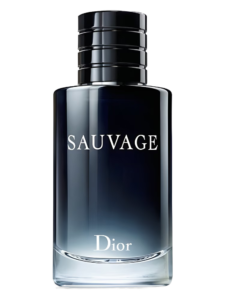
If there is a Demachy fingerprint, it is less one note than an attitude to balance. His Dior perfumes can be full-bodied, but they tend to retain a readable silhouette. J’adore Infinissime makes tuberose part of an already established floral language instead of treating it as a diva who has locked everyone else out of the dressing room. Joy by Dior layers rose, jasmine, citrus, sandalwood and musks into something radiant and soft-focus, not simply loud. In the men’s catalogue, Sauvage turned a bright, mineral aromatic idea into a worldwide phenomenon with startling clarity.
That does not mean every bottle from the era will be everyone’s personal holy grail, and it should not. A house perfumer’s job is partly to make a house legible across different audiences. Demachy had the peculiar skill of making that commercial scale feel considered. He could make a blockbuster, then turn around and make a private-collection scent where the raw material itself became the plot.
The materials were never background decoration
Demachy spoke consistently about materials and their origins, particularly the flowers connected to Grasse. Dior’s relationship with rose, jasmine and tuberose was not invented during his tenure, but he helped make that relationship central to the way the brand explained its fragrances. The point was not just provenance as luxury theatre. It was the character of a material: the creamy or apricot-like facet of jasmine, the light inside a rose, the way a tuberose can become sensual without simply becoming louder.
That material-led approach is one reason the best Demachy work still feels more tactile than its marketing. You can smell the idea of fabric, a garden in heat, polished wood, cold citrus peel. Even when a launch is unmistakably designed for a large audience, it rarely feels as if it began with a spreadsheet and then had fragrance poured over it afterwards.
Beyond Dior, the same instinct for a house code
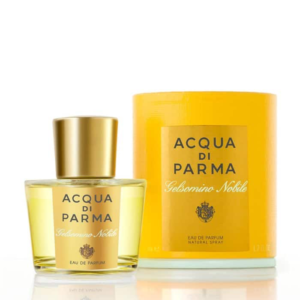
Demachy’s reach was never limited to Dior. Within the wider LVMH world he co-created Acqua di Parma Gelsomino Nobile with Michel Almairac, a white-floral composition of jasmine, tuberose and orange blossom that somehow stays refined rather than turning into a floral soap opera. He also co-created Fan di Fendi with Delphine Lebeau-Krowiak, while Givenchy’s Dahlia Noir shows another side of his hand: powdery, tailored and quietly dramatic.
Those side projects make the Dior story more interesting, not less. They show that Demachy could read a brand’s grammar and then write in it without losing his own sense of line. And on a more personal note: Gelsomino Nobile alone deserves a small blessing in his honour, while Acqua di Parma receives the gentlest possible side-eye for discontinuing it.
The bottles that make it personal
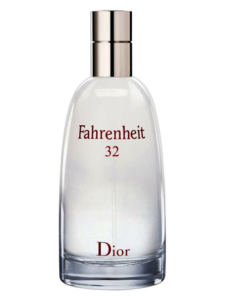
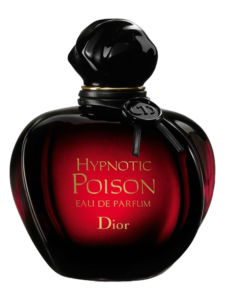
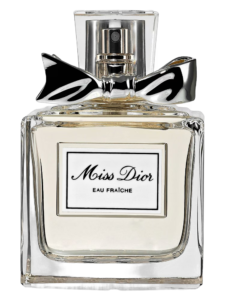
For me, the Demachy era is not just an abstract idea of a Dior signature. It includes Fahrenheit 32, which I adored with unreasonable devotion; the very obvious but fully deserved mention of Sauvage; Hypnotic Poison Eau de Parfum, my signature scent for years; and Miss Dior Eau Fraiche from 2013, another fragrance I loved deeply. Put those four bottles together and you see the range: softness, impact, sweetness, freshness and a house vocabulary that never quite loses its posture.
A legacy that is bigger than a greatest-hits list
It is tempting to reduce François Demachy to a list: Sauvage, Dior Homme in its later iterations, Miss Dior, J’adore variations, La Collection Privée, Vanilla Diorama, Tobacolor. The list is important, because very few contemporary perfumers have worked across such different parts of a single luxury house. But the more interesting story is how he connected them. His era made Dior fragrance feel like a complete wardrobe again, from daytime freshness to evening drama, from the commercial counter to the private boutique.
Francis Kurkdjian succeeded him as Dior’s perfume creation director in 2021, which naturally opened a new chapter. That should not flatten what came before it. Demachy’s legacy is not a museum room labelled ‘former Dior’. It is the fact that many people now instinctively understand what a modern Dior perfume is supposed to feel like, even when they disagree about a particular release.
Davide Parfums take
What makes Demachy interesting to me is that his work can be both very polished and very easy to feel. He understood that accessibility does not have to mean blandness, and that a big perfume can still have composure. I might not want every Dior fragrance from his era in my own wardrobe, but I absolutely want the clarity of his thinking in the industry: material first, shape second, noise only if the perfume has genuinely earned it.
He made fragrance at Dior feel like couture in the useful sense of the word: not automatically intimidating, not automatically precious, but built with a point of view. And, frankly, that is much more interesting than calling everything ‘iconic’ until the word needs a lie-down.
| For more people who quietly altered the way perfume smells, not just the way it is marketed, explore the perfumers archive here. |