Bergamot in Perfumery: The citrus note that does far more than sparkle
Bergamot in perfumery is the citrus you have probably smelled hundreds of times without ever stopping to identify it. Lemon is sharper, orange is sweeter and grapefruit announces its bitterness more openly. Bergamot sits somewhere between categories: bright but not simplistic, bitter yet gently floral, green without losing its sense of sunlight.
It is regularly placed at the top of a fragrance pyramid and then dismissed as the thing that disappears first. That description is technically convenient, but creatively incomplete. Bergamot does not merely open a perfume. It can lift a dense accord, connect citrus to flowers, bring polish to woods and prevent amber from becoming visually – and olfactorily – opaque.
The Osmothèque describes bergamot not only as an emblematic top note but also as a binder within a composition. That may be the best way to understand its importance: bergamot often makes the rest of a perfume feel more coherent, even when it is not the note receiving all the attention.
What does bergamot smell like?
The smell of bergamot is closer to the fragrant skin of a citrus fruit than to a glass of juice. Its freshness carries a dry, slightly bitter edge, but also a softer floral facet often associated with its natural linalyl acetate content. Depending on the material and the way it is used, it can suggest green peel, aromatic leaves, Earl Grey tea or a faintly peppery brightness.
That complexity is what separates it from a purely lemon-like effect. Lemon tends to feel more direct and acidic; sweet orange feels rounder and more immediately juicy. Bergamot has more ambiguity. It sparkles, but it can also feel elegant, aromatic and almost textural.
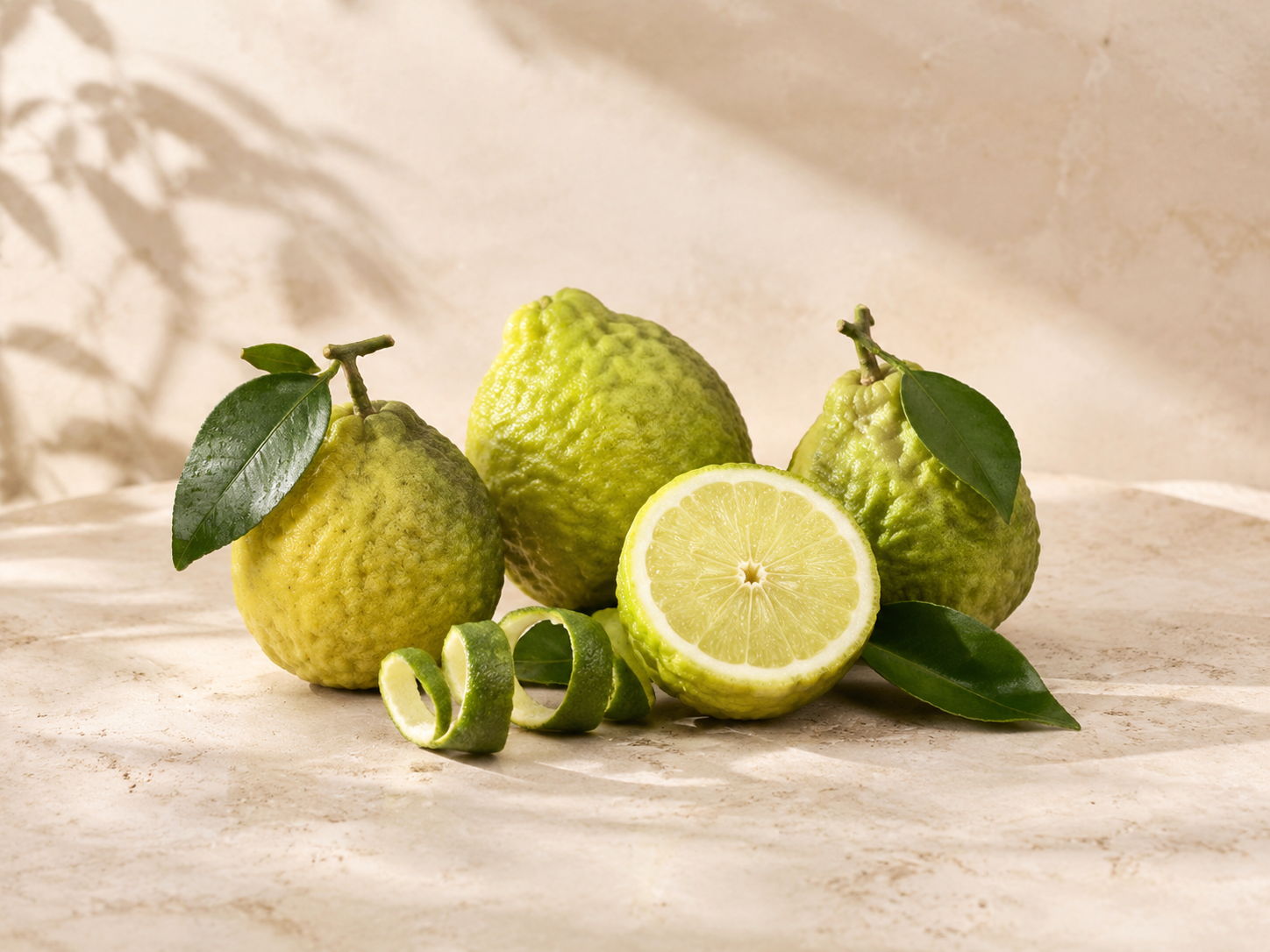
The essential oil traditionally used in perfumery is obtained from the peel by expression. Dior describes its Calabrian bergamot essence as cold-expressed and valued for the sweet freshness and radiance it brings to other citrus notes. The fruit itself may look like an uneasy meeting between an orange, a lemon and a lime; the scent is considerably more refined than that family argument suggests.
Calabria: more than a geographical adjective
The precise botanical origins of bergamot remain debated, but its cultural and olfactory identity is inseparable from Calabria, at the southern edge of Italy. The region has become the historic centre of bergamot cultivation and of the essential-oil tradition that supplies perfumery.
Calabria is not simply attractive marketing copy. Place, harvest time and processing can influence the character of the material. Guerlain, for example, says the bergamot used for Bergamote Fantastico is harvested at the beginning of November, when its early picking emphasizes an explosive green bitterness. Acqua di Parma specifically identifies the opening material in Bergamotto di Calabria as Calabrian Bergamot PDO.
Bergamot in perfumery therefore occupies two worlds at once: it is a widely recognized olfactory effect, but it is also an agricultural material with a specific landscape, season and method behind it.
Why perfumers keep returning to it
Bergamot is naturally volatile, which explains its close association with the opening of a perfume. Yet volatility is not the same as irrelevance. A bright first movement changes how everything that follows is perceived.
In an Eau de Cologne structure, bergamot bridges sharper citrus notes with neroli, petitgrain, herbs and musks. In a fougère or chypre, it gives air to materials that can feel darker, greener or more mossy. In an amber composition, it creates contrast and prevents warmth from becoming flat. The Osmothèque points to Shalimar as a reminder that bergamot can play a structural role far beyond a fleeting splash of freshness.
It is also remarkably ungendered. Bergamot can read as pristine, sporty, classical, sensual or severe depending on its companions. Freshness is not a personality; it is a tool. The five fragrances below demonstrate how differently that tool can be used.
Five ways to wear bergamot
Dior Homme Cologne: bergamot as white light
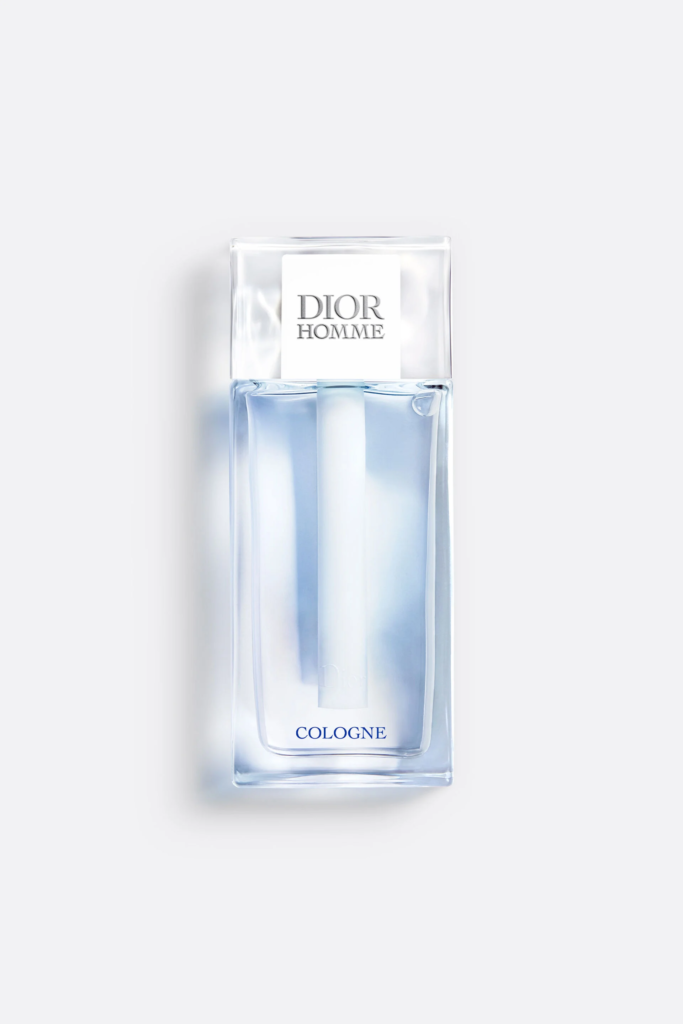
Dior Homme Cologne presents one of the cleanest possible readings of bergamot in perfumery. Dior builds the fragrance around radiant Calabrian bergamot, a Moroccan grapefruit-blossom accord and white musks. On paper, the construction sounds almost radically simple: citrus light, floral sharpness and a cotton-like musky finish.
Here bergamot is not asked to become dark, edible or mysterious. Its job is illumination. The note gives the composition its polished brightness, while grapefruit blossom adds a more piquant floral edge and the musks turn transparency into texture. This is bergamot rendered in white and pale blue rather than Mediterranean yellow.
Having worn Dior Homme Cologne myself, I associate it with an immediate dose of freshness, effervescence and energy. It feels youthful without smelling childish: clean, quick and almost impossible to wear in a bad mood. It is the more spontaneous of these two personal reference points, a fragrance that seems to switch on the light before asking where you are going.
Acqua di Parma Bergamotto di Calabria: bergamot as landscape
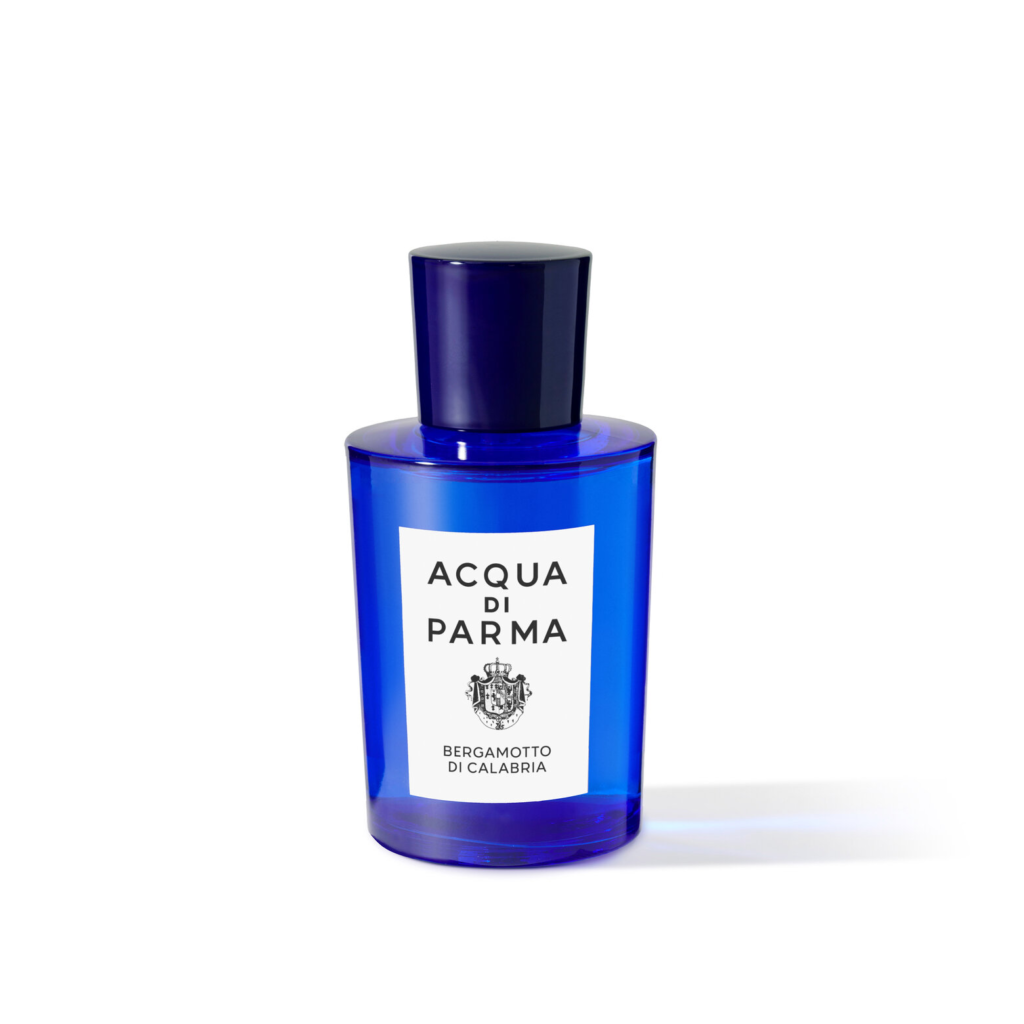
Bergamotto di Calabria makes the ingredient both subject and destination. Calabrian Bergamot PDO and citron form the opening; red ginger and cedarwood shape the heart; vetiver, benzoin and musk provide the base.
The note is allowed to be immediately recognizable, but the composition also explains why bergamot works so well as a bridge. The aromatic bite of ginger continues its energy, cedar translates brightness into dryness, and the warmer base gives the citrus somewhere to land. The result, at least structurally, is not simply bergamot placed in a blue bottle. It is an attempt to turn the Calabrian ingredient into an entire Mediterranean narrative.
I own Bergamotto di Calabria, and it gives me the same sense of brightness and forward motion I find in Dior Homme Cologne. Both qualify as mood boosters in the most literal, non-technical sense: they make the day feel more awake. The difference is in their manners. Dior feels younger and more immediate; Acqua di Parma is impeccably refined, as though that same burst of citrus energy had changed into a perfectly cut linen shirt before leaving the house.
Guerlain Bergamote Fantastico Extrait 11: bergamot with a base note’s ambition
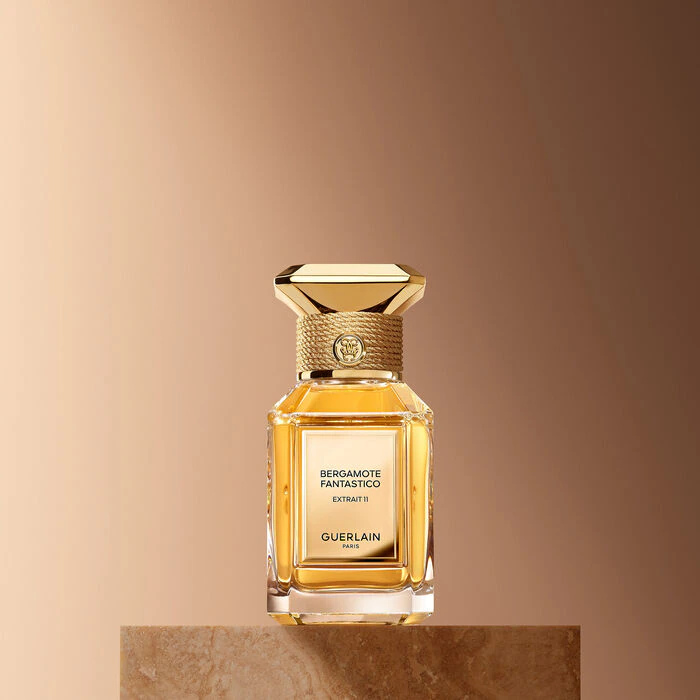
Bergamote Fantastico Extrait 11 attacks the assumption that citrus must always be light. Guerlain presents the fragrance at a 30% concentration and reinforces the fruit with the verdant bitterness of bergamot petitgrain. The house then extends it through opopanine – the ambery signature associated with Shalimar – and the smoky, woody facets of guaiac wood.
The natural essence remains a top-note material, but the composition can prolong its idea through other ingredients. That distinction matters. Perfumers do not need to make bergamot physically immortal; they can build an olfactory echo that survives after the most volatile facets have moved on. Guerlain turns the note from a flash of light into a golden, ambery trail. The price, naturally, also appears determined to linger.
Laboratorio Olfattivo Bergamotto: Jean-Claude Ellena makes it official
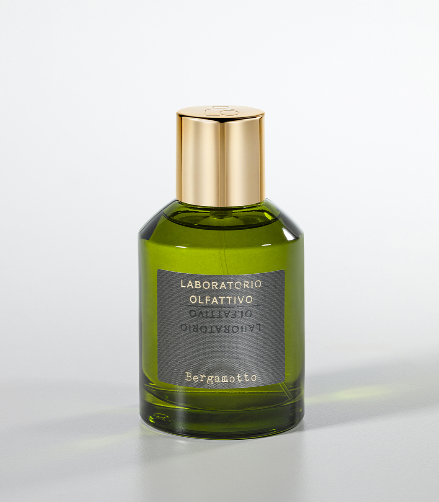
Laboratorio Olfattivo Bergamotto belongs to the Viaggio in Italia collection and was created by Jean-Claude Ellena as a Parfum Cologne. The official palette combines Calabrian bergamot, bitter orange, cardamom and white musk.
Ellena describes bergamot as one of his enduring olfactory loves and the fragrance as the moment he finally made that affection official. The note list suggests an exercise in precision rather than weight: bitter citrus sharpened by cardamom and supported by musk. It is a reminder that minimalism is not the absence of ideas. Sometimes it is what remains after every unnecessary idea has been politely shown the door.
Nishane Wūlóng Chá: bergamot in conversation with tea
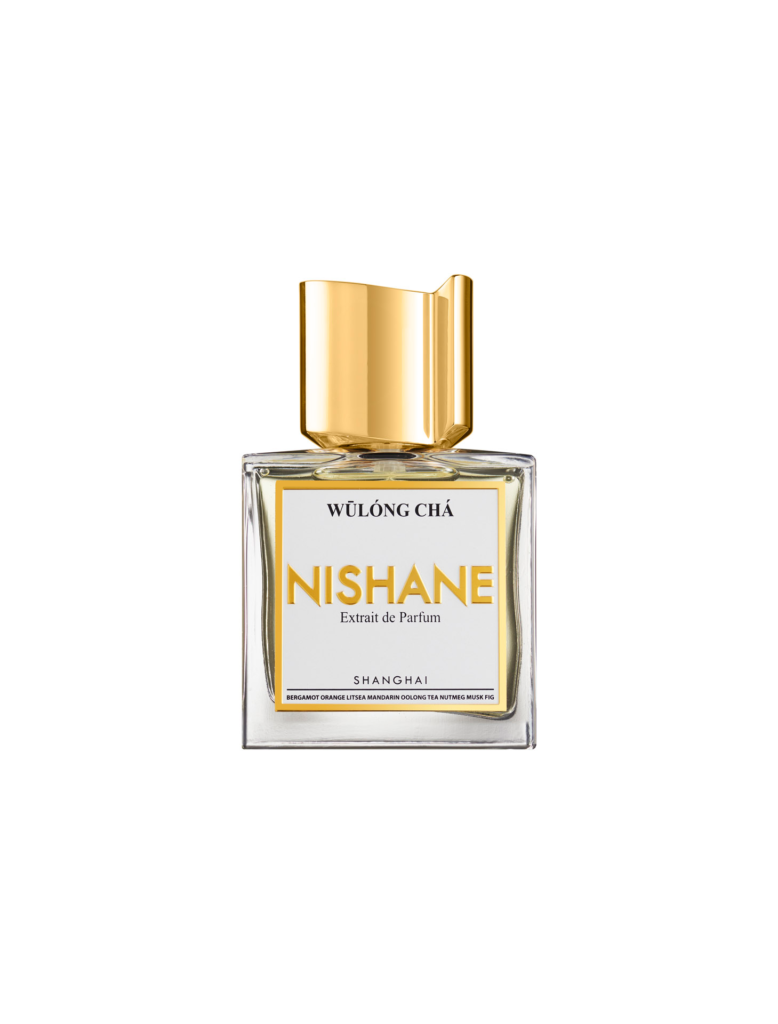
Wūlóng Chá uses bergamot as part of a broader citrus-green structure. It opens with bergamot, orange, litsea and mandarin; oolong tea and nutmeg form the heart; musk and fig anchor the base.
Here bergamot does not need to dominate the title to shape the perfume. Its floral-green bitterness helps translate sparkling citrus into the dry, aromatic suggestion of tea. Litsea intensifies the lemony brightness, while fig and musk point toward a softer finish. This may be the clearest example in the group of bergamot acting as a connector rather than a soloist.
A brief safety note
Cold-expressed bergamot oil can naturally contain furocoumarins, including bergapten, which may be phototoxic at sufficient concentrations when exposed to ultraviolet light. This is a formulation issue, not a reason to fear a finished fragrance. Modern perfume houses work within applicable regulations and safety standards, while fractionation can reduce the components of concern. The practical rule is simpler: do not treat neat bergamot essential oil as though it were interchangeable with a professionally formulated perfume. For more context, see the IFRA Standards.
The citrus note hiding in plain sight
These five fragrances are not a ranking and they do not exhaust what bergamot can do. They are five useful positions on a much larger map: white light in Dior Homme Cologne, Italian landscape in Bergamotto di Calabria, ambery concentration in Bergamote Fantastico, controlled minimalism in Laboratorio Olfattivo Bergamotto and a bridge into tea in Wūlóng Chá.
Bergamot in perfumery may arrive first, but that does not make it superficial. Sometimes it is the headline. More often, it is the editor: creating space, improving the transitions and making the entire composition easier to read.
Want to explore another raw material with several personalities? Read The Story of Tuberose, then continue through the site’s other perfume guides.