Tom Ford Ombré Leather: Four Shades of Leather
From warm vanilla to dark woods, the Tom Ford Ombré Leather collection explores four distinct interpretations of one of perfumery’s most fascinating accords.
Some perfume collections seem determined to release a new variation every time someone in the marketing department discovers another adjective.
Intense. Extreme. Elixir. Absolu.
Apparently, the original fragrance was never quite enough.
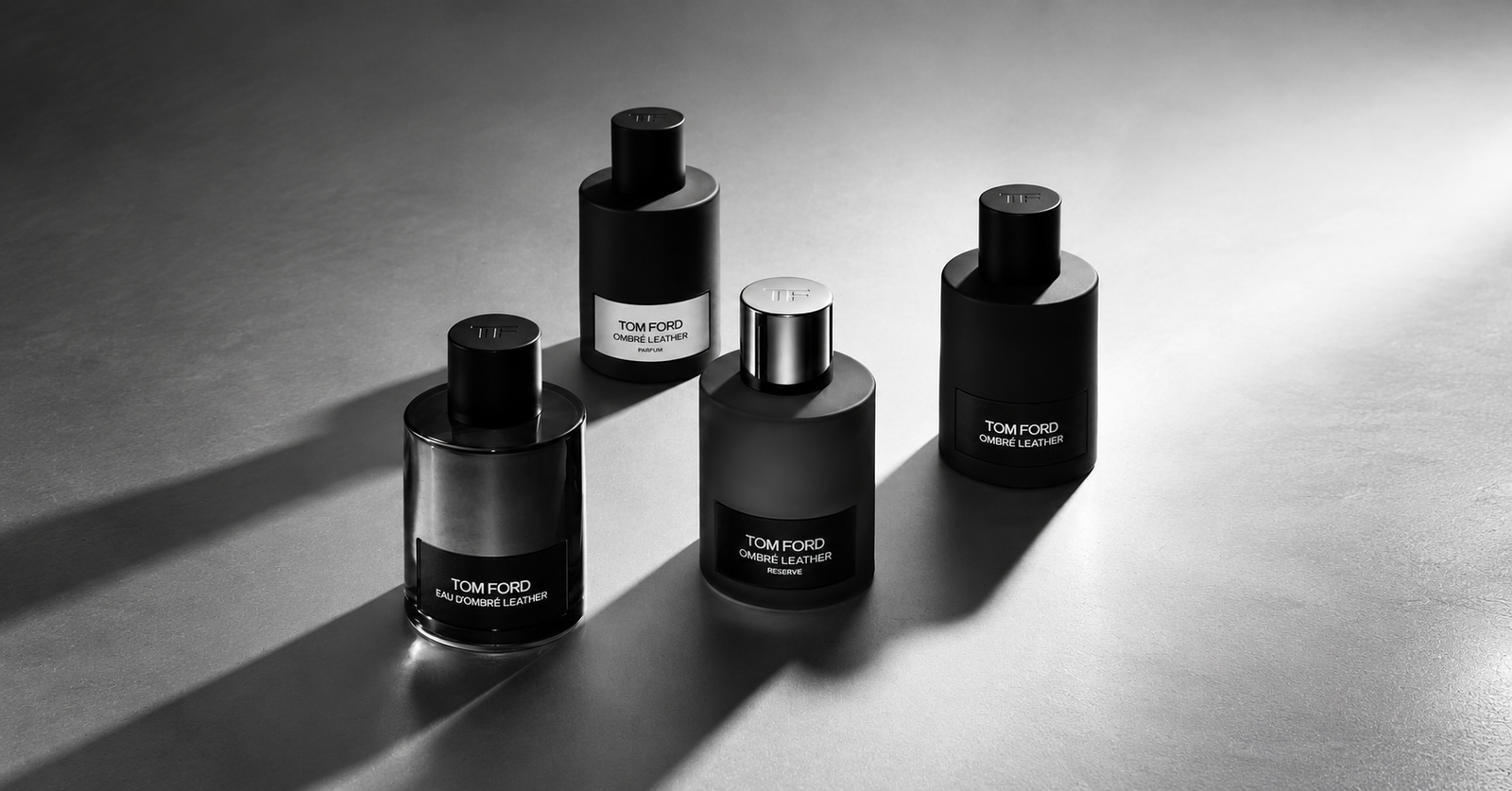
Tom Ford‘s Ombré Leather collection could easily have fallen into the same trap. Four bottles, four interpretations of leather, and enough black packaging to furnish a particularly expensive bachelor apartment.
But look beyond the bottles, and the differences become more interesting.
The collection currently brings together four fragrances: Ombré Leather Eau de Parfum, Ombré Leather Parfum, Eau d’Ombré Leather Eau de Toilette and Ombré Leather Reserve.
All share leather as their central theme, but the surrounding materials take that familiar accord in different directions.
Some introduce warmth and sweetness. Others emphasize flowers, greenery or woods.
And with Reserve joining the family in 2026, it seems like a particularly good moment to explore what separates them.
The Ombré Leather Identity
Before comparing the individual fragrances, it’s worth understanding the idea behind the collection.
Tom Ford has built much of the Ombré Leather universe around the imagery of the American West.
Open landscapes. Desert heat. Dark leather. Freedom.
It’s a romanticized vision, naturally. One in which everyone wears beautiful leather jackets, nobody gets sunburned, and even the dust probably smells expensive.
Still, it’s a surprisingly coherent concept.
Leather is particularly interesting in perfumery because it isn’t a single, straightforward material.
Unlike lavender or bergamot, which can provide natural aromatic extracts, the familiar smell of leather in a fragrance is generally constructed through combinations of different materials.
A leather accord can feel smoky, animalic, floral, woody, suede-like or almost gourmand.
And that’s precisely where the Ombré Leather collection becomes worth examining.
Each version changes the materials surrounding that central leather signature.
The result isn’t simply a progression from weak to strong.
It’s a collection of different olfactory perspectives.
Eau d’Ombré Leather: The Warmer Interpretation
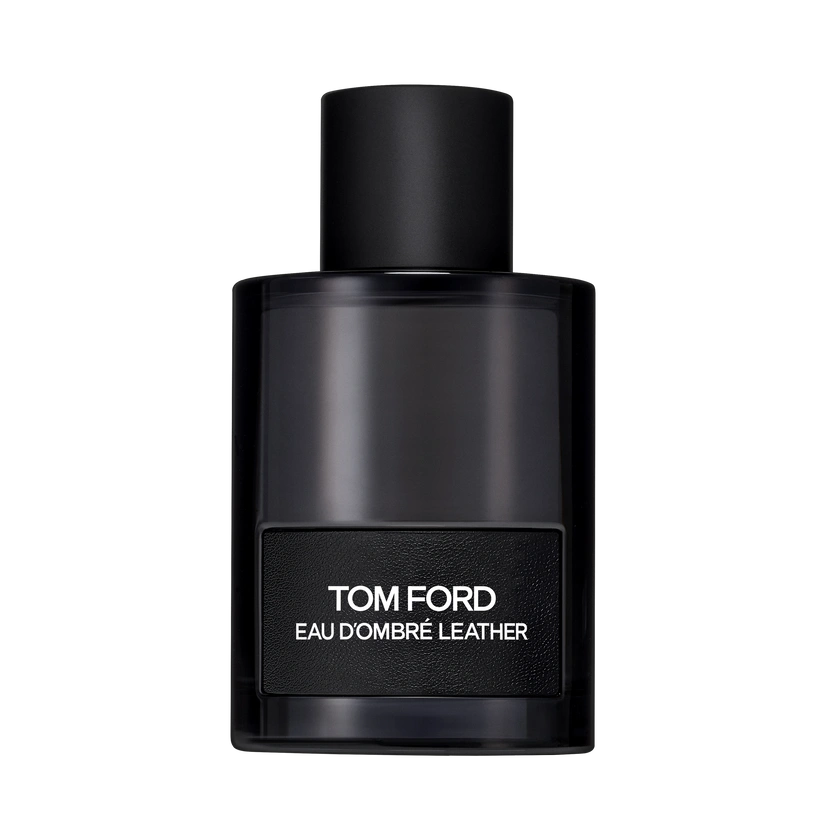
Eau de Toilette | Amber Leather
At first glance, Eau d’Ombré Leather might appear to be the obvious entry point into the collection.
It’s an Eau de Toilette, after all.
And if years of fragrance marketing have taught us anything, it’s that an EDT must automatically be the lighter, less interesting relative.
Except things aren’t quite that simple.
Tom Ford describes Eau d’Ombré Leather as an amber-leather fragrance inspired by the American West at dawn.
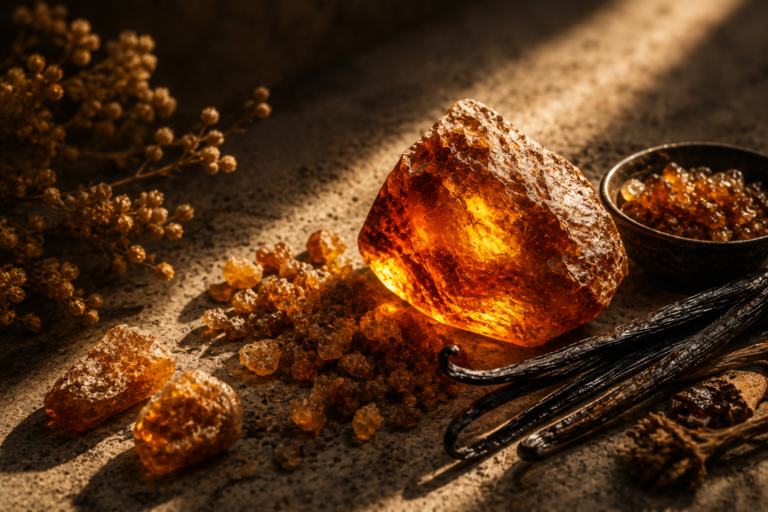
Its official key notes include glowing leather accord, Ambrofix, vanilla tincture, benzoin resinoid, tonka accord and sandalwood.
The brand also describes a spicy opening featuring ginger, coriander and cardamom.
The combination suggests a warmer, more enveloping interpretation of leather.
Vanilla, benzoin and tonka provide the potential for sweetness and softness, while the spicy opening offers contrast.
Rather than concentrating exclusively on the darker aspects of leather, this composition appears interested in making the material feel more approachable.
That doesn’t necessarily mean simple.
Amber and leather can form a particularly satisfying combination, with the warmth of one material balancing the more assertive character of the other.
I already have Eau d’Ombré Leather in my collection, and from memory, its softer, vanilla-like quality is one of the things that distinguishes it.
However, I want to revisit it properly before making detailed comparisons with the other versions.
Memory is wonderful, but it isn’t always the most reliable fragrance reviewer.
| The defining idea: Warm amber, spices and a softer interpretation of leather. |
Ombré Leather Eau de Parfum: The Original Signature
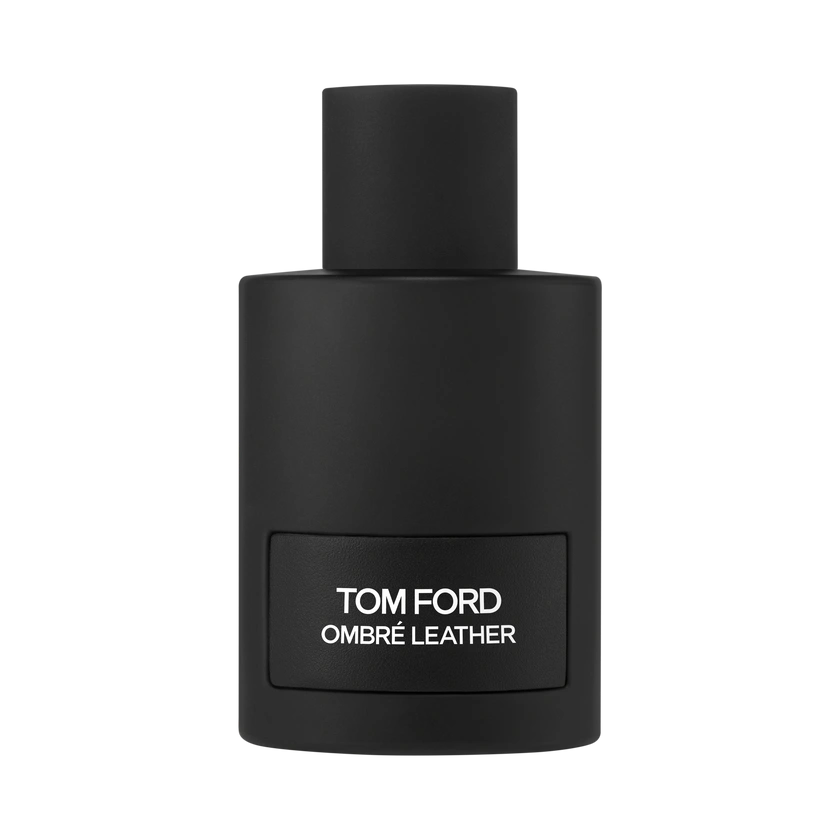
Eau de Parfum | Floral Leather
If Eau d’Ombré Leather explores warmth, Ombré Leather Eau de Parfum establishes the collection’s recognizable identity.
Here, black leather becomes the central character.
Tom Ford lists cardamom, jasmine sambac, patchouli, white moss and amber alongside its black leather accord.
The brand also highlights the textural contribution of patchouli and vetiver, while jasmine introduces a floral dimension.
This contrast is particularly important.
Leather can easily dominate a fragrance, especially when presented through dark, smoky or heavily textured accords.
Floral materials can change that impression considerably.
Jasmine sambac, in particular, brings a rich floral character that can feel sensual without necessarily becoming sweet or traditionally feminine.
The resulting concept is leather with a floral counterpoint.
There is still plenty of darkness in the composition, at least according to its official structure, but it isn’t presented as an entirely monochromatic experience.
And this is perhaps the most useful way to understand Ombré Leather Eau de Parfum.
It establishes the vocabulary that the other fragrances reinterpret.
Leather remains the central theme.
Everything else determines how that leather behaves.
| The defining idea: Dark leather contrasted with jasmine, spices and earthy materials. |
Ombré Leather Parfum: A Different Kind of Intensity
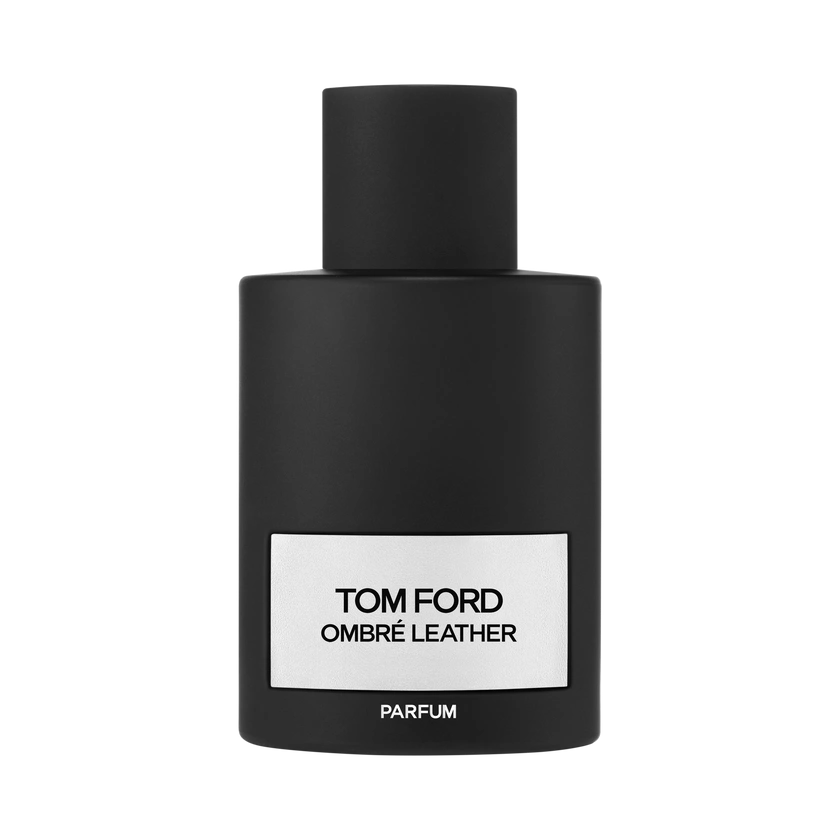
Parfum | Floral Leather
When a fragrance receives a Parfum version, expectations tend to become rather predictable.
More concentration.
More intensity.
More longevity.
Possibly a small personal announcement from the fragrance informing everyone that it has entered the room.
But concentration alone doesn’t tell us how a perfume will smell.
And Ombré Leather Parfum is an interesting example of why the composition matters more than the label.
Tom Ford presents this version as a more pronounced floral-leather expression.
Although the official key-note list closely resembles that of the Eau de Parfum, the product description specifically emphasizes violet leaf, cedarwood and subtle green tobacco nuances.
Those details suggest a different approach to the original leather signature.
Violet leaf is particularly interesting because of its distinctive green character, which can introduce a cool, vegetal or slightly metallic impression into a composition.
Cedarwood provides a contrasting woody dimension.
And the mention of green tobacco adds another possible layer of complexity.
Together, these materials suggest a fragrance that explores additional texture around leather rather than simply increasing its volume.
Of course, whether those nuances become prominent on the skin is something that needs to be established through testing.
And that distinction matters.
A note listed in a fragrance description isn’t a guarantee that every wearer will perceive it.
Sometimes the supposedly defining ingredient makes a rather discreet appearance.
A bit like a celebrity guest at a party who spends the entire evening avoiding everyone.
| The defining idea: A more pronounced floral-leather composition highlighting violet leaf, cedarwood and green tobacco facets. |
Ombré Leather Reserve: Leather Takes Control
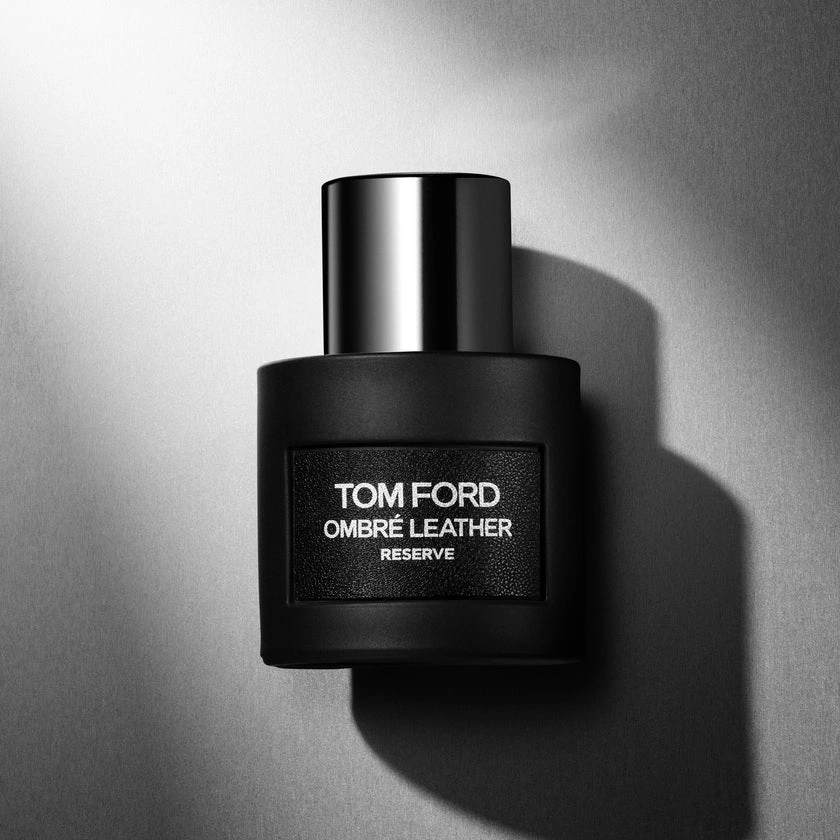
Woody Leather | 2026
And finally, we arrive at the newest member of the family.
Ombré Leather Reserve.
Unlike the other versions, this is one I’ve already spent some proper time wearing.
And the experience was memorable.
Tom Ford describes Reserve as a woody-leather fragrance inspired by the high desert of the American West.
Its official key notes include Silver Juniper ScentTrek, Deep Black Leather Accord, sandalwood, pinyon wood, white moss and violet leaf absolute.
On paper, the aromatic and woody materials suggest a shift away from the sweeter warmth of Eau d’Ombré Leather and the floral emphasis of the original Eau de Parfum.
But how does it actually behave?
I tested Reserve using a 3 ml sample prepared for me at a perfumery.
And almost immediately, it transported me somewhere very specific.
Not a desert.
Not an imaginary luxury ranch.
A clothing store I used to visit when I was a teenager.
The opening reminded me of the smell of brand-new leather jackets hanging inside that store.
There was something remarkably realistic about it.
For a brief moment, I also noticed a cooler, aromatic facet that seemed consistent with the juniper highlighted by Tom Ford.
But leather quickly reclaimed the spotlight.
And kept it.
On my skin, Reserve developed in a relatively linear way, maintaining that central leather impression while smaller aromatic and woody nuances appeared around it.
I also noticed a slightly rougher, almost dirty edge that made the fragrance feel more interesting.
It wasn’t simply polished luxury.
There was something physical and tactile about it.
And yes, rather sexy.
I tested it with only two sprays from the small sample atomizer, yet it remained clearly detectable after four hours.
During approximately the first two hours, its presence was particularly noticeable.
That isn’t a universal performance claim, naturally.
It’s simply what happened during my test.
But it was enough to leave a very convincing impression.
And to create the usual problem involving my bank account.
| The defining idea: Realistic dark leather with aromatic juniper, woods and a subtly rugged character. |
Discover More About Ombré Leather Reserve
I’ve already explored this fragrance in two separate articles.
In Tom Ford Ombré Leather Reserve: A Darker Trip Into the American West, I examined the launch, official composition and concept behind the fragrance.
For the actual wearing experience, read my Tom Ford Ombré Leather Reserve Review, including how the fragrance developed on my skin and why it immediately earned a place on my wishlist.
Four Fragrances, Four Interpretations
Looking at the collection as a whole, the differences become easier to understand.
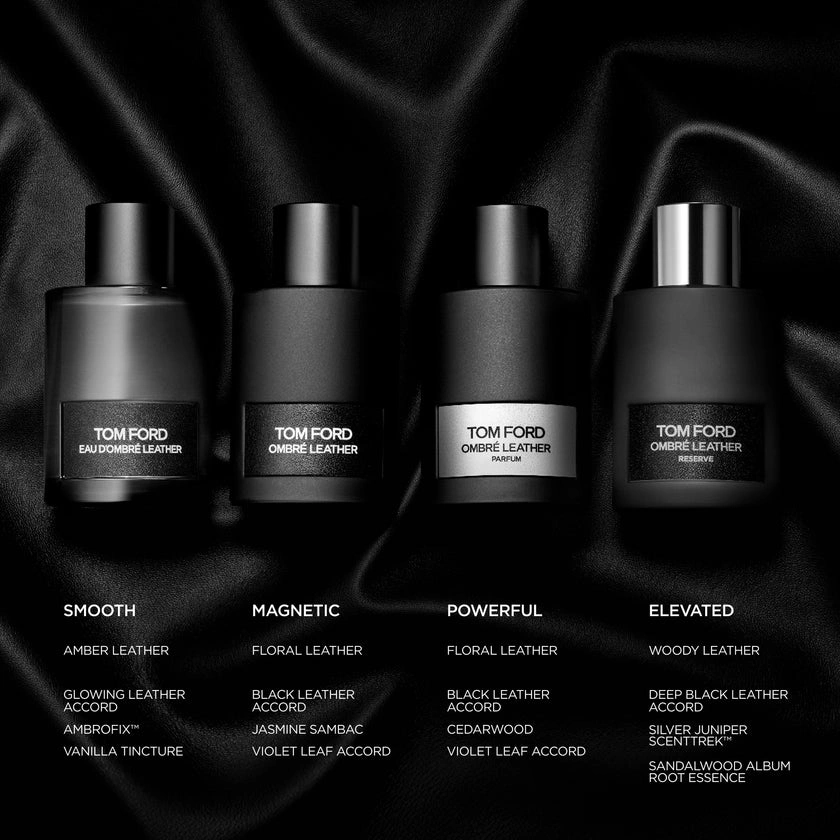
These descriptions reflect the official compositions and their intended olfactory directions. They aren’t a ranking based on comparative skin testing.
And that brings us to an important point.
The four fragrances shouldn’t be understood as a simple ladder of concentration or performance.
Eau d’Ombré Leather doesn’t automatically become less interesting because it carries an Eau de Toilette label.
Ombré Leather Parfum isn’t necessarily the best choice because its name sounds more concentrated.
And Reserve shouldn’t be assumed to outperform everything else simply because it’s the newest addition.
The differences are primarily about composition.
Which, frankly, is a considerably more interesting subject than arguing over which perfume survives longest on a sweater.
Which Ombré Leather Should You Choose?
The most useful question isn’t necessarily which version is strongest.
It’s which interpretation of leather appeals to you.
Those interested in warmer, ambered compositions may find the combination of vanilla, benzoin and leather in Eau d’Ombré Leather particularly appealing.
If the contrast between florals and darker materials sounds more intriguing, the original Eau de Parfum offers a different starting point.
Ombré Leather Parfum deserves attention from anyone curious about how green and woody nuances can reshape a floral-leather structure.
And Reserve is especially compelling if the idea of realistic, assertive leather surrounded by aromatic woods appeals to you.
These are starting points based on the compositions, not definitive purchasing recommendations.
The sensible approach would be to test all four on the skin before choosing.
Naturally, this is also the approach most likely to result in discovering that you want several of them.
Nobody said perfume collecting was a financially responsible hobby.
Final Thoughts: Leather Is Never Just Leather
What makes the Ombré Leather collection interesting isn’t simply that Tom Ford has created four fragrances built around the same material.
It’s how differently that material can be presented.
Leather can be softened by amber and vanilla.
Contrasted with jasmine.
Sharpened by green and woody nuances.
Or pushed toward the almost physical realism I experienced with Reserve.
Each composition explores a different aspect of the same olfactory idea.
And that’s ultimately what makes a collection worth discussing.
Not the number of bottles.
Not the number of flankers.
But whether each fragrance has something distinct to contribute.
I still have some comparative testing ahead of me before deciding which version deserves the top spot in my personal ranking.
Reserve has certainly made a strong first impression.
And judging by how quickly I fell for it, the competition may have a problem.
My bank account, meanwhile, has already surrendered.
| Editor’s note: This guide combines official fragrance information published by Tom Ford Beauty with personal observations explicitly identified in the text. Ombré Leather Reserve has been tested from a 3 ml sample. Eau d’Ombré Leather is part of my collection, but its detailed comparison is pending a fresh test. The remaining descriptions are based on official brand information rather than direct comparative testing. |