Acqua di Parma Colonia: Seven Versions Compared
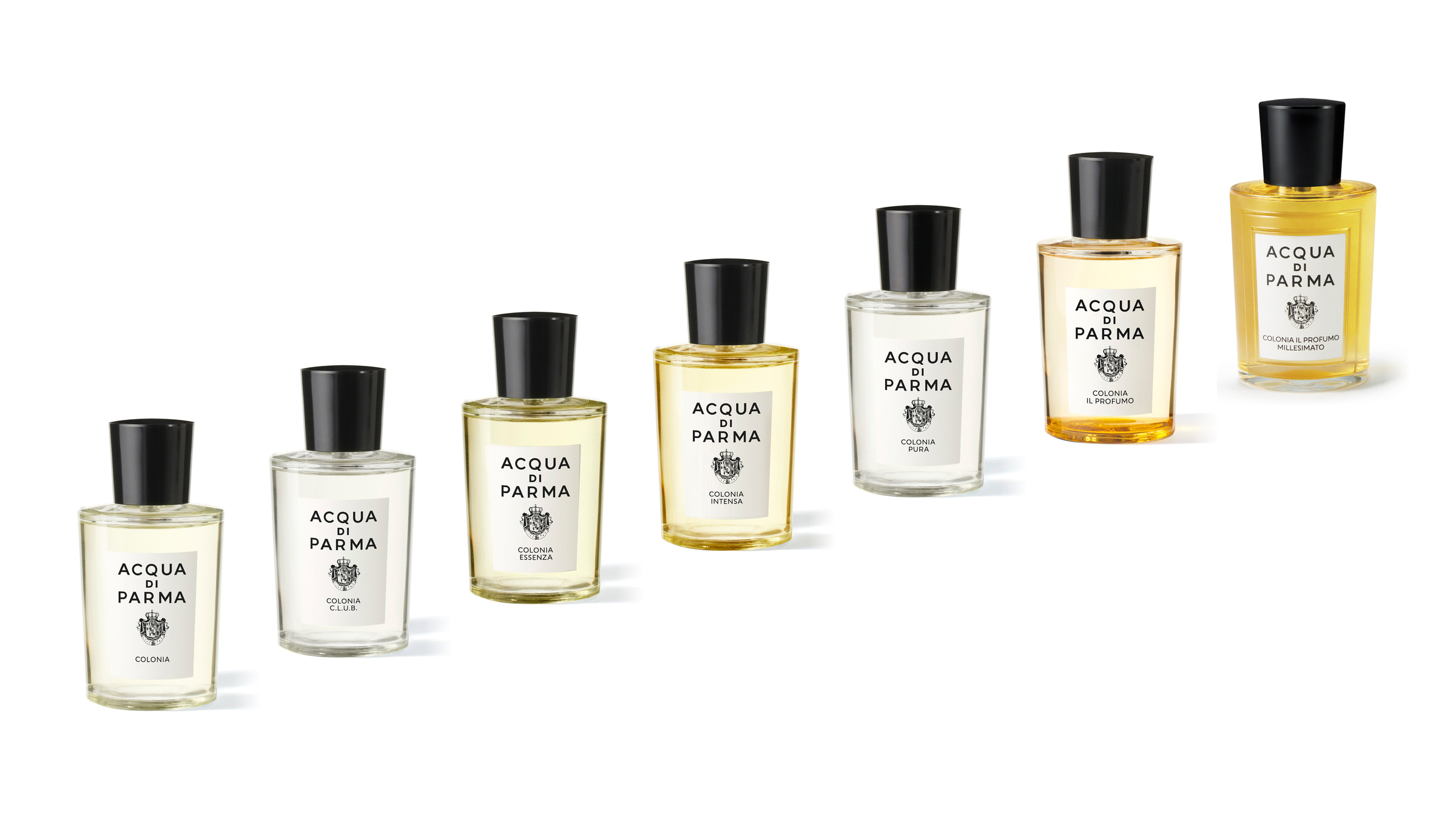
Acqua di Parma Colonia was what made me want to spend more time with the house. Then I looked at the shelf. There were seven fragrances in Acqua di Parma’s Italian Colonia catalogue, including an anniversary edition. At some point the yellow packaging started to feel less like a helpful signpost and more like a family reunion at which everyone had the same first name.
The useful question is what each fragrance does with citrus after the first spray. Some versions take it towards pepper or leather; others give the florals more room. The seven below include five Eaux de Cologne and two Eaux de Parfum. The Millesimato counts as a fragrance in its own right because the house presents it as a reworking of Il Profumo. Gift sets, bottle sizes and festive packaging stay out of the count. My comments on wearing Colonia come from my review of the original; for the other six, I’m using the house’s descriptions. This isn’t a side-by-side skin test.
Acqua di Parma Colonia at a glance
| Fragrance | Concentration | Selected official notes | What to look for |
|---|---|---|---|
| Colonia | Eau de Cologne | Lemon, sweet orange and Calabrian bergamot; lavender and rosemary; vetiver and sandalwood. | The original citrus-and-herbs reference point. |
| Colonia C.L.U.B. | Eau de Cologne | Bergamot, lemon and pink and black pepper; shiso and rosemary; cedar and musk. | Pepper and green herbs. |
| Colonia Essenza | Eau de Cologne | Grapefruit, neroli and petitgrain; aromatic florals and clove; vetiver, patchouli and white musk. | Citrus with a more explicitly woody framework. |
| Colonia Intensa | Eau de Cologne | Bergamot, lemon, cardamom and ginger; myrtle and neroli; leather, cedar and patchouli. | Citrus and spice over a leather accord. |
| Colonia Pura | Eau de Cologne | Bergamot and orange; coriander, jasmine sambac and narcissus; cedar, patchouli and musk. | The airier floral and musky direction described by the house. |
| Colonia Il Profumo | Eau de Parfum | Blood orange and grapefruit; rosemary, ylang-ylang and orange leaf; vetiver and patchouli. | Citrus with a fuller aromatic and floral heart. |
| Colonia Il Profumo Millesimato | Eau de Parfum · limited edition | Bergamot, blood orange, grapefruit and petitgrain; 2024 ylang-ylang, rosemary and orange leaf; vetiver and patchouli. | Il Profumo revisited around a specific ylang-ylang harvest. |
The differences above are a way to choose what to smell first, based on the published compositions. Note lists don’t tell us how much of each material is in the formula, and concentration alone won’t tell you how loudly one of these will wear.
Colonia: start with the original
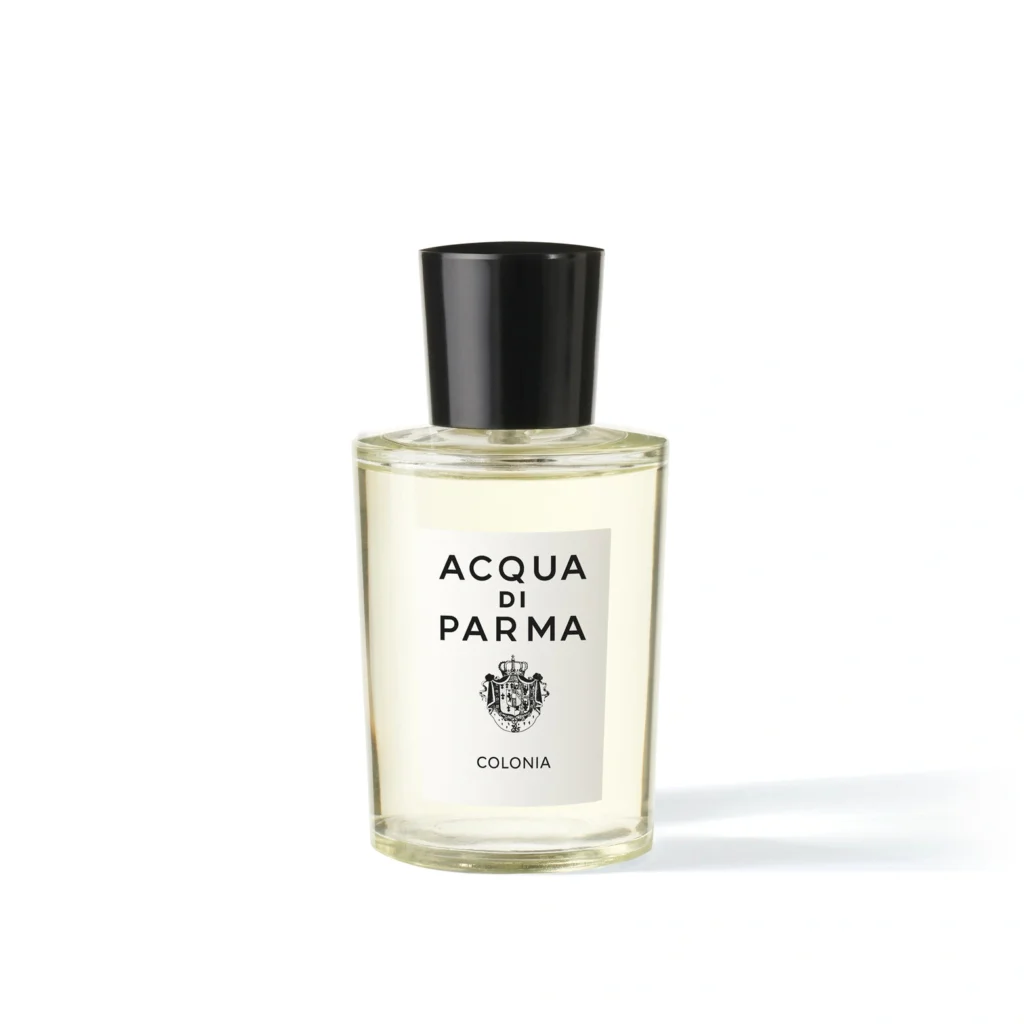
Acqua di Parma dates Colonia to 1916. On paper, lemon, orange and bergamot are the obvious headline; lavender and rosemary give that opening a more aromatic context, with vetiver and sandalwood among the base notes. On my skin, what stayed with me was the quiet elegance of the whole thing. It didn’t need a dramatic turn to hold my attention. This is where I’d start to understand what the others are working from.
Colonia C.L.U.B.: try the pepper and shiso
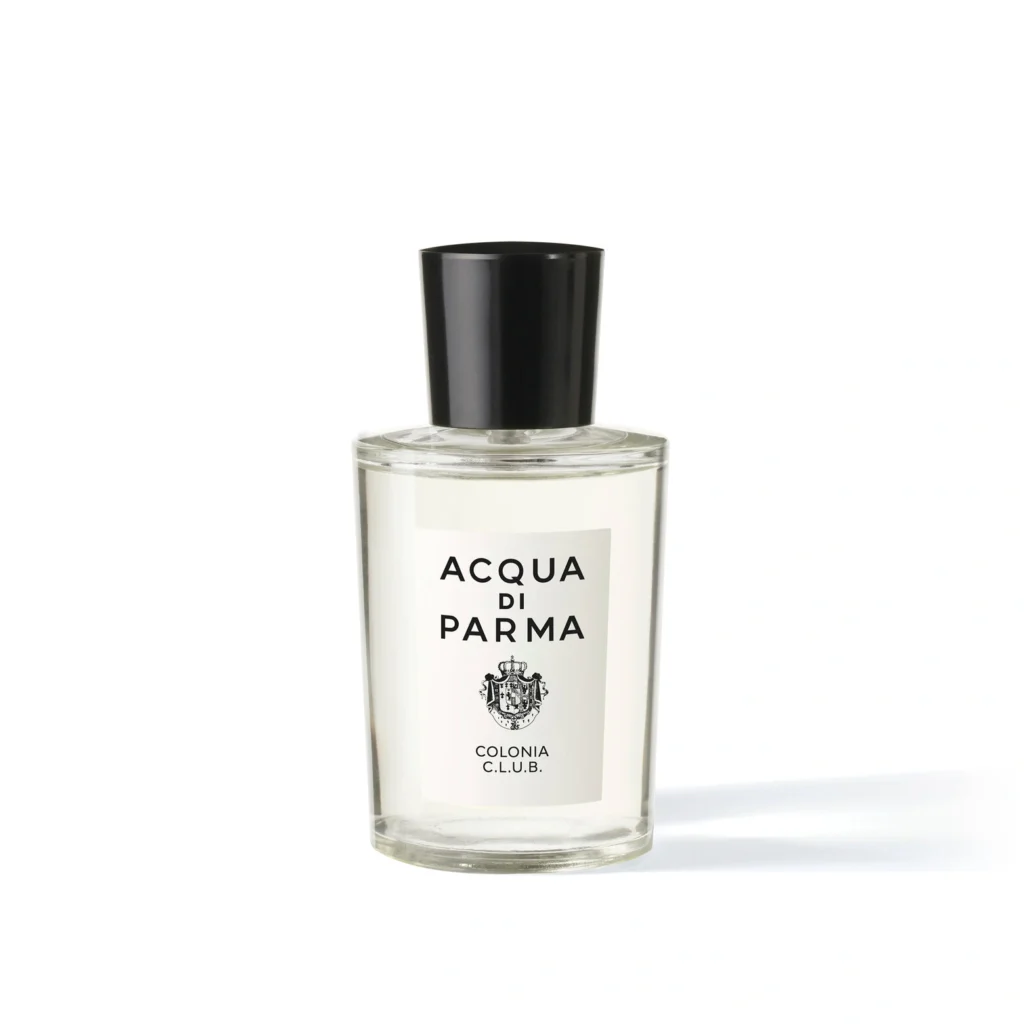
Colonia C.L.U.B. puts pink and black pepper next to bergamot and lemon, then pairs shiso with rosemary over cedar and musk. I’d try it next to the original for the herbs: both list rosemary, but C.L.U.B. gives it the company of shiso and a peppery opening.
Colonia Essenza: follow the citrus into woods
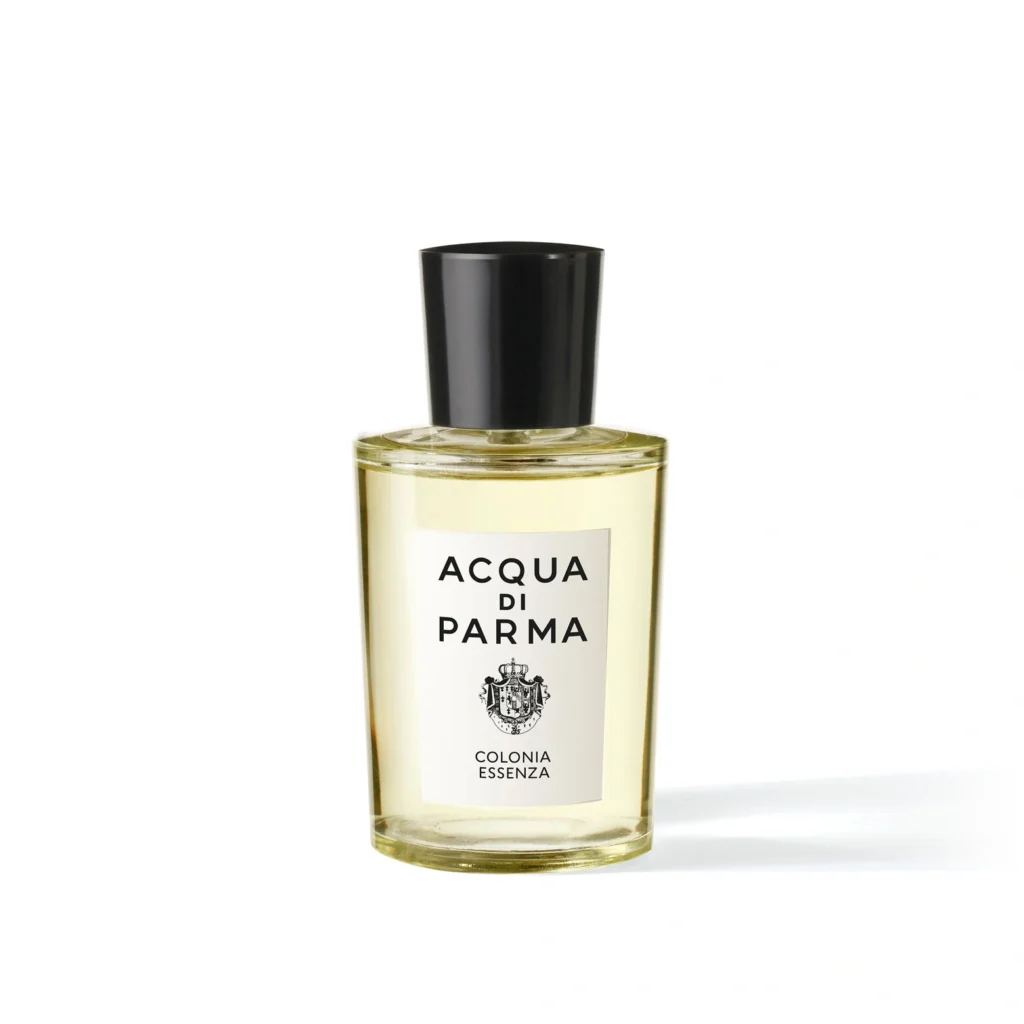
The Essenza formula is described by the house through a broad citrus opening that also includes neroli and petitgrain. The more useful clues when you’re choosing between bottles may be further down the list: clove in the heart, vetiver, patchouli and white musk in the base. It’s still an Eau de Cologne. If I liked the opening of the original and wanted to see what happened when the composition put more emphasis on its woody side, this is the one I’d put on the other wrist.
Colonia Intensa: look for the leather
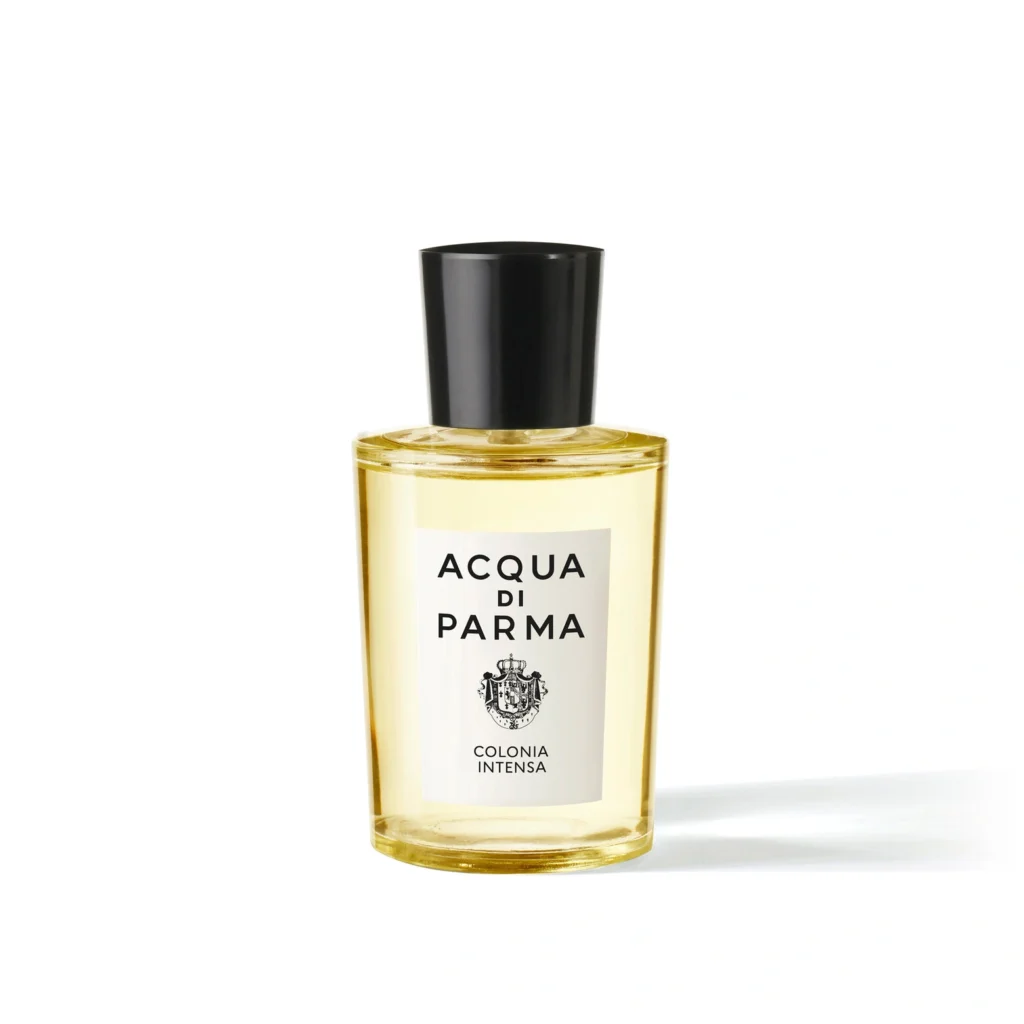
Colonia Intensa is still an Eau de Cologne. The useful clue is the leather accord in the base, where it sits alongside cedar, patchouli, benzoin and musk. Cardamom and ginger are listed with the opening citrus. If you’re choosing between Intensa and Essenza, I’d let both settle on blotters and see whether you’d rather follow the leather or the woods and white musk.
Colonia Pura: give the florals some room

Pura’s official description puts jasmine sambac and narcissus alongside coriander, with cedar and musk underneath. The citrus is still there, but the house tells the story through airiness and softer florals. For someone drawn to the floral side of fresh fragrances, it offers a different place to start. I’d pay particular attention to what happens after the citrus settles, when those details might have a chance to make themselves known.
Colonia Il Profumo: a fuller aromatic heart
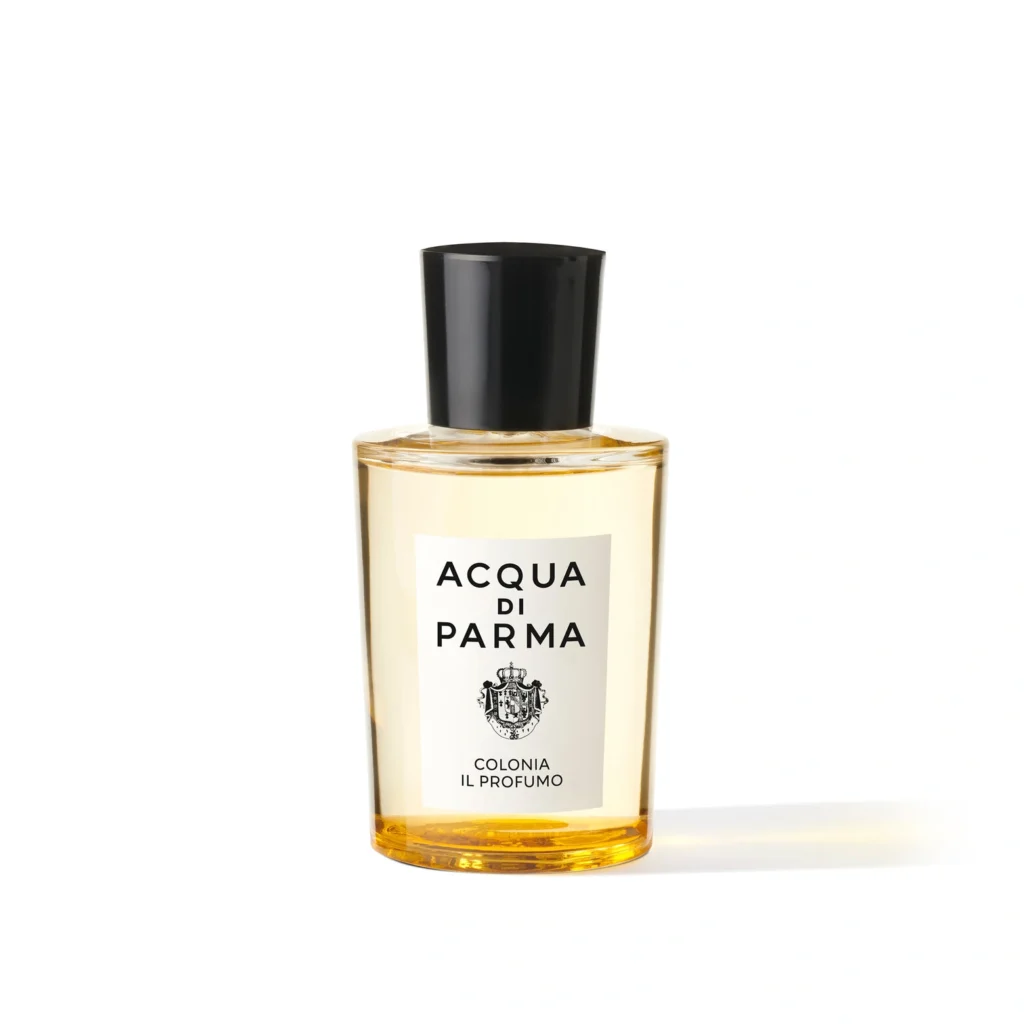
Il Profumo reworks the Colonia idea as an Eau de Parfum. Blood orange and grapefruit are part of the opening, while ylang-ylang and orange leaf join rosemary in the heart. That change in emphasis is more interesting to me than the change of concentration on the label. If you first spotted it in the Holiday Collection, the festive packaging is a useful way to recognise that edition; the official note list is a better reason to put the fragrance on a blotter.
Colonia Il Profumo Millesimato: compare the two ylangs

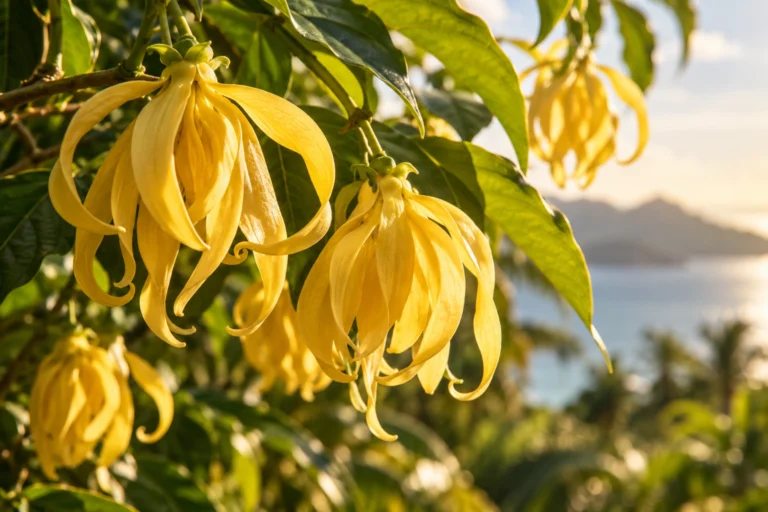
Colonia Il Profumo Millesimato is a limited Eau de Parfum made for the house’s 110th anniversary. The published note lists are close: both versions have the same four notes in the opening and vetiver and patchouli in the base. The point of the Millesimato is the white fraction of ylang-ylang from the 2024 harvest on Nosy Be, Madagascar. If you can smell both, put them on separate strips and return to them after the citrus has settled. That’s where I’d look for the difference the house describes.
Which two would I try first?
If you’re new to the line, start with Colonia and pick one contrast. Try C.L.U.B. for pepper and herbs, Essenza for woods, Intensa for leather or Pura for the softer floral direction. If you’re drawn to ylang-ylang, make your pair Il Profumo and Millesimato. Whatever you choose, write the names on the blotters. Seven strips labelled “the yellow one” will get you precisely nowhere.
Want to start with the original? Read my Acqua di Parma Colonia review for what it was like to live with on skin.