Galbanum in Perfumery: The Beauty of Bitter Green
Some perfume notes arrive with flowers, sweetness and an excellent set of manners. Galbanum in perfumery has other ideas. It is bitter, sharply green, resinous and sometimes almost confrontational: the olfactory impression of snapping a stem, crushing leaves or walking into a garden that has no intention of smelling like a bouquet.
I have a particular affection for this unruly shade of green. Not because it always makes a fragrance easy to wear, but because it can make a perfume unforgettable. And some of my most vivid fragrance memories, including a rather impulsive purchase in Paris, are connected to perfumes that use it.
What Is Galbanum? A Plant, a Resin and a Very Green Smell
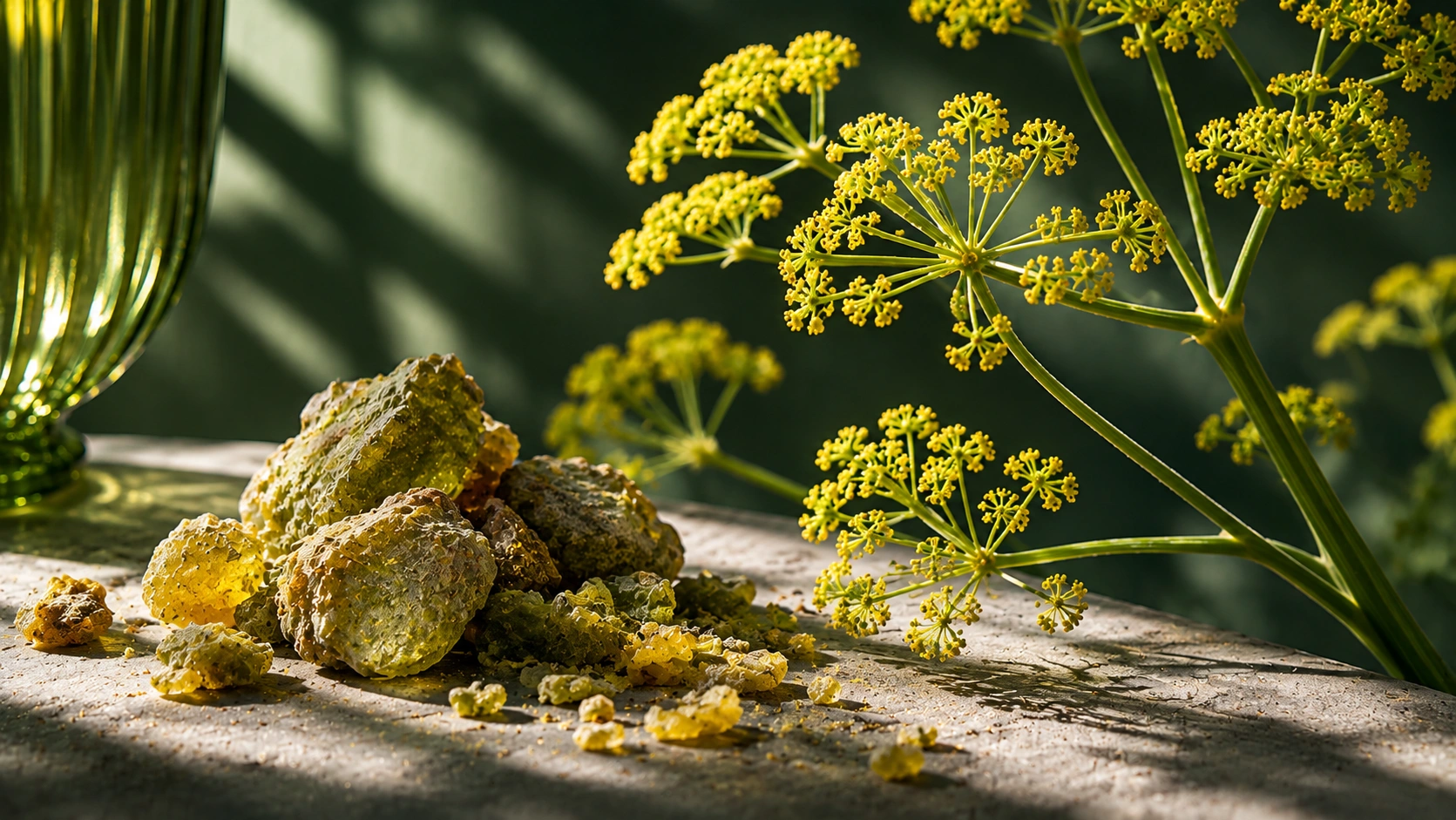
Galbanum is a fragrant gum resin obtained from plants in the Ferula genus, particularly Ferula gummosa, from Iran and nearby regions. These are members of the Apiaceae family, which also includes familiar herbs such as fennel. The plant produces a milky exudate that can be collected and allowed to thicken into resin.
Forget the perfect transparent amber crystals that sometimes appear in fantasy ingredient photography. Real galbanum can look like irregular, sticky or hardened masses, ranging from yellowish and olive green to brown. It is not designed to win a beauty contest. Fortunately, its real talent is olfactory.
Galbanum has a history that reaches well beyond contemporary perfumery. It was used in ancient aromatic preparations and is mentioned as an ingredient in incense in the Book of Exodus. Its place in modern fragrance composition, however, is what makes it especially fascinating today.
What Does Galbanum Smell Like?
The simplest answer is green, but that barely scratches the surface. Galbanum may suggest freshly broken stems, leaf sap, bitter greenery, pine needles, green pepper and dry resin. At times it can feel earthy or slightly metallic. Depending on the material and the composition around it, it can be bracingly sharp or unexpectedly elegant.
The crucial distinction is between an airy, realistic botanical freshness and the deeper, almost sombre green character a resinous material can provide. Galbanum can offer both, but not necessarily at the same time or in the same proportion.
It also reminds us that green is not always a synonym for clean, gentle or easy. Some of the most exciting green fragrances have a wonderfully stubborn streak.
| For a deeper look at this fascinating material, The Perfume Society explores galbanum’s distinctive green character and its importance in classic perfumery. |
Galbanum Essential Oil vs Resinoid: Why the Difference Matters
Perfumers can work with different preparations of the raw material. Steam distillation produces galbanum essential oil, often prized for its vivid, piercing, vegetal brightness. Solvent extraction can produce a galbanum resinoid, generally denser, darker and more balsamic, with a useful role in giving depth and persistence to a composition.
These are related materials, not interchangeable labels. An oil can help provide the sensation of crushed green vegetation, while the resinoid can support the structure underneath. Actual effects depend on quality, dosage and the rest of the formula.
This is also why the listed note of galbanum does not prove that every perfume uses the same material in the same way. A brand’s note pyramid communicates an olfactory idea, not necessarily a complete ingredient list.
How Galbanum Helped Shape Classic Green Perfumery
Galbanum is associated with some of the great green compositions in perfume history, from Balmain Vent Vert to Chanel N°19. Its sharp character brought an almost architectural edge to florals, chypres and woody arrangements: a way to give a fragrance definition rather than simply sweetness or softness.
It works particularly well when contrasted with ingredients that smooth or complicate its character: iris, violet, hyacinth, woods, mossy accords and musks. That friction is part of its appeal. A good green fragrance does not always aim for harmony in the polite sense. Sometimes the beauty lies in the contrast.
Four Perfumes, Four Ways to Wear Galbanum
The following fragrances are not theoretical recommendations assembled from a note database. They are perfumes I have actually owned, worn or experienced. Each shows a different face of green perfumery, though my impressions reflect the fragrances as complete compositions, not isolated experiments with galbanum.
Chanel N°19 Poudré: A Paris Memory
I first encountered Chanel N°19 Poudré during a trip to Paris. My immediate reaction was hardly the poetic description you might expect: for one strange instant, it reminded me of cigarette smoke.
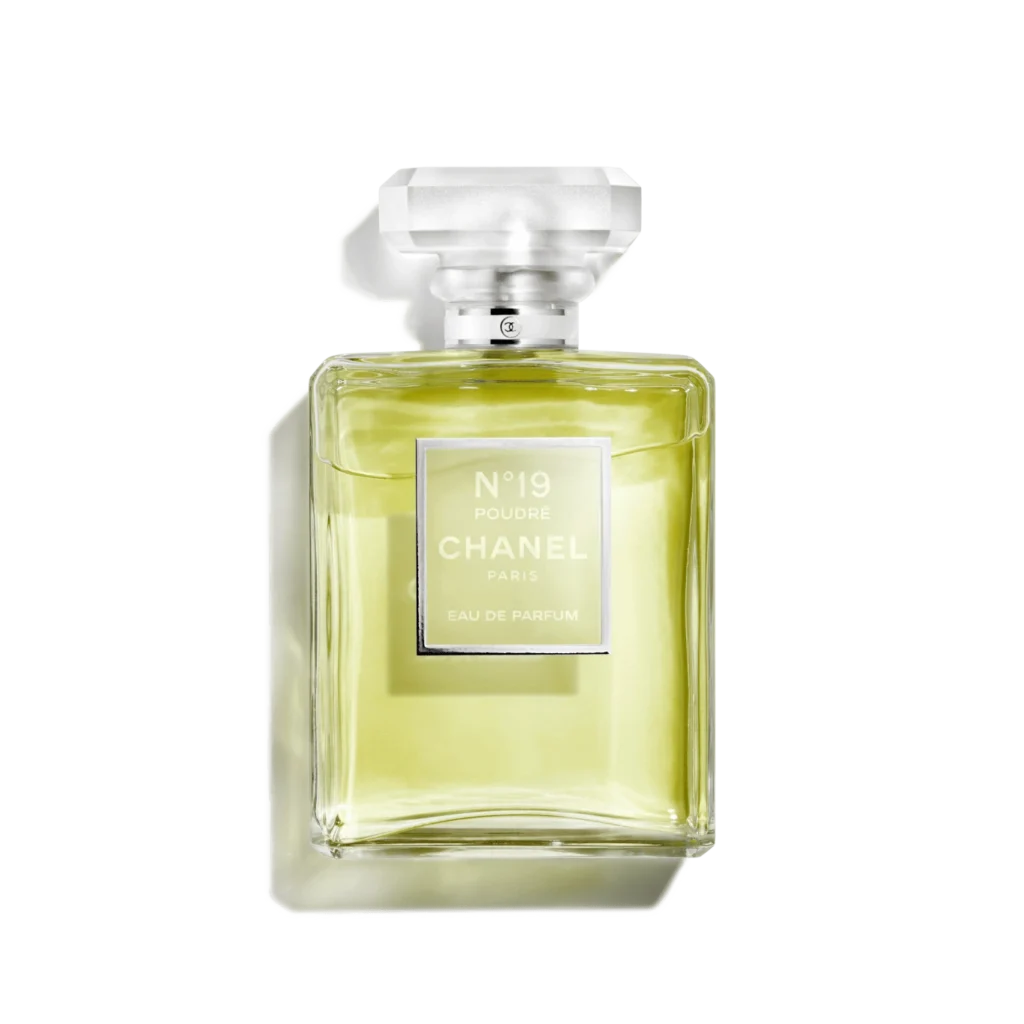
Ten minutes later I was at Printemps buying a full-size bottle. Fragrance collecting is an exceptionally rational hobby, obviously.
What happened between those two moments? Something about that unexpected sharpness became completely captivating. Chanel describes Poudré as a softer interpretation of N°19, built around the house’s celebrated galbanum–iris accord and softened by white musks. The interplay between green tension and powdery texture helps explain why it can be both unusual and impeccably composed.
That initial cigarette association was entirely my own. It does not mean galbanum literally smells of tobacco, nor that everyone will experience the perfume the same way. But it is precisely the kind of surprising first impression that can make a fragrance memorable.
Maison Martin Margiela (untitled): Green Without Compromise
I still have a bottle of (untitled) in its original formulation, and I consider it a small masterpiece: beautiful, strange, different, and completely unwilling to behave like an ordinary crowd-pleaser.
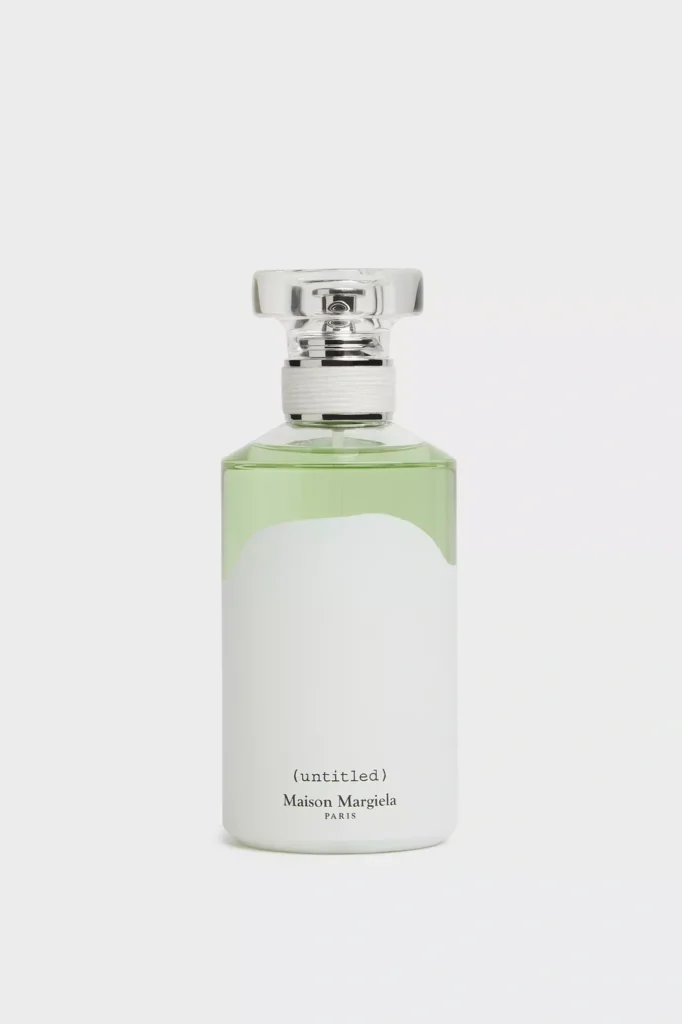
Created by Daniela Andrier and launched in 2010, (untitled) is especially useful for understanding galbanum because Maison Margiela lists both galbanum essence in the opening and galbanum resinoid in the heart. Boxwood, bitter orange, lentiscus, jasmine, incense, cedar and white musk complete its official olfactory picture.
The result, as I remember it, is an uncompromising green personality, with an almost raw, deliberately unconventional beauty. This is not greenery applied as decoration. It feels like the entire point of the perfume.
Jacques Fath Vetiver Gris: Green With a Crunch
Jacques Fath is a house I find consistently interesting, even if it does not seem to generate the same endless online conversation as some louder names. Vetiver Gris is a particularly good example.
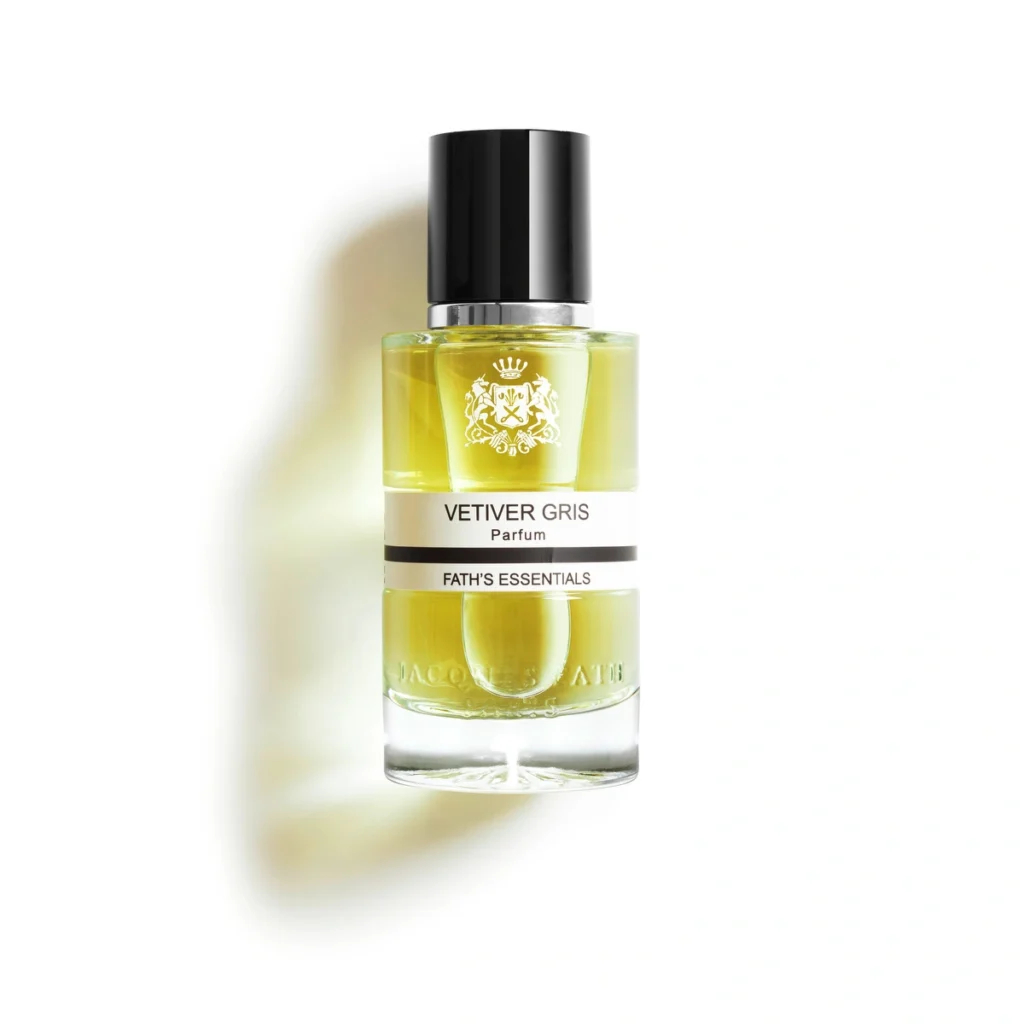
There is an intriguing, almost crunchy quality to its green character. That is the word I keep returning to. Not sugary, not edible, but crisp and textured, as if the fragrance has some resistance when you bite into its freshness.
The official formula description places galbanum resinoid in the heart beside neroli and geranium, with vetiver and iris materials supporting the base. Mandarin, bitter orange and a hazelnut accord add an unexpected angle. The combination demonstrates how a classical green material can feel lively and contemporary instead of nostalgic.
Atkinsons Posh on the Green: The Polite Side of Green
Not every galbanum fragrance needs to sound like an argument. Atkinsons Posh on the Green shows another possibility: an aromatic green character with a more relaxed, well-dressed personality.
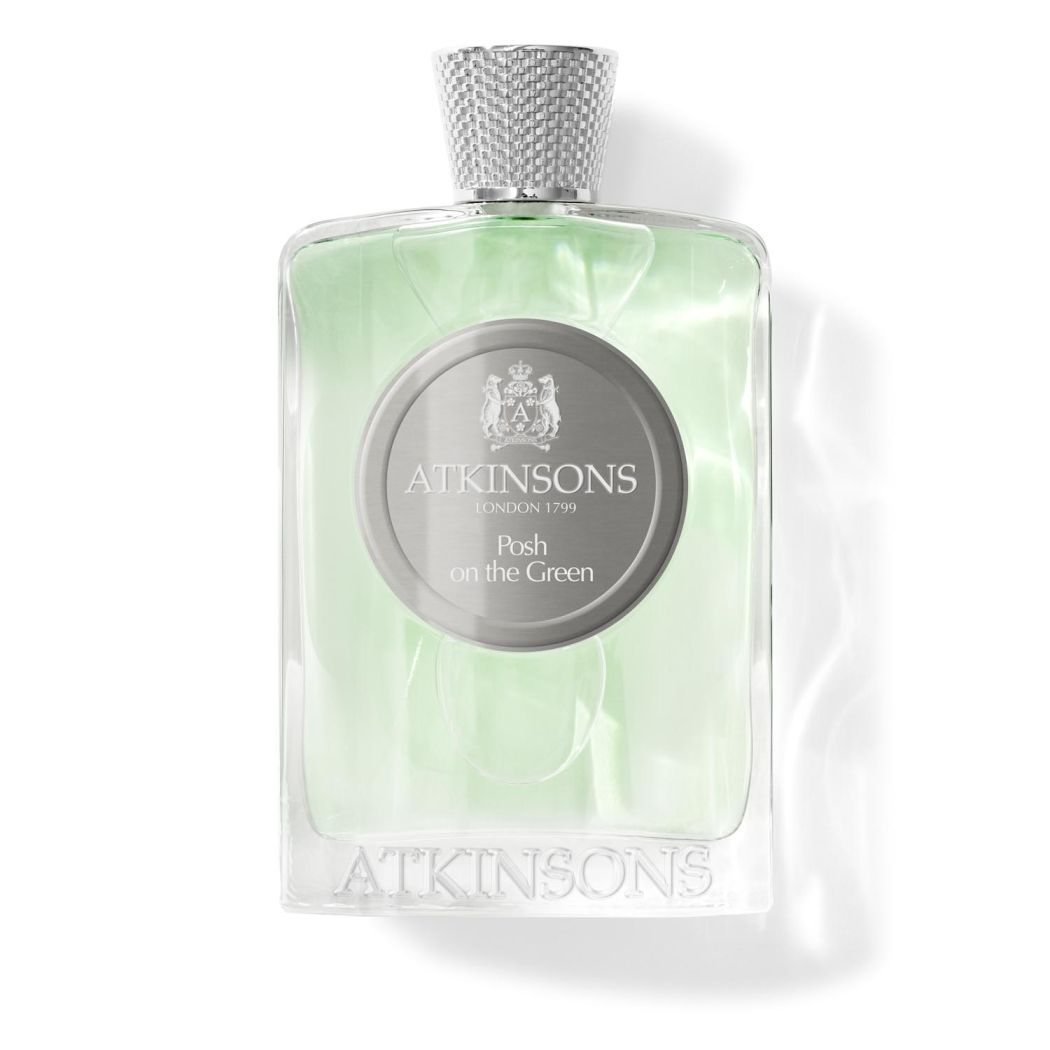
Its commonly listed composition includes petitgrain and coriander, a heart of galbanum, mint and rose geranium, and a base of vetiver and cedar. It is a useful reminder that galbanum can contribute freshness and definition without insisting on being the loudest ingredient in the room.
I have already explored this fragrance in a dedicated Posh on the Green review, so there is no need to turn this section into another full assessment.
Why Galbanum Still Matters
Modern perfumery has no shortage of easy-to-like, immediately legible fragrances. There is nothing inherently wrong with that. But materials like galbanum remind us that beauty can also be bitter, angular, unusual and a little challenging at first.
It does not guarantee originality, and its presence on a note pyramid is not a certificate of artistic merit. What matters is the way a perfumer uses it: as a sharp green flash, a resinous foundation, a bridge to iris or vetiver, or simply a counterweight to something softer.
If you are curious about one of its most elegant companions, our guide to iris in perfumery explores why that famously powdery note can also feel earthy, woody and unexpectedly austere.
Final Thoughts: The Beauty of Bitter Green
Of all the things galbanum can teach us, my favourite might be that the first impression is not always the final verdict. I walked into a Paris perfume encounter thinking of cigarette smoke and walked out of Printemps with a bottle of Chanel N°19 Poudré. I still treasure my original (untitled), admire the almost crunchy green edge of Vetiver Gris, and appreciate the restrained charm of Posh on the Green.
Four very different encounters, connected by a note that refuses to be reduced to a polite little leaf in a perfume pyramid.
Galbanum is not necessarily pretty in the conventional sense. That is exactly why it deserves an article.
Editorial note: The personal passages describe the author’s own experiences with the named perfumes. Note lists and botanical information are based on published brand and reference materials; the perception of a complete fragrance cannot be attributed to one isolated ingredient with certainty.
| More than just a list of ingredients. Explore our Perfume Notes guides for the materials and accords that give fragrance its character. |