
How to Test a Perfume
How to smell past the first spray, the hype and your own expectations.
A practical guide for anyone who has ever loved the opening, hated the drydown, bought the bottle anyway and called it research.
How to test a perfume sounds like a simple question. Spray it, smell it and decide whether you like it. In theory, that is all. In practice, perfume has an inconvenient habit of changing its mind after twenty minutes, behaving differently on skin and convincing us that a beautiful bottle is an olfactory note.
There is no laboratory exam to pass and no single correct way to experience fragrance. You do not need specialist vocabulary, a trained nose or the ability to identify seventeen varieties of sandalwood before breakfast. You only need enough time and honesty to notice what the perfume is actually doing, rather than what the marketing, the price or everybody else has told you it should do.
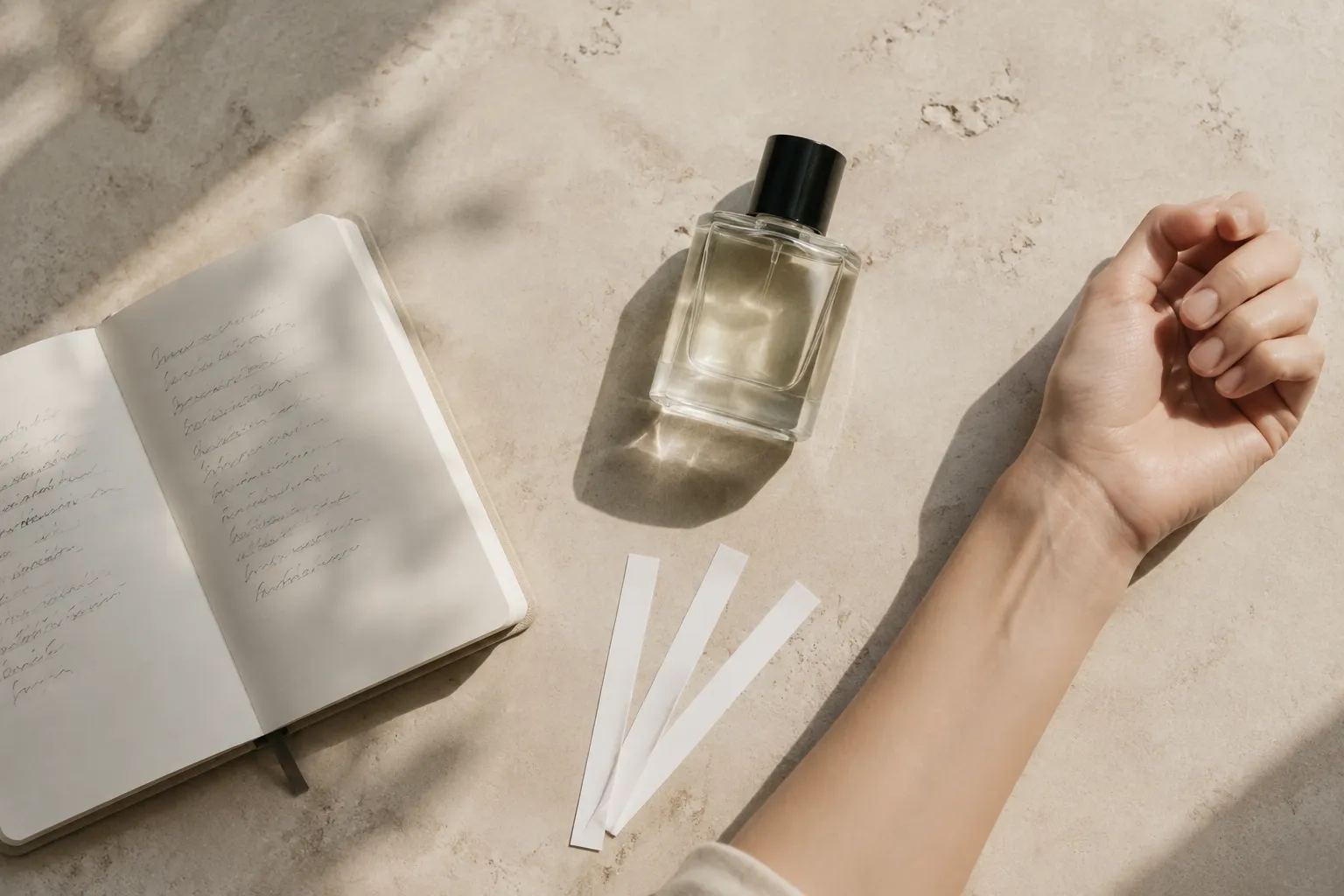
1. Start on paper, but do not end there
A blotter is useful when you are comparing several fragrances or deciding which ones deserve more attention. It keeps the first round manageable and saves your arms from becoming a department store battlefield.
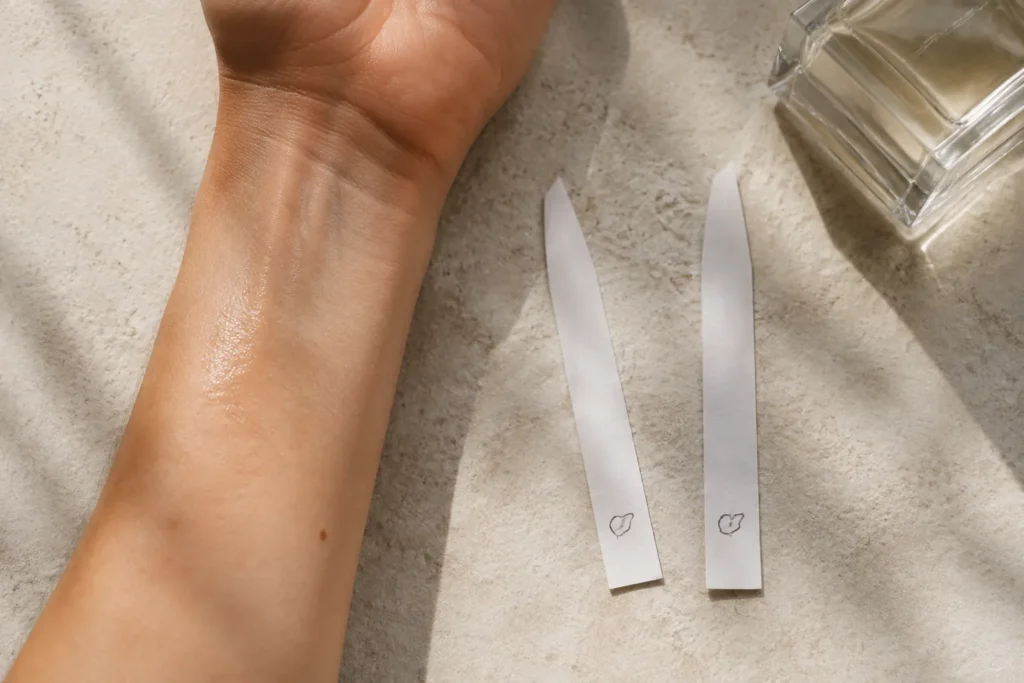
But paper cannot tell you the whole story. Heat, skin and time can change the way a fragrance develops and how prominent certain facets feel. If something interests you on a blotter, test it on skin before making a final decision. The goal is not to prove that skin is magically superior. It is simply the surface on which you will actually wear the perfume.
2. Do not judge the entire relationship by the opening
The opening is a first date. Everyone is trying to make an impression. Citrus sparkles, spices perform and alcohol briefly announces that chemistry has entered the room.
Some fragrances reveal their character immediately. Others need time to settle, soften or become stranger. Smell the perfume after a few minutes, then return to it later. Pay attention to what disappears, what grows louder and what remains when the initial performance is over. You are not required to love every stage, but you should know which stage you are buying.
3. Test fewer fragrances at a time
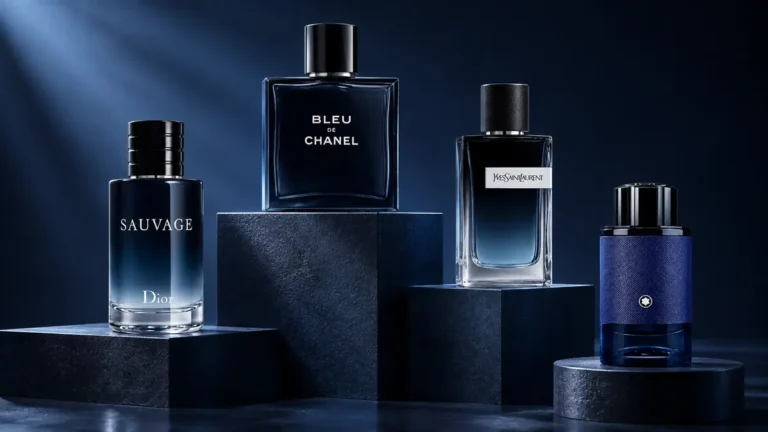
Smelling twelve perfumes in quick succession may feel productive, but after a while everything becomes an expensive floral blur. There is no universal maximum because sensitivity varies, but stopping when the distinctions begin to disappear is more useful than forcing yourself through the entire shelf.
Choose a small group, take notes and come back another day if necessary. One exploratory study found that coffee beans performed no better than lemon slices or plain air as a “nasal palate cleanser”. Fresh air, a neutral environment and a little time are usually much more helpful.
4. Wear it for an ordinary day
A quick spray in a shop tells you whether a perfume deserves further attention. A full wear tells you whether you actually want it in your life.
Wear it while working, traveling, sitting at home or doing whatever normally fills your day. Notice whether you keep reaching for your wrist, forget about it completely or start wishing you could remove your own skin. All three reactions are useful information.
This is also where you discover whether the perfume feels comfortable around you. Not whether it is officially suitable for the office, summer, a wedding or a mysterious rooftop encounter at midnight. Perfume does not need a dress code. You only need to know how you feel while wearing it.
5. Try it more than once
One test can be enough to recognize immediate love or absolute rejection. Everything between those two extremes deserves another chance, especially if the fragrance is unfamiliar or challenges your usual taste.
Mood, environment and expectation can color a first impression. Testing again does not mean forcing yourself to appreciate something because the internet has declared it a masterpiece. It simply gives the perfume a fairer hearing. If you still dislike it, congratulations, you now dislike it with evidence.
6. Separate the perfume from the story around it
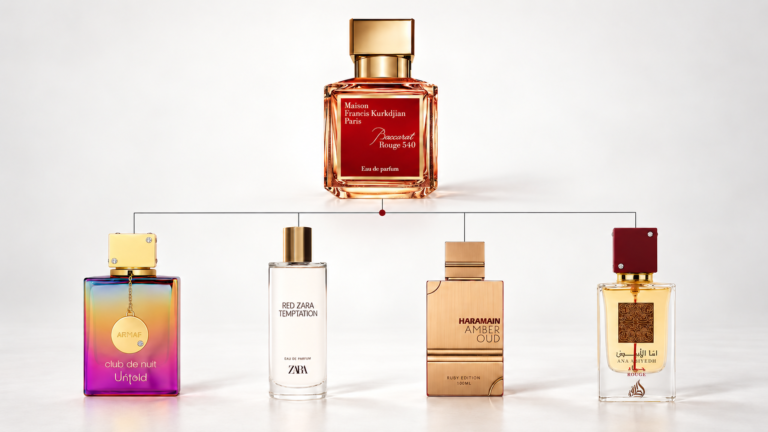
Price, packaging, scarcity and reputation all influence perception. A heavy cap can make mediocrity feel surprisingly luxurious. A waiting list can turn curiosity into desire. A niche label can make us search for complexity, while a designer name can make us dismiss something before it has had a chance.
When testing, ask a brutally simple question: if this came in an anonymous bottle and nobody could see it on my shelf, would I still want to smell like this? The answer does not have to be noble. Sometimes the bottle is part of the pleasure, and that is allowed. It is just useful to know what exactly you are paying for.
7. Use notes as clues, not instructions
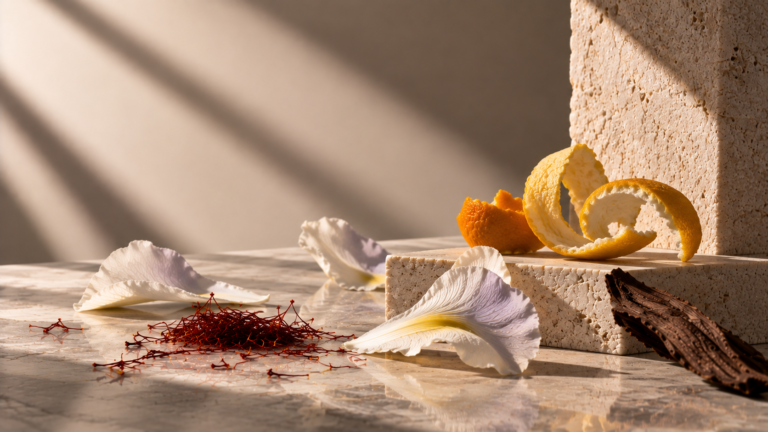
A list of notes can help you understand the intended direction of a fragrance, but it is not a shopping list of literal ingredients and it should not overrule your nose. You may read vanilla and smell smoke. You may read rose and think of cold metal, lipstick or damp earth.
Your impression is not wrong because it does not match the pyramid. Descriptions are maps, not the territory. Smell first when possible, then use the notes to explore what you noticed rather than to correct it.
8. Pay attention to performance, but decide what matters to you
Longevity and projection are easy to turn into numbers, which makes them look objective and important. They can matter, especially when price is involved, but louder and longer do not automatically mean better.
Ask whether the fragrance lasts long enough for the way you enjoy wearing it. A quiet perfume can be beautiful. A powerful one can be exhausting. Performance is part of the experience, not the final verdict.
9. Sample before buying when you can
A sample gives you freedom to test without the pressure of making an immediate decision. It also creates enough distance for the first excitement to calm down, which is useful because excitement has purchased many bottles that later became decorative furniture.
Sampling is particularly sensible for expensive fragrances, unfamiliar styles and anything you only know through reviews. Nobody else has your skin, your memories or your tolerance for aggressive ambroxan. Recommendations can narrow the search, but they cannot smell for you.
10. Keep simple notes
You do not need a spreadsheet with forty seven columns unless spreadsheets bring you joy. A few honest observations are enough: what you noticed first, how it changed, how it made you feel and whether you wanted to wear it again.
Avoid writing only the official notes. “Rose, oud, vanilla” tells you what the product page already knows. “A bright rose that becomes quiet and slightly unsettling” tells you something about your experience. That is the part worth remembering.
The only test that really matters
Learning how to test a perfume is not about becoming more authoritative. It is about becoming less easily distracted. Give the fragrance time, try it on skin, separate your response from the surrounding noise and pay attention to whether you genuinely want to return to it.
And if you ignore every sensible step, blind buy the largest bottle and fall hopelessly in love, excellent. A guide should improve your odds, not remove the ridiculousness that makes perfume fun.

One Comment