
Alberto Morillas: From Givenchy Pi to Mizensir
Alberto Morillas made two perfumes I associate with the nineties that could hardly be mistaken for each other. CK One made freshness feel like something everyone could share. Givenchy Pi, which I wore back then and recently bought again, made me want to get closer to that curious, warm sweetness. Then there’s Bright Wood, a perfume for his own house, Mizensir, inspired by morning light moving across the inside of a Swiss chapel. That seems a more interesting way into his work than starting with a list of everything he’s ever signed. We’d be here a while.
Alberto Morillas, from Seville to Firmenich
In its profile of Morillas, dsm-firmenich describes a childhood in Seville remembered through the smells of a courtyard: jasmine, clean laundry, trees and a well. The Atlantic left a different impression, one of sea air and movement. According to Mizensir’s interview with its founder, he joined Firmenich in Geneva in 1970, without formal training in perfumery. The company’s account of his career emphasises his work with research chemists and his interest in what synthetic molecules can do alongside naturals. I like that the garden and the laboratory both belong to the story. A memory can tell you what you want to evoke; it can’t tell you how to put it in a bottle.
CK One: freshness for two, or more
Calvin Klein’s CK One arrived in 1994, with Morillas and Harry Frémont sharing the creative credit. In his account for The Fragrance Foundation, Frémont recalls a brief for a shared fragrance and a practical problem: citrus could bring cleaning products to mind for American consumers at the time. In a separate interview, he describes joining the team to develop Morillas’s original proposal and recalls how green tea and Hedione HC helped give the citrus the character they wanted. That detail tells me more about the work than calling CK One a phenomenon and moving on. They had to make a fresh perfume feel at home on a person when one of its central ideas reminded people of washing the dishes.
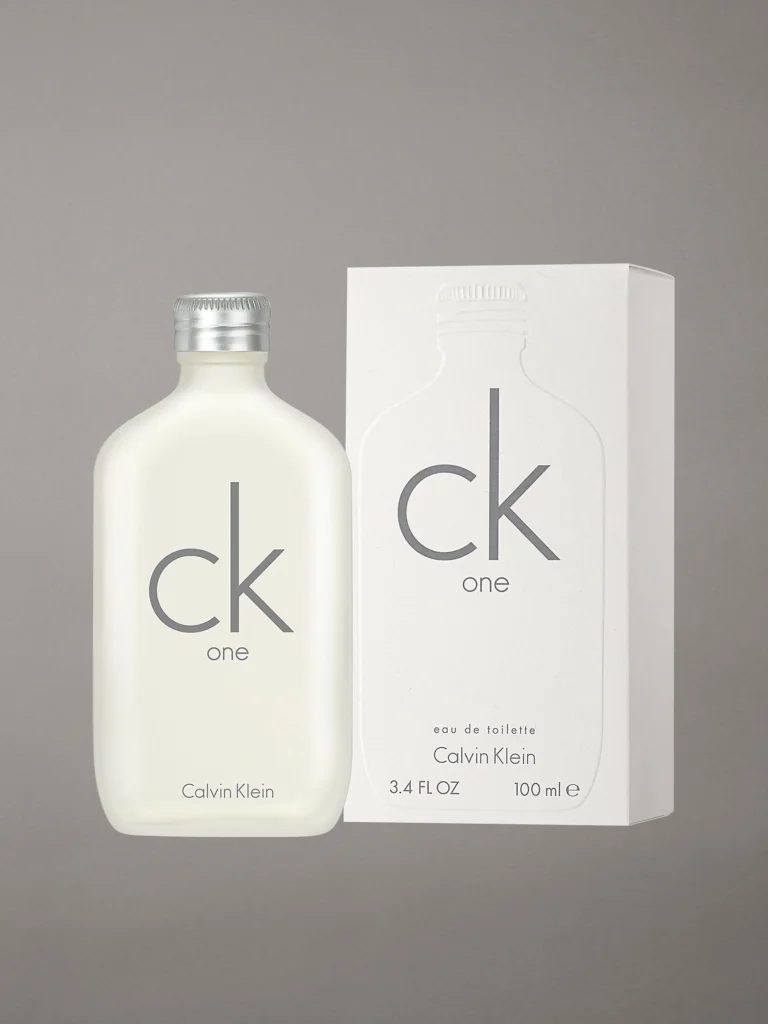
CK One belongs to my own perfume history, which makes it tempting to treat it as obvious in retrospect. But “anyone can wear it” is a generous idea and a surprisingly demanding brief. Imagine trying to make something easy to live with, distinct enough to remember and open enough that two people might both think it was made for them. No wonder the story is more interesting with both perfumers in it.
Givenchy Pi: warmth with room for air
A few years later came Givenchy Pi, the 1998 eau de toilette credited to Morillas in Mizensir’s record of his work. In my piece on returning to Pi, I described how the bottle I bought brought back that particular sweetness I remembered, along with a bright, aromatic quality I’d largely forgotten. Givenchy lists mandarin, pine needle, Infinium, ironwood and benzoin crystals. Almond and anise are associations I made on skin. As for Infinium, I still don’t know its precise composition, and giving it a mysterious name hasn’t made me any more qualified to guess.

Pi is the reason I wouldn’t reduce Morillas to fresh fragrances. To me, the lift at the opening makes its warmer side more interesting: I have time to notice the contrast before the sweetness takes over. That’s a reading of the bottle I wore, rather than a claim about the formula or about how it compares with a bottle from 1998. It’s also why these two nineties releases belong in the same portrait. One asks how to give freshness character; the other makes me wonder how much freshness can do inside something warm.
Mizensir: from scented candles to Bright Wood
Morillas started Mizensir in 1999 with scented candles; the house introduced its eau de parfum collection in 2015. I wouldn’t read that as a departure from work for other brands. What interests me is the change in starting point. With CK One, Frémont describes a brief shaped by what a new generation might want to share. With Bright Wood, Mizensir starts with a place: the Saint-Benoît chapel, pale timber and light coming through the windows at dawn.
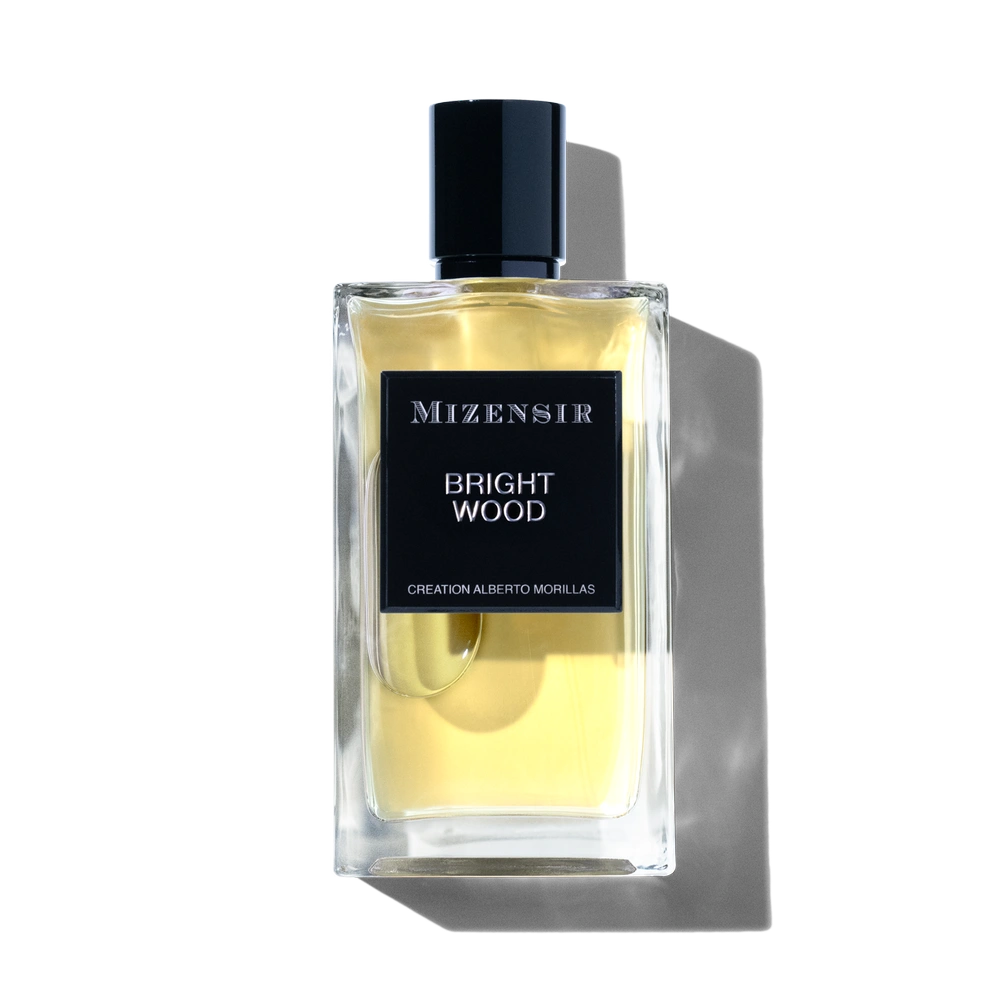
The brand describes mandarin and neroli alongside cedar, sandalwood, Cashmeran and musks. In my Bright Wood preview, what caught my attention was the decision to put light at the centre of a woody fragrance. Dawn in a chapel could so easily have gone straight to incense and ecclesiastical drama. Here, the brief seems to be about how the wood looks and feels with light on it. I haven’t tested Bright Wood for this article, so that’s why I want to smell it, rather than a verdict on what’s in the bottle.
Three perfumes, three different briefs
I came back to Pi for a memory and ended up noticing something I’d forgotten. Reading Frémont’s account of CK One gave me a similar surprise: a perfume I think of as effortless had a very specific problem to solve. Bright Wood gives me a third way of looking at Morillas, through a place he chose to turn into a fragrance for Mizensir. That’s what I’d take from these three examples. If I want to understand what a perfumer brings to a project, a more useful question than “Does this smell like him?” might be “What did he have to make work here?”
| Want to meet more of the people behind the bottles? Explore The Perfumers. Your wishlist can blame the authors this time. |