Why Perfume Performance Is Not a Personality Trait
Perfume performance has somehow become one of the loudest conversations in fragrance. How many hours does it last? How far does it project? Does it fill a room? Will somebody smell it from the opposite side of the street, ideally before I have even arrived?
These are legitimate questions. Longevity and projection are real characteristics, and they can influence whether a fragrance works for a particular person or occasion. What I do not understand is the moment when they stop being practical information and become a verdict on quality—or, worse, a personality trait.
A perfume is not automatically good because it survives a shower, a change of clothes and the collapse of civilisation. Sometimes it is simply very persistent.
I Wear Perfume for Myself
This may sound like an attempt to be impossibly sophisticated, but it is much simpler than that: I wear perfume primarily for myself.
Of course I enjoy receiving compliments. I am not going to pretend that somebody stopping me to ask what I am wearing is an unbearable violation of my artistic solitude. It is flattering. But it is a pleasant consequence, not the reason I sprayed the fragrance.
I wear perfume because I like bringing my nose to my wrist or catching it on my clothes during the day. I like the private interruptions: a trace of iris while I am working, a floral accord when I move, or something warm returning from a scarf hours later. Fragrance is part of my own experience before it becomes part of anybody else’s.
That changes how I judge performance. Projection is not one of the main criteria that determines whether I buy a bottle. I do not need every perfume to announce me before I enter a room. If other people can smell it and enjoy it, excellent. If it remains closer to me while still being perceptible, that can be equally satisfying.
Longevity matters somewhat more. A fragrance that disappears too quickly can be frustrating, especially when I want to spend time with it. Even then, poor longevity does not automatically erase everything beautiful about the composition.
Longevity and Projection Are Not the Same Thing
The word performance often compresses several different behaviours into one convenient score. Longevity describes how long a fragrance remains detectable. Projection concerns the space it occupies around the wearer. Sillage is the trail it leaves behind. These qualities can overlap, but they are not interchangeable.
A perfume may stay close to the skin for eight hours. Another may project dramatically for ninety minutes and then disappear. Calling one “strong” and the other “weak” tells us very little without explaining what actually happened.
For my own wearing habits, I would generally rather have moderate projection with decent longevity than an enormous opening followed by a rapid vanishing act. I want to continue smelling the fragrance, even if the rest of the building does not receive a formal notification.
This is also why a low-projection scent does not feel inherently defective to me. Intimacy can be part of its character. Not every composition benefits from being inflated until every detail becomes volume.
When Marketing Raises the Stakes
This is where the conversation around perfume performance often becomes unnecessarily rigid. My expectations change when a perfume is called Intense, Powerful, Elixir or Parfum, or when the campaign explicitly promises exceptional strength. Those words create a contract in the buyer’s mind. If the wearing experience is quiet and brief, the disconnect deserves to be mentioned.
That does not necessarily mean the fragrance itself is bad. It may be beautiful. The problem is that the name and promotional language have framed it as something else.
The fragrance industry uses intensity both as an olfactory idea and as a sales tool. Sometimes Intense means denser, darker or sweeter rather than objectively louder. Sometimes Parfum signals a stylistic variation more than an endurance test. And sometimes the powerful language appears to belong mainly to the press release.
We should therefore judge two things separately: what the perfume smells like, and whether it fulfils the expectations created around it. Confusing those questions produces unfair conclusions in both directions.
Beautiful, Even Without Spectacular Performance
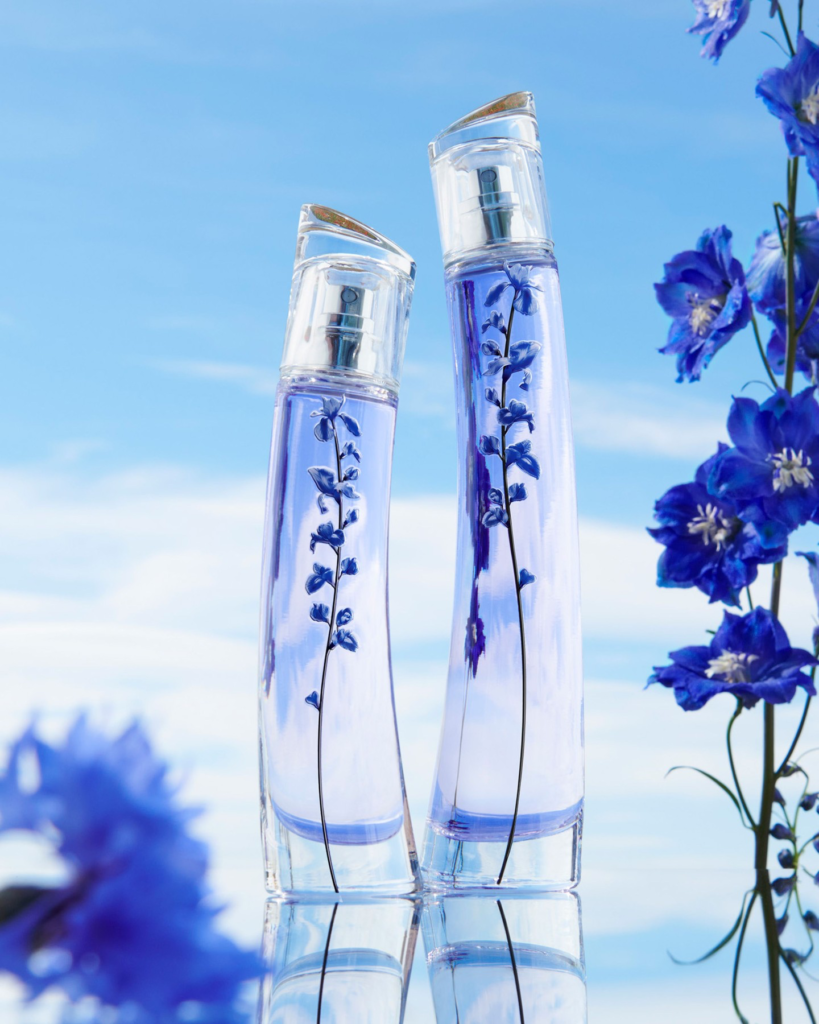
Flower by Kenzo Ikebana Indigo is a useful example from my collection. The bottle is beautiful, and the fragrance is beautiful too. It contains the iris character that reliably gets my attention. On my skin, however, its performance is not extraordinary.
That has not made me regret owning it. It was not sold to me as an olfactory weapon, and its quieter behaviour does not cancel the pleasure it gives me while it is present. I can wish that it lasted longer without pretending that duration is the only thing worth reviewing.
This distinction matters because a perfume can fail one practical preference and still succeed emotionally. If I love its texture, atmosphere or materials, I am not required to reject it because a stopwatch tells me to.
A Grand Name Does Not Guarantee a Grand Experience
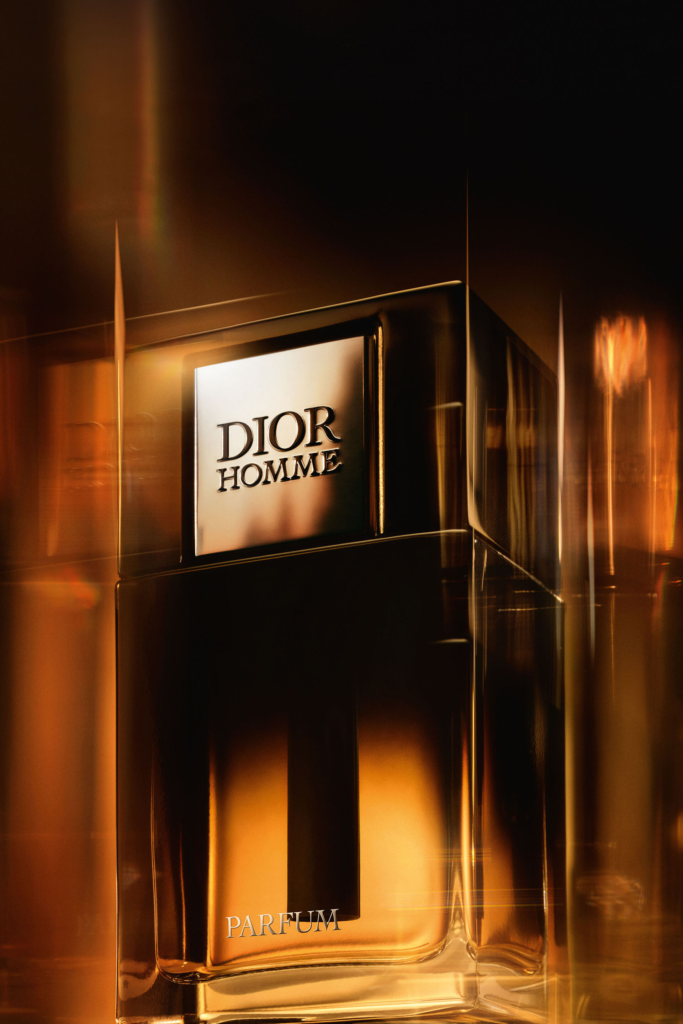
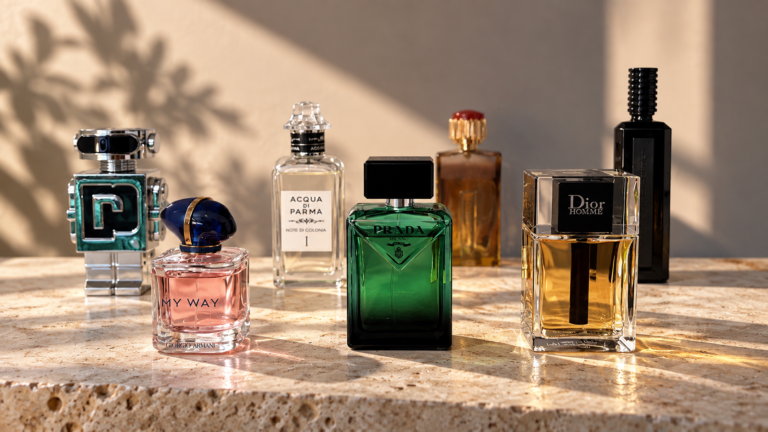
The opposite can happen too. The newer Dior Homme Parfum by Francis Kurkdjian comes in a spectacular bottle, but the fragrance itself leaves me relatively unmoved. The word Parfum naturally led me to expect an above-average wearing experience. On my skin, the performance did not feel particularly remarkable—and the composition did not compensate by making me fall in love with it.
This is not proof that the perfume performs badly on everyone. Skin, climate, application and perception all affect the result. It is simply what happened when I wore it. Performance claims become especially unhelpful when personal experience is converted into universal law.
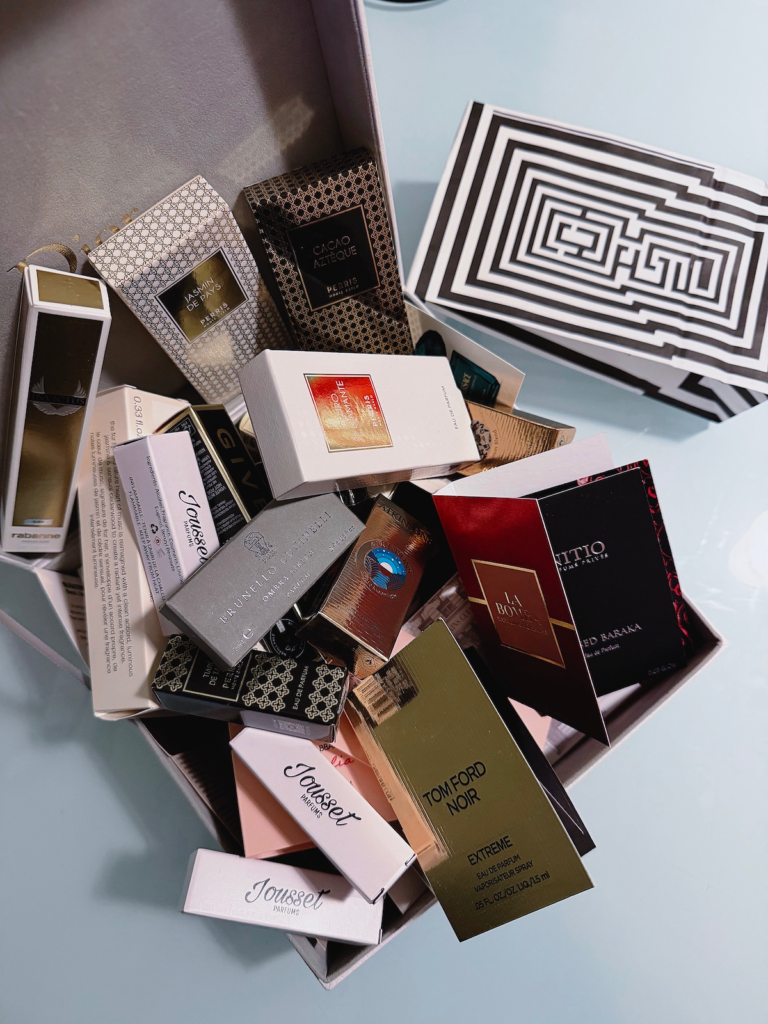
| Performance is personal Tom Ford describes Noir Extreme as discreet. On my skin, however, it is anything but: I find it remarkably powerful. A useful reminder that projection and longevity can change dramatically from one wearer to another. Read my Tom Ford Noir Extreme review → |
The important point is that greater endurance would not automatically fix my response. If the smell is merely meh to me, twelve hours of it would give me more time with something I still find meh. Longevity amplifies an experience; it does not manufacture affection.
And Sometimes the Power Is Real
Alien by Mugler still surprises me with its force. When I layer it with the matching body cream, it seems determined to remain on my skin indefinitely. It has presence, persistence and the sort of recognisable trail that explains why it became an icon.
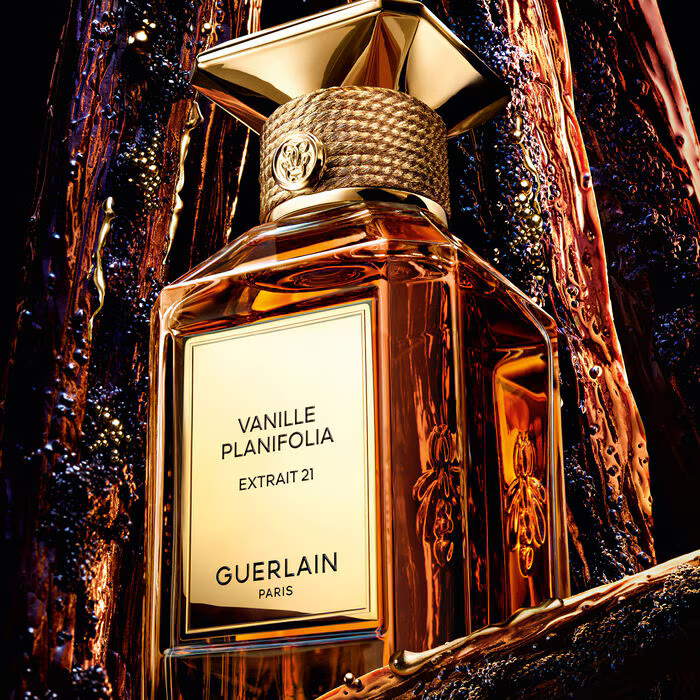
Guerlain Vanille Planifolia Extrait 21 offers another kind of satisfaction. It costs a small fortune, but on my skin it lasts beautifully. At that price, substantial performance does not feel like an irrelevant bonus. It helps the experience feel complete—and yes, I want it.
These examples are not evidence that powerful perfumes are somehow less refined. That would simply replace one silly hierarchy with another. I enjoy strength when it serves the fragrance. I enjoy intimacy when it serves the fragrance. What matters is whether the behaviour suits the composition and whether the perfume gives me a reason to keep smelling it.
The Problem With Perfume Performance as Status
Online fragrance culture can turn projection into theatre. A perfume becomes impressive because it is “beast mode”; restraint becomes weakness; applying enough fragrance to alter the weather becomes a kind of achievement.
But volume is not taste, and endurance is not character. Nobody becomes more interesting because their perfume arrives three minutes before they do. A quiet fragrance is not automatically elegant, either. These are technical behaviours, not moral categories.
The obsession also flattens criticism. When every review is reduced to hours, compliments and projection, we lose the reasons perfume is interesting in the first place: texture, contrast, development, associations, beauty, discomfort and memory. A spreadsheet can record longevity. It cannot explain why I keep returning my wrist to my nose.
What I Actually Want to Know
I still want reviews to discuss perfume performance. Readers spend real money, and they deserve useful information. I want to know whether a scent remains perceptible, whether it sits close or fills a room, how quickly it changes and whether the experience matches its name.
Discussing perfume performance is useful; treating it as the entire measure of a fragrance is not.
Tell me that a perfume lasts three hours on your skin. Then tell me whether those three hours were beautiful. Tell me that it projects across a room. Then tell me whether you actually wanted the room to smell like it. Give me the measurement, but also give me the experience.
For me, longevity is relatively important; projection is far less decisive. Neither one can make me love a fragrance that leaves me cold, and neither automatically prevents me from buying something I find beautiful. The nose makes the first decision. The clock can submit a supporting statement.
| Looking for fragrances we have actually worn? Explore the Reviews section for skin tests, performance notes and conclusions that involve more than a stopwatch. |