Dior Homme: The Iris That Shaped Masculine Perfumery
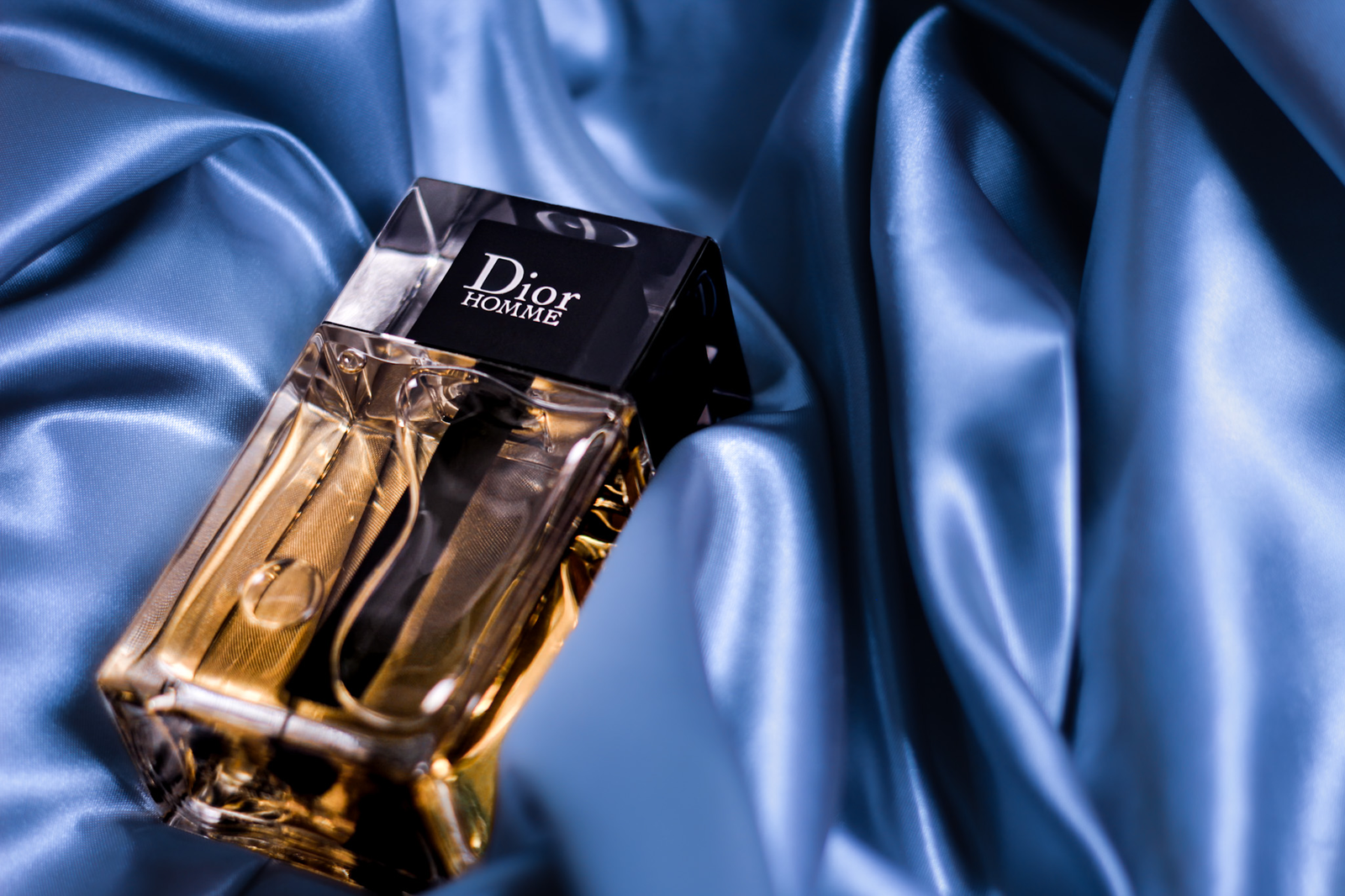
The Dior Homme history begins in 2005, with a fragrance that placed powdery iris at the centre of masculine perfumery. At a time when men’s scents largely relied on familiar combinations of citrus, aromatic notes, spices and woods, Dior Homme chose a completely different language.
Powdery, soft, elegant and almost cosmetic, its iris accord felt genuinely unusual. A subtle cacao nuance added an almost chocolate-like warmth, while leather, amber and woods gave the composition structure. Dior Homme smelled tailored rather than conventionally masculine, and that was precisely what made it unforgettable.
Dior Homme History: A fragrance shaped by Hedi Slimane
To understand Dior Homme, it helps to look beyond the bottle. At the beginning of the 2000s, Hedi Slimane was reshaping Dior menswear with narrow tailoring, sharp silhouettes and an aesthetic that mixed classical elegance with rock culture and androgyny. His Dior man was not built around conventional ideas of masculine power. He could be precise, fragile, sensual and severe at the same time.
The fragrance created for that universe needed to express the same tension. Perfumer Olivier Polge placed iris at its centre, supported by lavender, sage, bergamot, cacao, amber, leather, vetiver and patchouli. Dior now describes the original as its first masculine iris, and that choice was more than a decorative flourish. It became the identity of the fragrance.
The result smelled tailored rather than traditionally rugged. Its powdery texture could recall cosmetics, while cacao gave it a soft, almost chocolate-like shadow. Leather, woods and aromatic notes kept the composition structured, but they never forced the iris to behave in a stereotypically masculine way.
My first Dior Homme
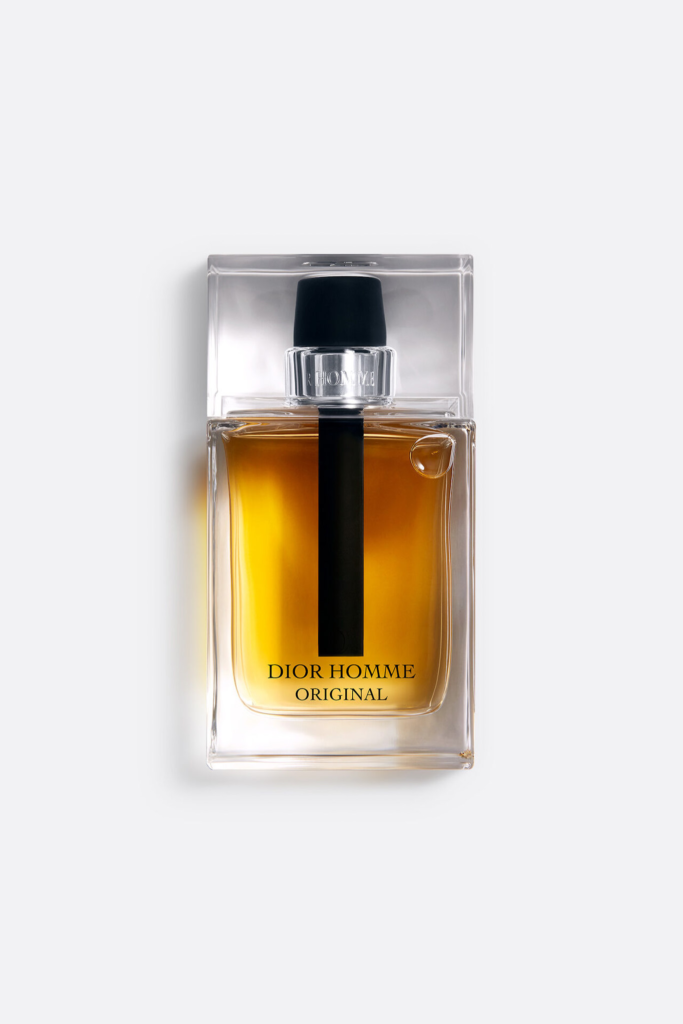
I loved Dior Homme from the moment it was released. To my nose, that powdery note felt completely unusual in a masculine fragrance of the period. I also remember an almost chocolate-like nuance, something soft and addictive beneath the iris. Years later, looking again at the original structure and finding cacao among the notes, I realized that memory had not invented it.
I loved it obsessively and went through several bottles. Dior Homme did not simply introduce me to a perfume I enjoyed. It gave me a new way to experience iris, a note that I have continued to love in many different forms.
When love became passion
Dior Homme Intense arrived in 2007 and expanded the idea. The iris was still recognizable, but the fragrance felt richer, deeper and more powerful, with an ambered, sensual warmth that made the original signature feel almost decadent.
If the original Dior Homme was love, Intense turned it into passion. It took a perfume I already adored and gave it more weight, more density and more drama. It did not merely make Dior Homme louder. It revealed how much emotional and olfactory territory could exist inside that iris accord.
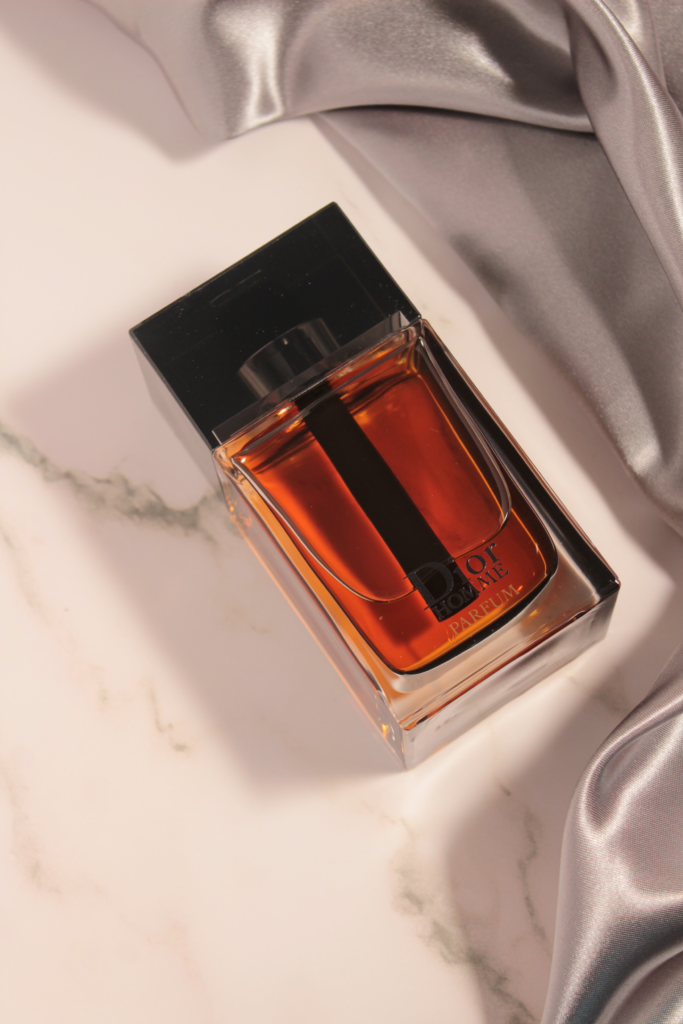
The line reached an even darker expression with Dior Homme Parfum in 2014, created by François Demachy. Iris met leather, rose and dense woods in a composition that could feel less immediate and more difficult to understand at first. I loved that version too, precisely because it demanded more attention. It was not the easiest member of the family, but it may have been the most imposing.
The 2020 identity crisis
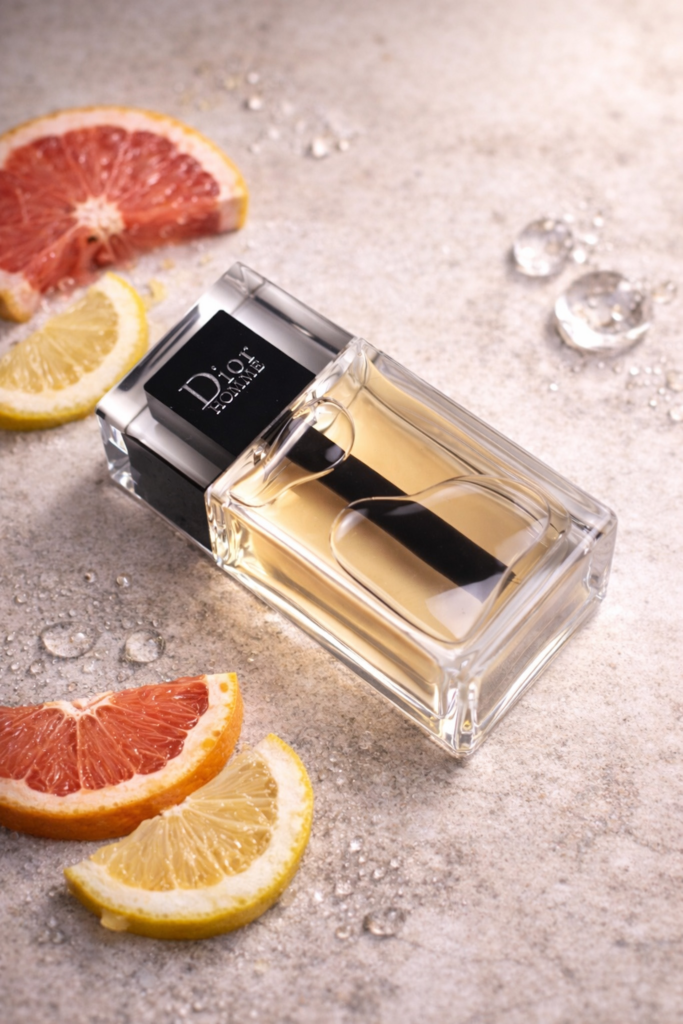
Then came Dior Homme 2020, also composed by François Demachy, and the fragrance community reacted with predictable calm and emotional restraint. Obviously, that is a lie.
The new Eau de Toilette removed iris from the centre and replaced the familiar powdery signature with a woody aromatic construction built around cedar, vetiver and warm woods. The problem was not necessarily the fragrance itself. The problem was the name. Dior Homme suddenly referred to two very different olfactory identities, and many admirers of the original felt that one of modern perfumery’s most distinctive signatures had been erased.
I understand the confusion, but I also think Dior Homme 2020 is a genuinely beautiful fragrance. It has almost nothing in common with the original, and pretending otherwise would be absurd, but judged on its own terms it is elegant, versatile and extremely enjoyable. I own it, I wear it often and I am very happy to have it. Sometimes the family member who causes the scandal is still excellent company.
Dior eventually preserved the iris-based identity under the name Dior Homme Original in selected markets, which helped, although it did not make the line especially easy to explain to anyone who had not followed the entire saga.
A new Parfum, a spectacular bottle and a missing soul
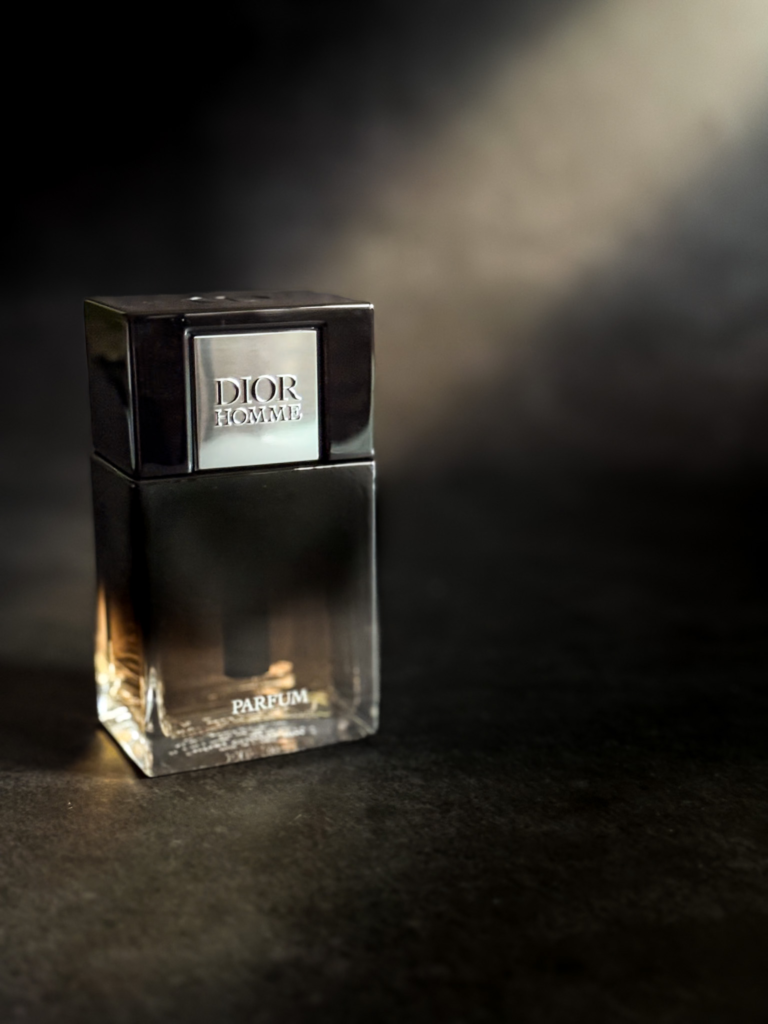
In 2025, Francis Kurkdjian revisited Dior Homme Parfum for the fragrance’s twentieth anniversary. Dior presents the new composition as a dialogue between a dual iris note and ambery woods, designed to balance strength and tenderness. The new bottle is spectacular, modern and beautifully resolved.
The fragrance itself leaves me far less convinced. I find it too minimal, almost like Dior Homme after much of its character has been carefully removed. It is polished and recognisably luxurious, but compared with the depth and difficulty of the earlier Parfum, it feels like a Dior Homme that has been stripped back too far.
Fortunately, I have several backup bottles of both Dior Homme Intense and the original Dior Homme Parfum, so the crisis has been postponed. This is what responsible financial planning looks like when perfume is involved.
The iris legacy
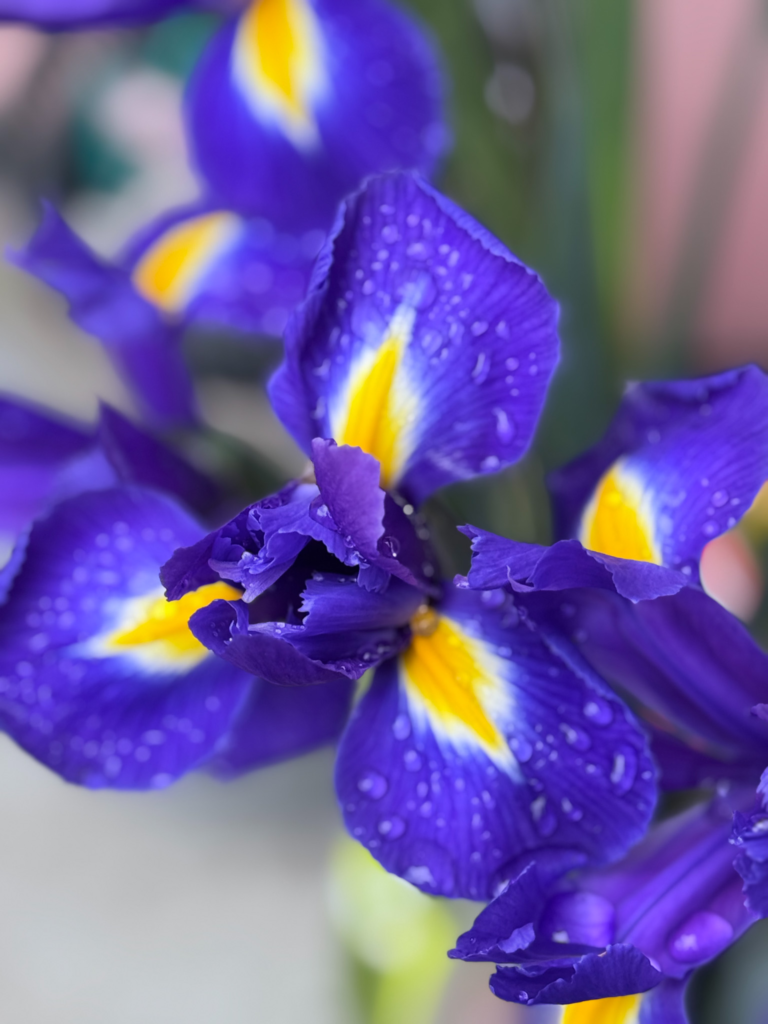
Dior Homme was not the first fragrance ever to place iris in a composition for men, but its success made the note newly visible as a central masculine signature. It demonstrated that powderiness, softness and cosmetic associations did not weaken a fragrance. They could make it more distinctive, sensual and modern.
In the years that followed, other houses explored iris in masculine perfumery from very different angles. Valentino Uomo Intense made it darker, sweeter and more voluptuous through vanilla and leather. Prada L’Homme turned iris into immaculate, soapy elegance. Givenchy Gentleman Eau de Parfum surrounded it with pepper, vanilla and balsamic warmth.
I love all three. Valentino Uomo Intense is spectacular, Prada L’Homme is sublime and Givenchy Gentleman absolutely deserves its place in the conversation. None of them is simply Dior Homme in another bottle, but they belong to a landscape that Dior Homme helped make possible.
Why Dior Homme still matters
Twenty years after its debut, Dior Homme remains important because it did more than smell different. It challenged the vocabulary of masculine perfumery. It allowed a men’s fragrance to be powdery without apologizing, floral without becoming timid and sensual without relying on obvious displays of strength.
The line has changed, fractured and occasionally confused almost everyone trying to buy the correct bottle. Some versions have disappeared, others have been reformulated and the name now covers fragrances with radically different personalities. Yet the original idea remains remarkably clear: iris, tailoring, ambiguity and elegance.
For me, that legacy is also personal. Dior Homme began a love affair with iris that never really ended. I still enjoy discovering the note when it feels cosmetic, green, woody, clean, gourmand or severe. Every interpretation offers a different personality, and wearing them remains one of the pleasures of collecting perfume.
Dior Homme did not teach masculine perfumery how to use iris. It taught it not to be afraid of iris. That is a much more interesting legacy.