
Nathalie Larson: The Quiet Master Behind Some of Modern Perfumery’s Loudest Successes
Sometimes a perfumer enters your collection long before you learn her name. Nathalie Lorson has apparently been moving through mine for more than two decades: from Dolce & Gabbana Sicily in 2003 to Essential Parfums Fig Infusion, Givenchy Gentleman Eau de Toilette Intense, Montblanc Vetiver Glacier, Mugler Alien Goddess, Yves Saint Laurent Black Opium and, most recently, Giorgio Armani I Will.
That list does not describe one recognizable formula. It moves from Mediterranean white florals to fig, coffee, vetiver, solar vanilla and contemporary masculine woods. What connects these fragrances is not an obvious house style stamped over every brief, but Lorson’s ability to make an idea readable, generous and commercially fluent without reducing it to olfactory wallpaper.
From Grasse to Master Perfumer
Nathalie Lorson grew up in Grasse, where her father worked as a chemist at Roure. Smell was not an exotic profession discovered later in life; it belonged to the landscape and to her family world. After completing her studies, she entered the Roure perfumery school in 1980, at a time when very few women were admitted into the profession.
She later worked for International Flavors & Fragrances and joined Firmenich in 2000. Today she is presented by dsm-firmenich as a Master Perfumer. Her career stretches across hundreds of documented compositions, but the number alone is not the interesting part. The range is: mass-market launches, luxury collections, niche houses, automotive brands, celebrity perfumes and modern classics all coexist in the same catalogue.
The Art of Disappearing Behind the Fragrance
Lorson’s own description of the profession is revealing. She does not see the perfumer as the star standing beside the finished work, but as an author who disappears behind the words. For her, creativity is an act of generosity: a perfume is made for somebody else, and its purpose is to reach people rather than advertise the ego of its creator.
It is a refreshingly unfashionable position in an era when perfumers are increasingly marketed as personalities. Lorson is hardly anonymous—her name is revered by fragrance enthusiasts—but the work remains the centre of attention. She has said that her greatest reward is encountering a stranger wearing one of her compositions. No pedestal, no scented auteur mythology, just the quiet satisfaction that the formula escaped the laboratory and became part of somebody’s life.
Simple Formulas are not Simple Work
One sentence on her official dsm-firmenich profile could function as a manifesto: the simplest formulas are the most difficult to create, but they can produce the most distinctive character. This helps explain why so many Lorson fragrances feel immediately legible. Encre Noire does not need to perform seventeen unrelated tricks to make its vetiver memorable. Fig Infusion builds an optimistic, luminous idea around fig without turning the fruit into purple jam.
Her style is often described as harmonious, generous, smooth, round and sensual. Those words should not be mistaken for timid or merely pleasant. Harmony is not the absence of character; it is the control required to make contrasting materials speak in the same sentence. Lorson’s catalogue repeatedly shows that accessibility and structure are not enemies unless the composition gives up too early.
Encre Noire and the Power of Reduction
Lalique Encre Noire, launched in 2006, remains one of Lorson’s defining works. Its dark vetiver construction became a cult fragrance without relying on niche pricing or theatrical scarcity. Earthy, woody and unmistakably focused, it demonstrates her belief that a reduced structure can carry an enormous amount of personality.
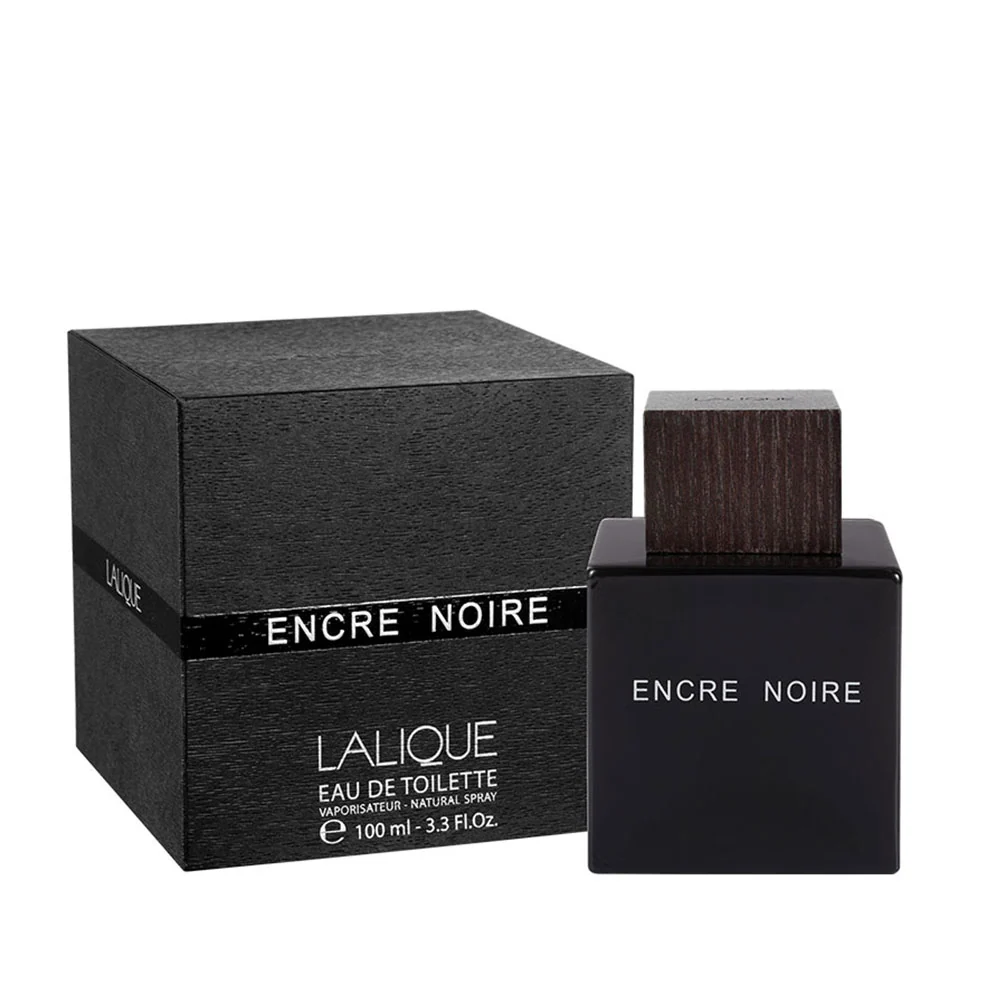
The fragrance also complicates the lazy division between designer and niche. Encre Noire is widely distributed and comparatively affordable, yet its identity is more uncompromising than that of many bottles sold with manifestos, numbered caps and a minor family crest. Good perfumery remains good perfumery; the cash register does not assign artistic value.
Black Opium and the Anatomy of a Blockbuster
At the opposite end of the cultural conversation sits Yves Saint Laurent Black Opium. Created collaboratively by Nathalie Lorson, Marie Salamagne, Olivier Cresp and Honorine Blanc, the 2014 launch turned coffee, vanilla and white flowers into one of the most recognisable commercial signatures of its generation.
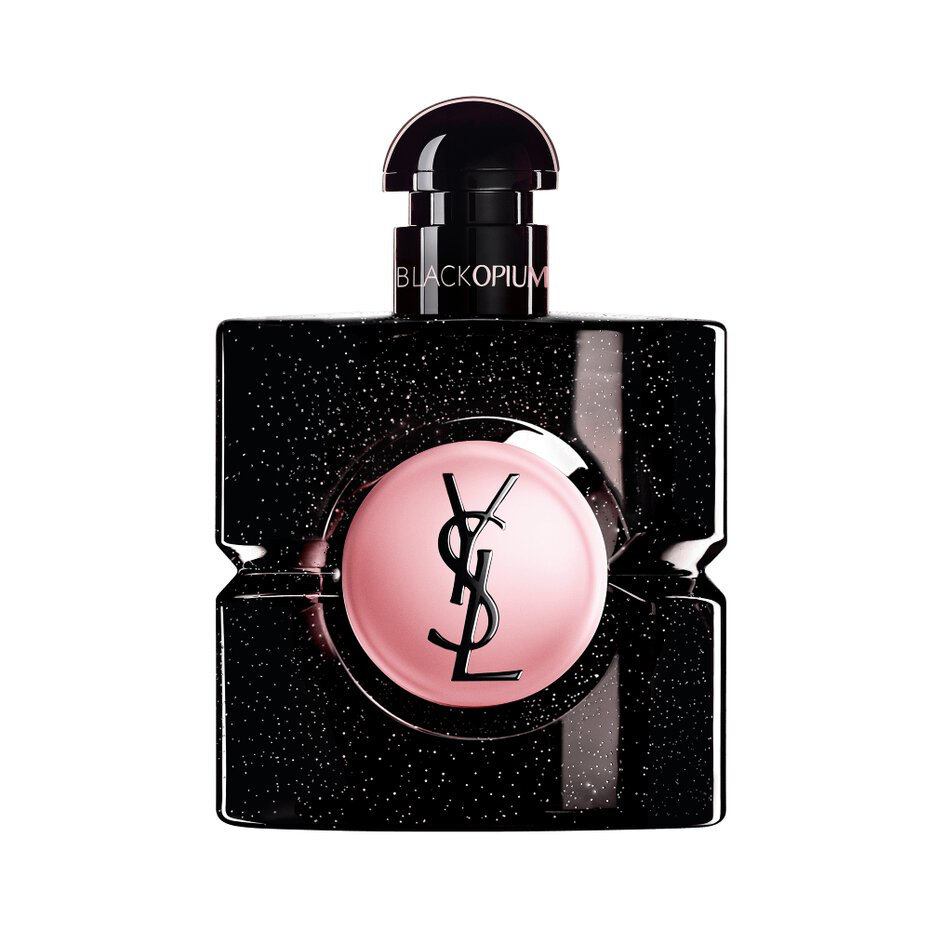
Its success can make the construction look inevitable in hindsight. It was not. A global blockbuster has to be distinctive enough to survive a crowded counter, approachable enough to attract a vast audience and flexible enough to sustain an entire franchise. Black Opium achieved all three. Perfume snobbery may clutch its pearls, but millions of wearers did not accidentally recognize that accord.
Designer, Niche and Everything in Between
Lorson’s versatility becomes clearest when the projects are placed side by side. She created the cult vetiver of Encre Noire and worked on the gourmand machinery of Black Opium. Her portfolio includes Le Labo Poivre 23, Bentley for Men, Lalique Amethyst, Parfums de Marly Meliora and Oriana, Olfactive Studio Autoportrait and a long creative relationship with Maison Violet.
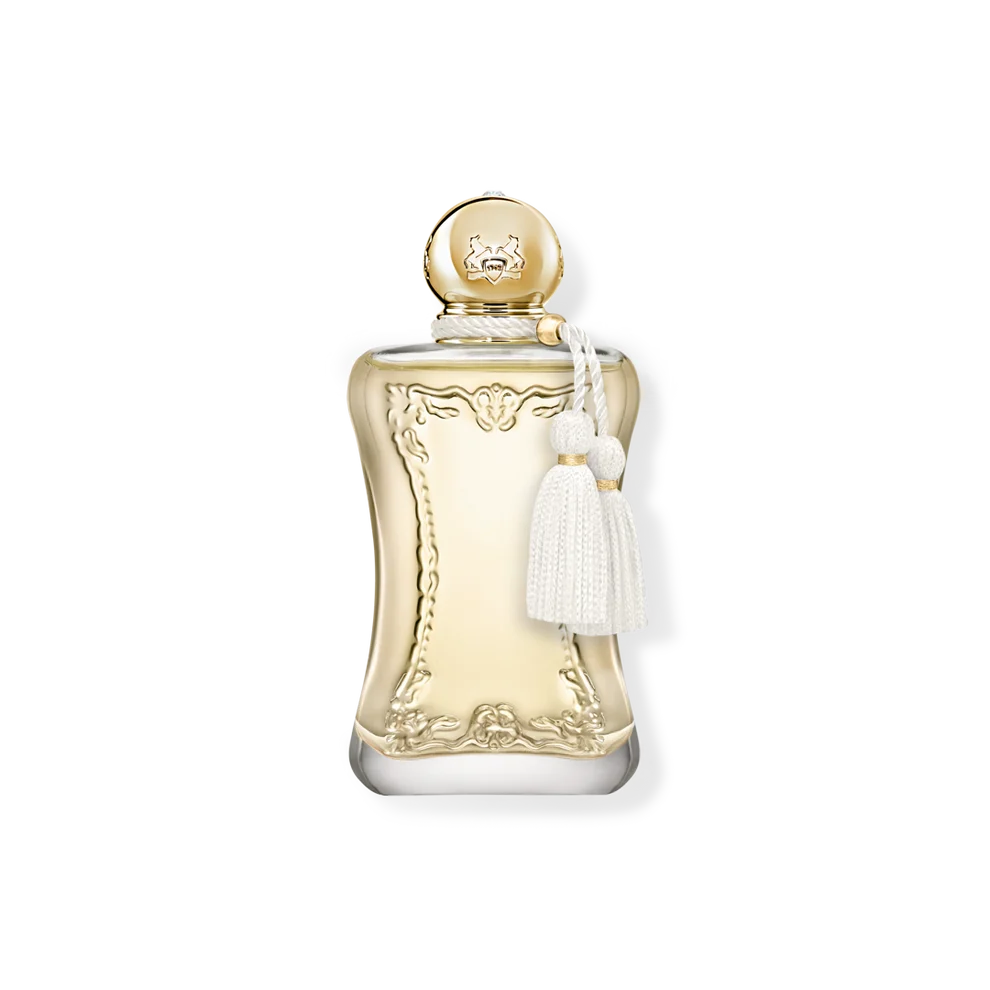
Maison Violet is especially useful for understanding her range. When the historic house was revived, Lorson translated archival names and vintage elegance into contemporary perfumes rather than producing museum replicas. Un Air d’Apogée, Sketch, Pourpre d’Automne, Nuée Bleue and later compositions show a perfumer capable of respecting history without embalming it.
A Perfumer Already Living in My Collection
The most personal route into Lorson’s work begins with Sicily. I owned Dolce & Gabbana’s 2003 fragrance years before perfumer credits became part of the way I navigated perfume. Its presence now feels like an early, unnoticed introduction. The name came later; the work was already there.
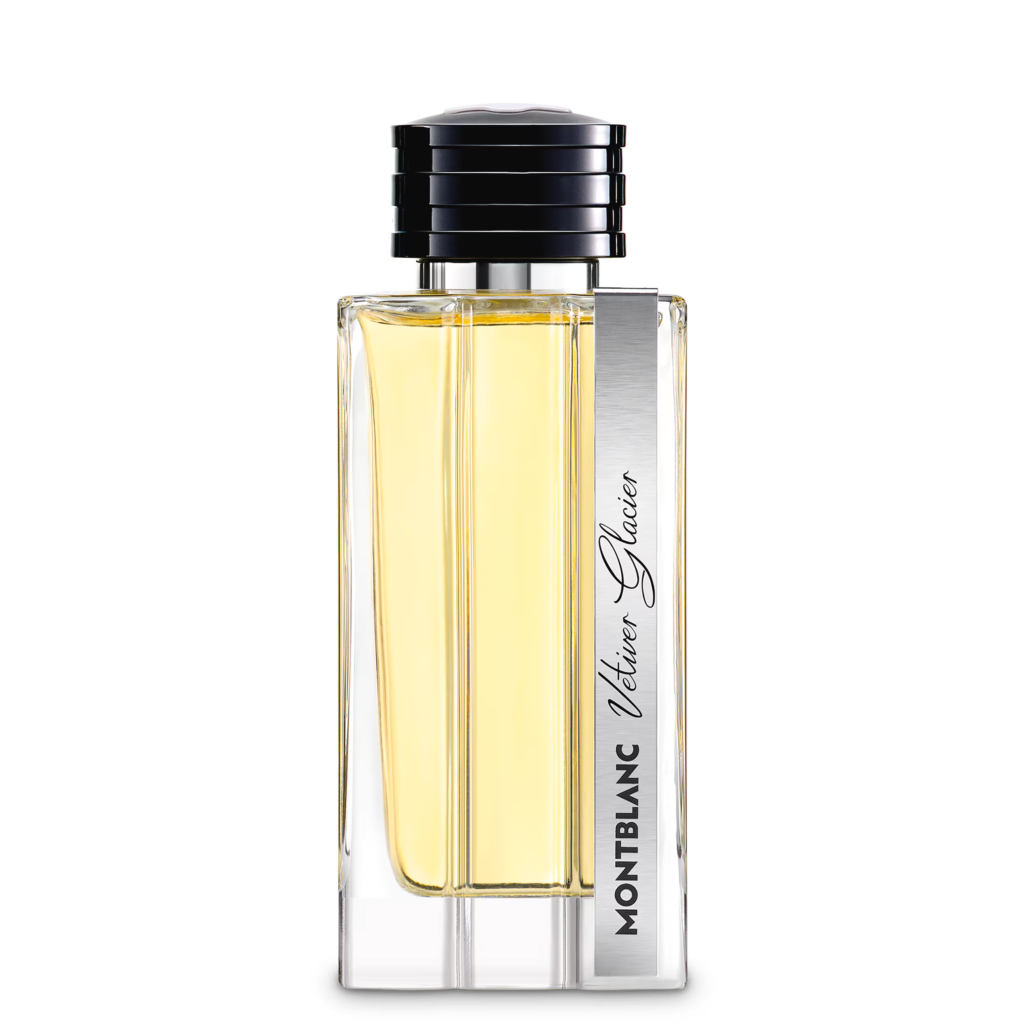
My current collection makes her range even clearer. Fig Infusion is a solo composition built around a bright interpretation of fig. Vetiver Glacier gives Montblanc’s extreme collection a cold mineral-green direction. Alien Goddess, created with Marie Salamagne, moves into solar florals and vanilla. Gentleman Eau de Toilette Intense, co-created with Olivier Cresp, and Armani I Will, developed with Alberto Morillas, show two different approaches to contemporary masculinity.
Then there is Black Opium, the obvious cultural landmark. Owning these fragrances does not make every one of them a personal masterpiece, nor would it be honest to retrofit a single “Lorson smell” onto such different projects. What the group reveals is more valuable: her ability to understand the identity a perfume needs and make it communicate clearly.
I Will and a Career Still Moving Forward
Armani I Will brings the timeline into 2026. Created by Lorson and Alberto Morillas after a development reportedly involving more than 2,800 trials, it combines bergamot, lavender, smoky vanilla and leather in a new masculine pillar. The statistic is slightly terrifying—imagine version 2,417 arriving before lunch—but it also exposes the perseverance hidden behind an apparently effortless formula.

That persistence appears repeatedly in descriptions of Lorson’s process. She compares herself to a goldminer searching through dust for the rare nugget. The metaphor is less glamorous than divine inspiration, but probably much closer to the real work: testing, adjusting, discarding and returning until the composition finally says what it needs to say.
Why Nathalie Lorson Matters
Nathalie Lorson matters because she makes several false oppositions collapse. Commercial success does not exclude craft. A simple structure is not necessarily simplistic. Collaboration does not erase authorship. A perfumer can move between designer and niche, masculine and feminine, affordable and luxurious, without treating one category as culturally superior to another.
Her name may be less publicly familiar than the perfumes themselves, but that is almost appropriate. Lorson has spent her career writing in scent and allowing the words to travel without her standing in front of them. Once you begin reading the credits, however, she appears everywhere. In my case, she had been on the shelf since Sicily. I simply had not been formally introduced.
| Curious about the people behind the perfumes? Explore more creators and their work in The Perfumers. |