Annone Supremo and the Pope’s Very Large Gift
In 1514, King Manuel I of Portugal sent Pope Leo X an elephant. I have questions about the logistics, but the gift made it to Rome and the elephant became known as Annone, or Hanno in English. Centuries later, Pantheon Roma used his name for a perfume built around mango, saffron and oud. Then it made Annone Supremo, put it in gold and gave it peach, honey and vanilla. For a story that starts with somebody receiving an elephant, this feels like a fairly natural escalation.
Who was Annone, the elephant behind the perfume?
Annone was an elephant from India, sent to Rome by the Portuguese king as a diplomatic gift. He also became a subject for artists. A drawing attributed to Raphael’s school shows him in profile. His likeness is also at the centre of a study of a carved ivory horn, whose author traces the model for its elephant back to Raphael or his workshop. An animal sent to a pope ended up travelling through pictures as well.
For Pantheon Roma’s original Annone, that animal is the starting point. The house draws on his rarity and presence and translates that idea into a combination of fruit, spice and woods. I like the choice of mango. There are plenty of ways to make an elephant sound grand. Giving it a tropical fruit as its signature is the one that makes me remember the perfume. It’s another example of the house working with images from Raphael’s world, as it did more directly with the fresco behind Galatea.
Annone Supremo vs Annone
Pantheon Roma’s published notes for Annone put bergamot next to mango and saffron. Rose and iris sit in the heart, with white musk, nagarmotha, amber and oud below. The juxtaposition I find most interesting is the bright fruit up top and the presence of nagarmotha and oud in the base. There’s room in that note list for something earthy to sit under the sweetness.
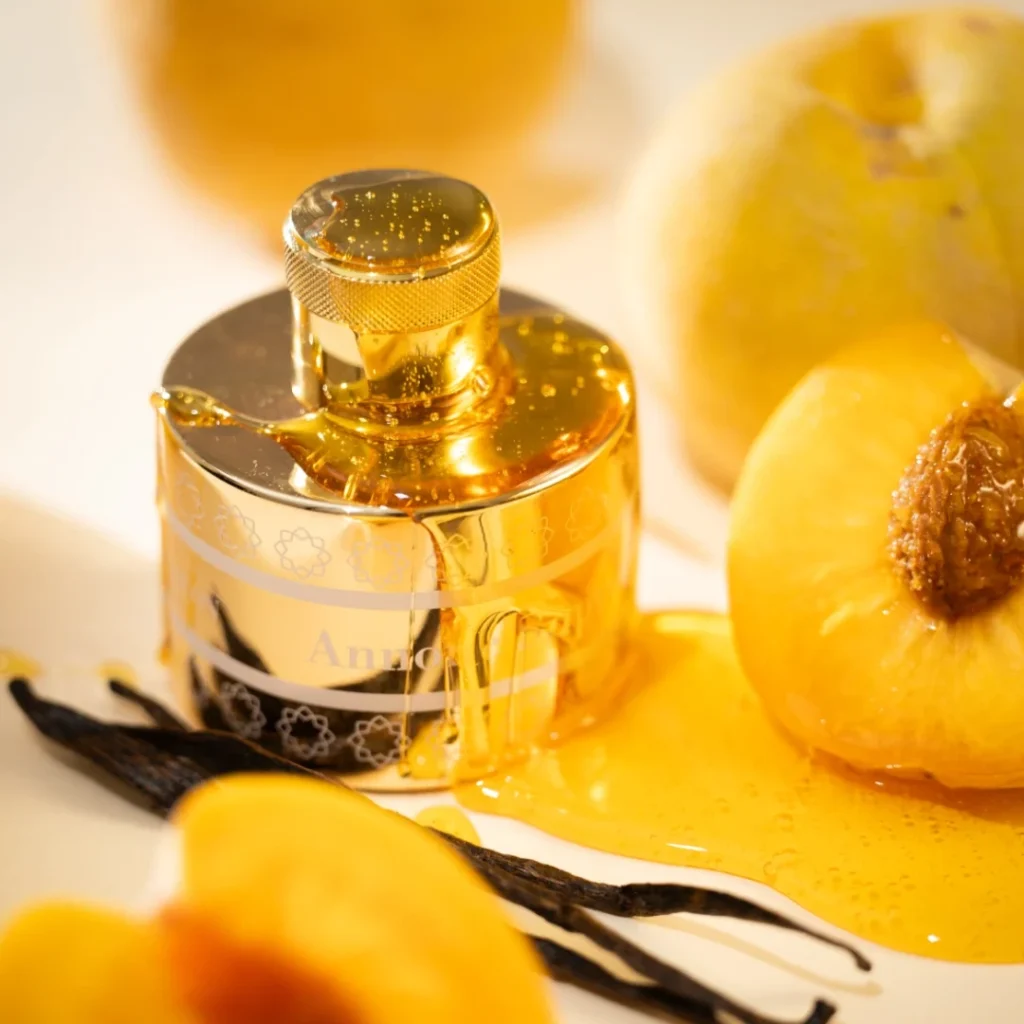
The official Annone Supremo pyramid keeps the mango and saffron but lists peach where the earlier opening listed bergamot. Rose and iris are joined by honey. Amber and oud are still there, with vanilla rounding out the listed base. Bergamot, white musk and nagarmotha drop out of the published pyramid. These are changes to the listed notes. How far that takes the scent from the original is a question for a side-by-side test.
The part I’d be most curious to smell is what happens between the fruit and the iris. Peach could bring out the softer side of mango. Honey could make that transition feel much richer. With vanilla underneath, it’s easy to imagine the fruit getting the lion’s share of the attention. I’d be listening for the iris, which sounds like the one note capable of imposing a little order on the proceedings. Good luck to it.
The gold bottle and the Harrods launch
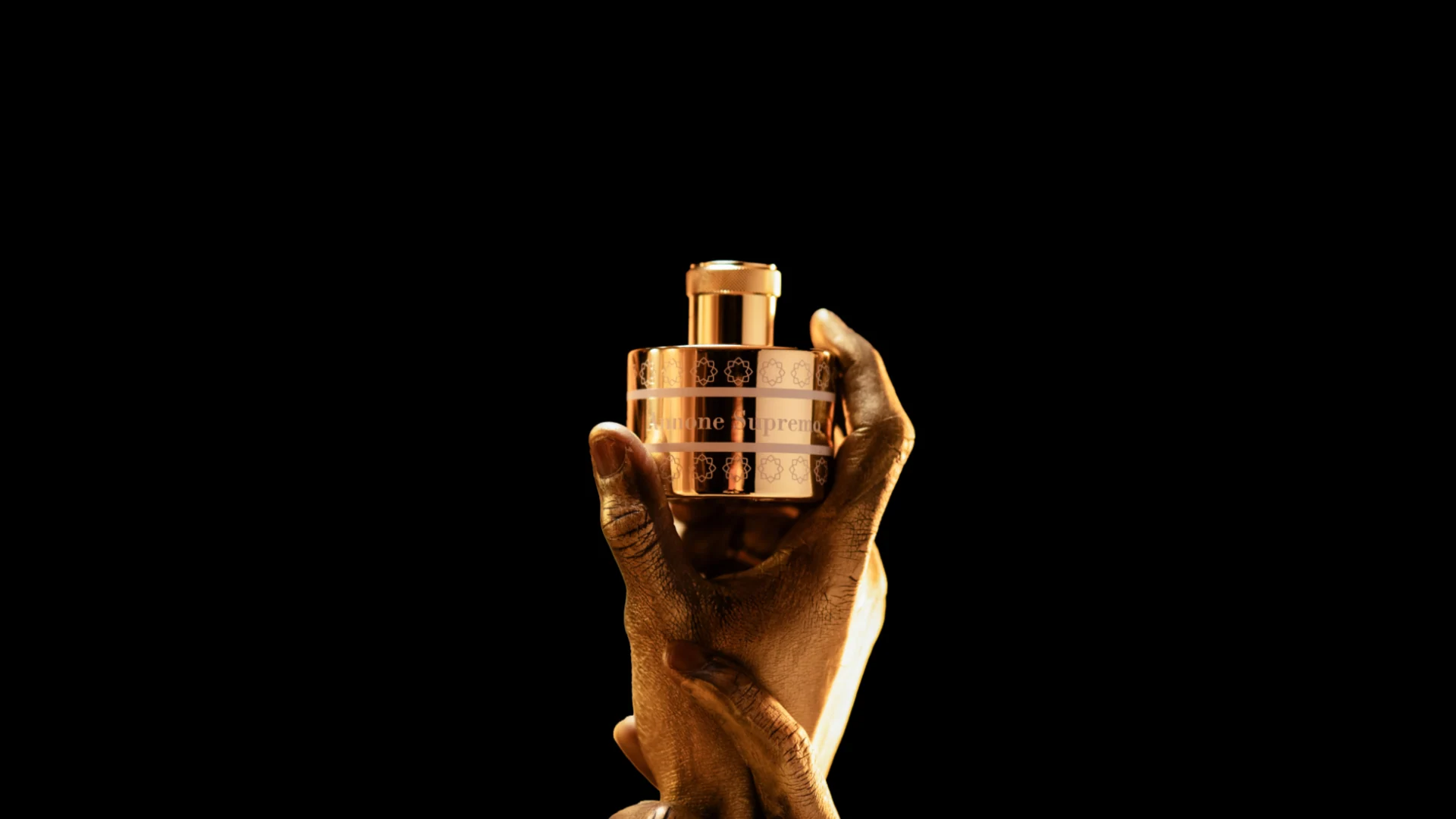
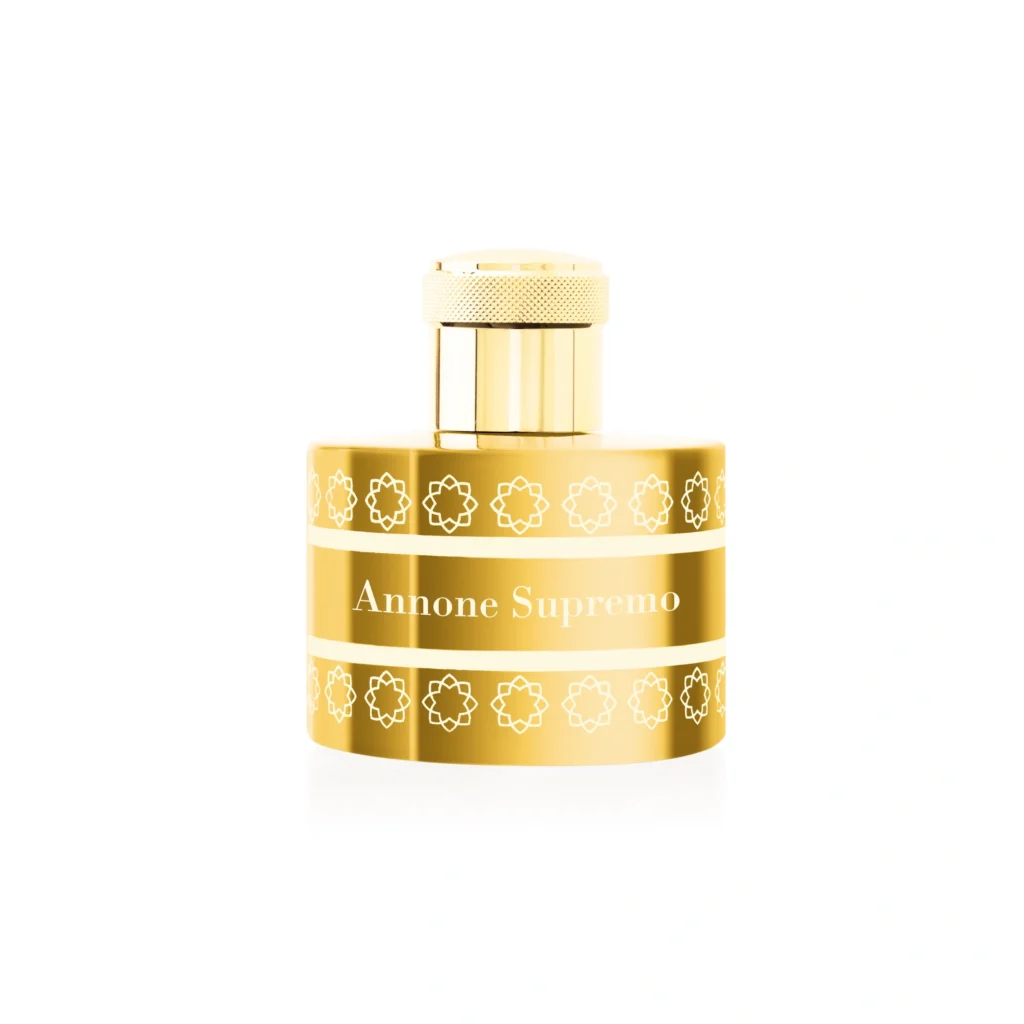
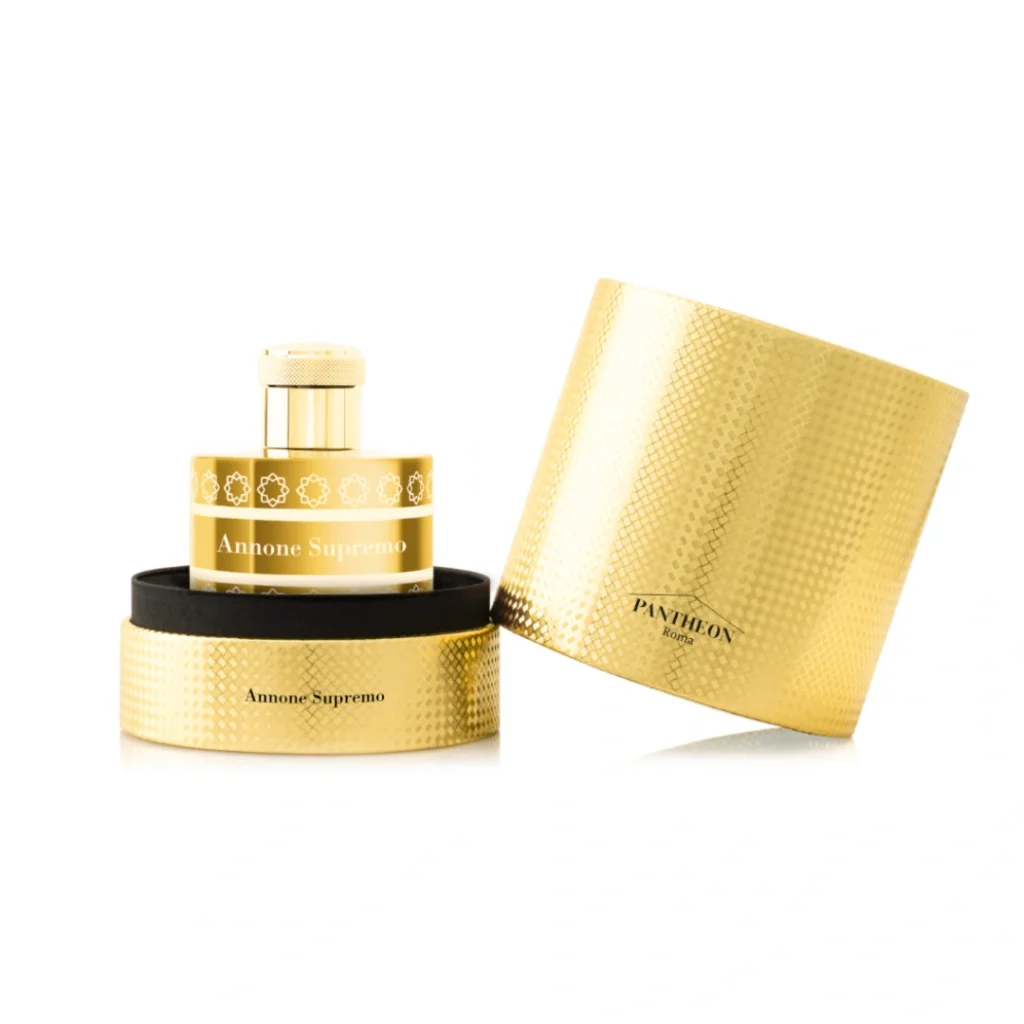
Pantheon Roma carries that emphasis on warmth into the gold bottle, and Harrods lists it as a 100 ml extrait de parfum. The brand says it was initially a Harrods exclusive, with wider distribution planned after that window. On the Italian Pantheon Roma site, it’s listed at €280 for 100 ml. Fragrantica attributes the composition to Arturetto Landi. The brand’s product page gives the notes without naming a perfumer.
If I had the two bottles in front of me, I’d be most tempted to see what the extra sweetness does to the oud. The gold bottle makes a fairly unambiguous case for excess. The more interesting question is how much of the elephant you can still see through all that honey.
Editorial note. This Fragrance Focus compares the house’s published notes and draws on historical sources. I haven’t done a comparative wear test for this article.
| If the Pope could make room for an elephant, surely you can make room for one more bottle. Explore more Fragrance Focus articles. |