Parfums de Marly Athénaïs: Orange Blossom with a Little Bite
Orange blossom is one of the notes most likely to make me stop and read a perfume’s description. With Parfums de Marly Athénaïs, I ended up reading the top notes twice. There’s neroli, bergamot and yuzu, which sounds like the beginning of something brisk and quite dry. Then there’s orange blossom and jasmine, followed by vanilla and tonka. Read from the bottom up and you could be looking at a much softer perfume. I’m interested in how Marly intends to get from one to the other.
Athénaïs is a 2026 Eau de Parfum that the house classifies as an ambery floral. I haven’t worn it, so this is a preview. The published composition gives us something more interesting to discuss than how many hours it might last. Parfums de Marly already has several ways of using orange blossom. Where does this one fit, and what does a coral bottle with two tassels have to do with any of it?
Parfums de Marly Athénaïs notes
|
Top notes |
Neroli, bergamot, yuzu |
|
Heart notes |
Orange blossom, jasmine |
|
Base notes |
Tonka bean, vanilla, ambrox |
The opening reads like a small argument about what citrus can do. Bergamot has the familiar peel-like brightness you might expect at the start of a cologne. Yuzu can take that brightness in a sharper, tarter direction. Neroli, which comes from the flowers of the bitter orange tree, brings a greener floral character to the mix. On paper, you get an opening that has a reason to be there beyond making the first spray feel fresh. It introduces the flowers while the citrus still has most of the room.
The heart gives orange blossom a different neighbour in jasmine. There’s a good reason to read the two orange-tree notes separately. Distillation gives neroli an often fresher, greener profile, while an absolute from the same flowers can bring out their warmer, honeyed side. Marly calls the heart note simply orange blossom, leaving the exact material open. What the pyramid does tell us is that the house wants the flower to register twice, first in the company of citrus and later as part of a fuller white bouquet.
I like that idea because orange blossom can be quite difficult to pin down. It can suggest a bar of soap, a warm afternoon near a flowering tree or the sticky floral sweetness of orange blossom water in a dessert. Sometimes the distance between those associations is remarkably small. Here the move from neroli and yuzu to jasmine gives the composition room to explore more than one of them.
Where Athénaïs fits at Parfums de Marly
Athalia is the comparison I’d start with, if only because I’ve had to read the two names carefully enough times while writing this. Its official pyramid puts bitter orange and incense above orange blossom and iris, with amber, suede and vanilla underneath. Iris and suede suggest a drier, more powdery setting for the flower, while incense gives that opening a shadow of its own. Athénaïs starts with more citrus and makes jasmine its second floral voice. On paper, the difference is in how each fragrance gets to its warmth. Athalia begins laying the groundwork with incense. Athénaïs spends that time on neroli and yuzu.
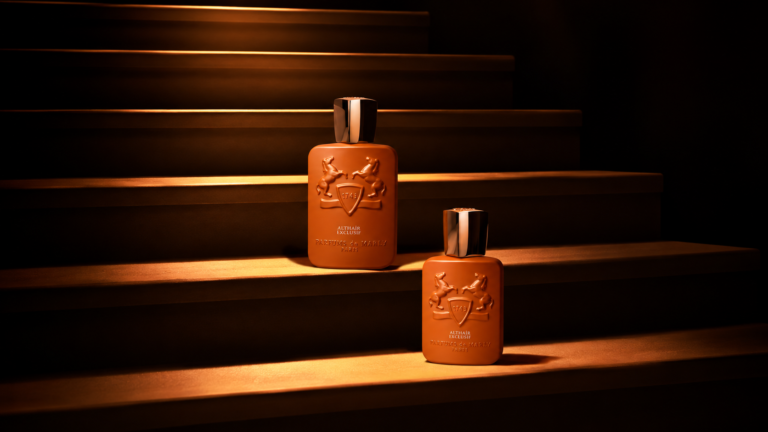
Althaïr Exclusif offers another point of comparison. It gives orange blossom a seat at a table already occupied by cinnamon, cardamom and praline, then brings in Bourbon vanilla and guaiac wood. The flower has plenty of company there. In Athénaïs it has more room to shape the composition before the vanilla arrives. That’s the distinction I’d keep in mind if you’re coming to Athénaïs from one of Marly’s sweeter releases. My preview of Parfums de Marly Althaïr Exclusif
The case for powdery tonka
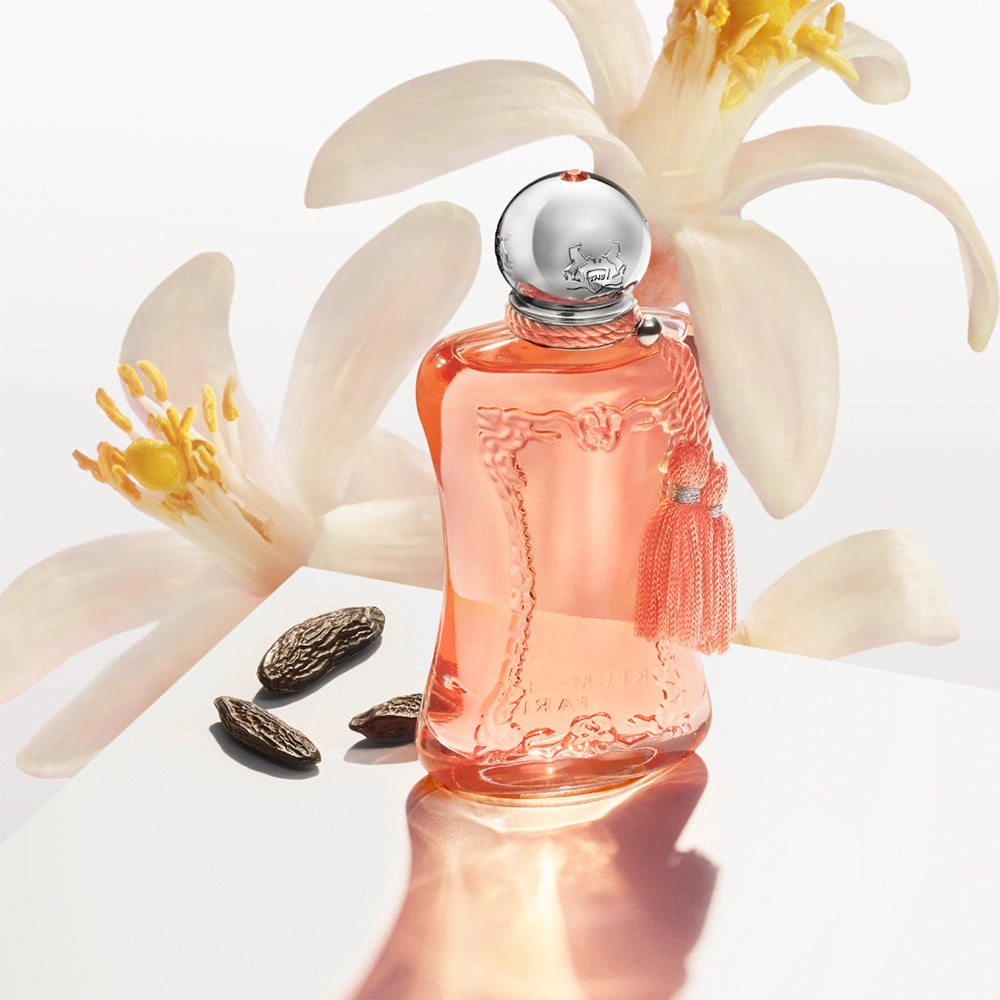
Julien Sprecher, the house’s founder and artistic director, singled out neroli and tonka bean when talking about Athénaïs. The description also calls the tonka base powdery. That word matters here. Tonka can be sweet and almondy, but it can also suggest dry hay or the smell of the toasted edge of something. With vanilla already in the base, its drier side would have a job to do. It could give the flowers some texture as the opening loses its sharpness.
The presence of ambrox makes me curious about the shape of that base, too. There’s room on paper for an ambery finish with some air around it, even with vanilla and tonka in the picture. A powdery floral can feel quite spacious. Think of the difference between a fine dusting of powder and a thick layer of cream. Both can soften what’s underneath, but they leave you with a very different impression of the surface. Which direction Athénaïs takes will tell me more than the mere presence of vanilla ever could.
From Versailles to coral glass
Athénaïs de Montespan, the perfume’s namesake, was an influential figure at the court of Louis XIV. She was known for her wit and her taste for art, and the rooms she filled with paintings became a social centre in their own right. I find that a better starting point for the campaign than a vague idea of royal luxury. This was a woman who understood that a room could say something about its occupant before she opened her mouth.
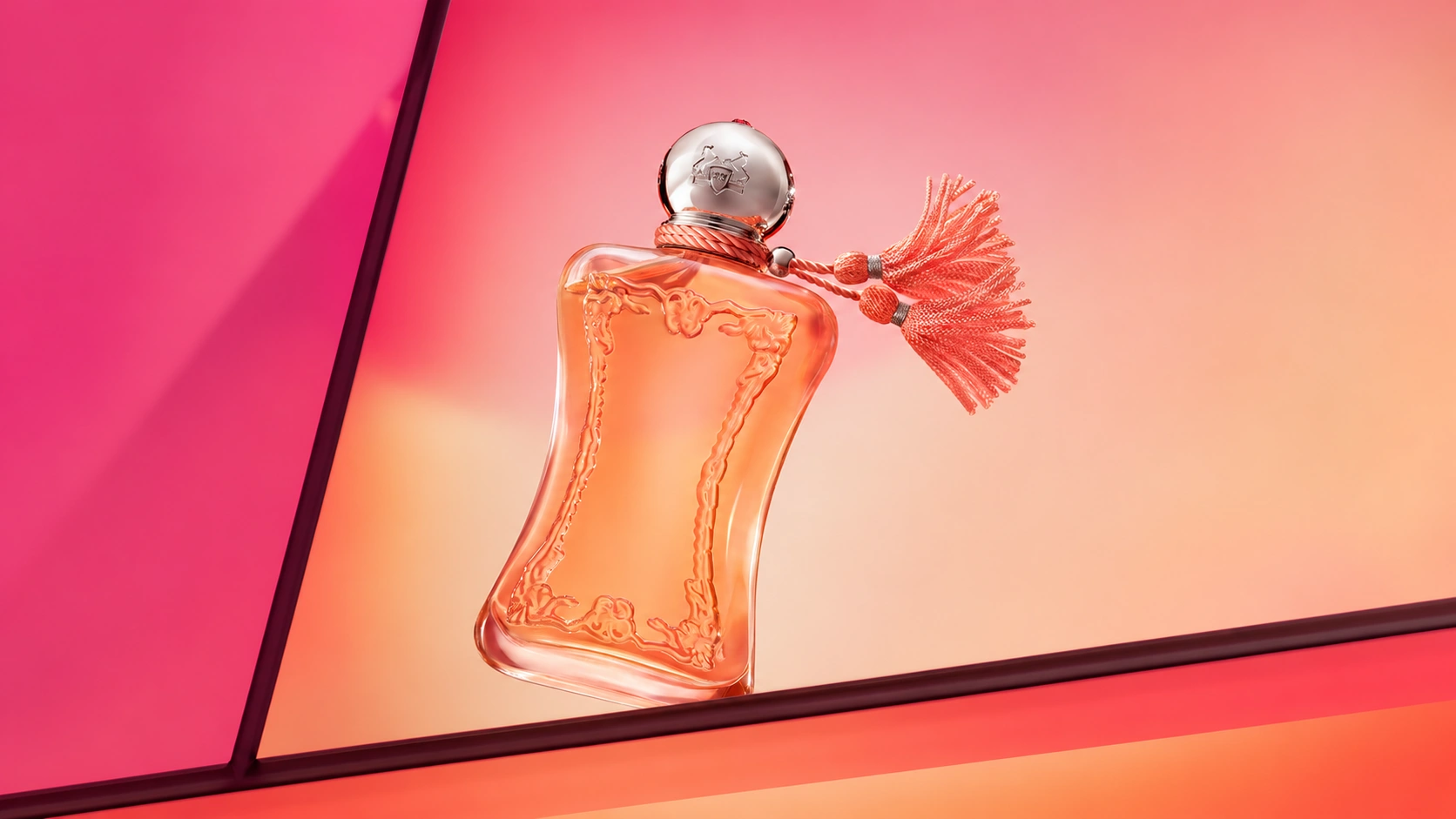
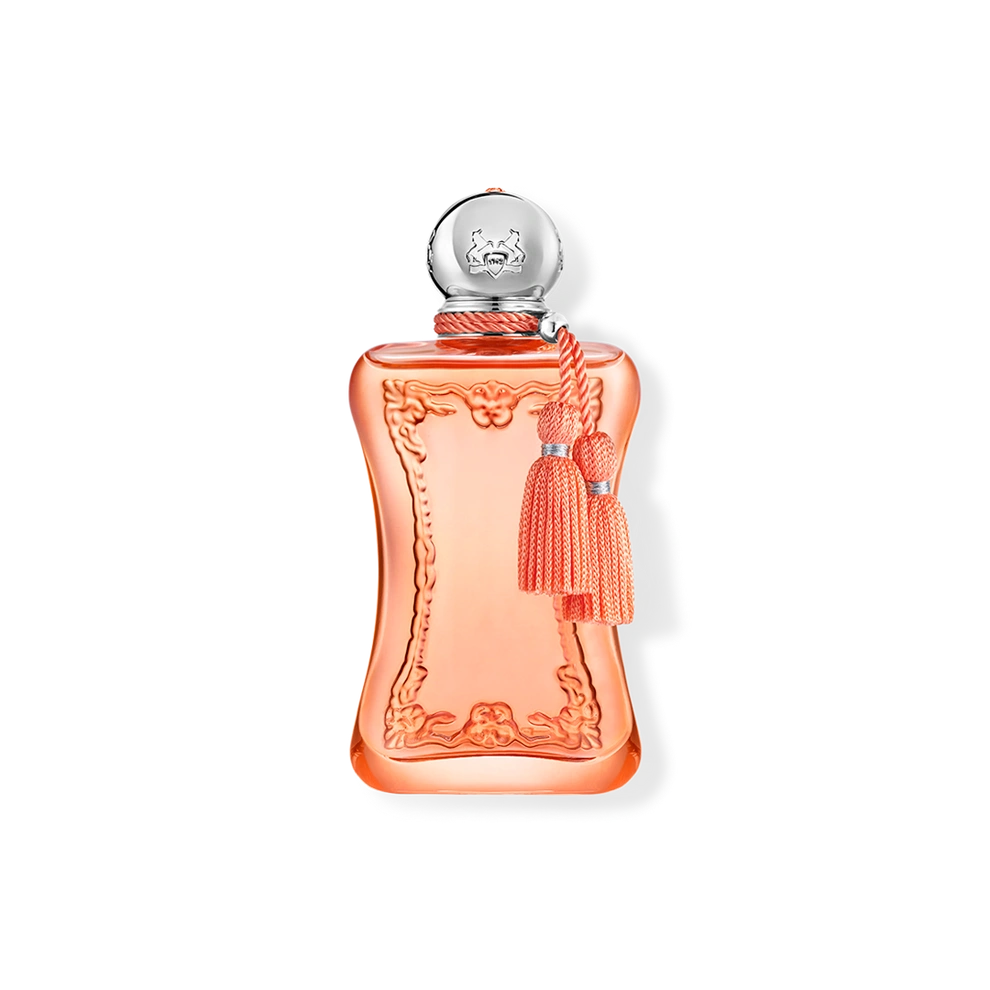
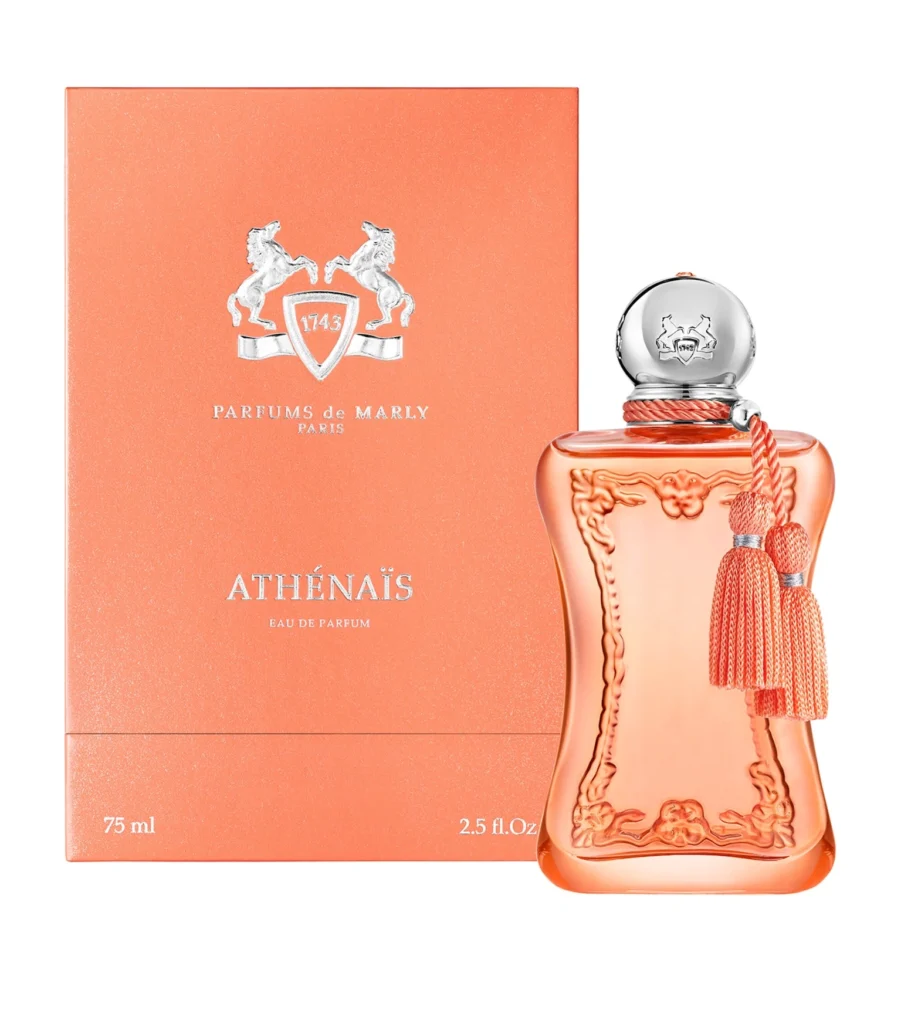
The bottle does a fair amount of talking. The shape, raised ornament and twin tassels are familiar Marly, but the transparent coral glass makes the decoration particularly visible. In the angled campaign shot, the tassels fan out and the dark diagonals make the whole thing feel less formal. I prefer that image to the straight-on packshot. The latter shows exactly what you’re buying. The former makes the bottle look as if it’s just turned around because it overheard something.
Price and availability
Parfums de Marly Athénaïs comes in a 75 ml bottle. The brand’s European site listed it at €285 when I checked, while Harrods UK listed it at £270. Parfums de Marly · Harrods UK
At that price, I’d be interested in smelling Athénaïs next to Athalia. The two wrists would tell me whether the difference on paper translates into two distinct ways of wearing orange blossom. The part I’d pay attention to is when the opening has faded and you can smell what each base does to the flower. If the tonka gives Athénaïs a recognisable character there, I can see the point of Marly making room for another orange blossom. The bottle, of course, has already assumed I’ll make room for it.
| What else is worth a closer look? Explore the Newest releases. |