
Valmont Storie Veneziane: Nine Perfumes, Nine Faces of Venice
Valmont Storie Veneziane is the sort of perfume collection I’d want to see by a window. The gold bottles catch your eye first, but it’s the coloured glass faces that make you want to move them around and see what happens to the light. Only then do you get to the slightly inconvenient question of which one you’d actually want to wear. I’d already spent some time looking at the fuchsia mask on Rosa Fucsia I. It made me curious about what happens when you put the rest of the collection beside it.
The detail I like most is that colour gives you a clue and occasionally leads you straight into a trap. A blue flacon in a Venice-inspired collection could easily put you in mind of water. Valmont gives that one cocoa, patchouli and opoponax. Once you know the place attached to it, the Baroque façade of San Moisè, the extravagance begins to make a different sort of sense. That’s where this collection gets interesting for me.
How Storie Veneziane began
The collection debuted in 2018 with five fragrances: Verde Erba I, Alessandrite I, Rosso I, Gaggia Medio I and Blu Cobalto I. The names drew on pigments used by Murano glassmakers, and each fragrance took a different part of Venice as its starting point. Sophie Vann Guillon shaped the perfume project, while Didier Guillon worked on the visual identity. The collaboration with Murano glassmaker Leonardo Cimolin gave the bottles their most recognizable feature, the hand-shaped glass mask.
There’s a broader connection to Venice here. Didier founded Fondation Valmont in 2015, and the foundation now stages contemporary art exhibitions at Palazzo Bonvicini in Santa Croce. The perfume collection and the foundation give him two different ways of working with artists and materials in the same city. I like that connection better than any amount of mist rising over a canal in a campaign photograph. It gives the glasswork a context beyond the dressing table.
Valmont also uses Storie Veneziane by Valmont for its wider fragrance project. Within it, the Storie Veneziane extraits are the ones with the Murano masks. Collezione Privata is the eau de parfum line, built around portraits of femininity, and Palazzo Nobile is the eau de toilette line. The latter takes its visual cue from terrazzo, another instance of Valmont starting with something you can touch and asking what it might suggest in perfume.
The nine Storie Veneziane extraits
The notes below come from Valmont. What interests me is how the fragrances look alongside each other on paper, especially when two bottles share a colour, a material or a taste for excess.
Morning light, the Grand Canal and the Arsenale
Verde Erba I is Valmont’s morning in Sant’Elena. The house lists a seringa accord, papyrus and vanilla absolute. I like the placement of vanilla here. A green floral with a little sweetness beneath the papyrus sounds like an interesting way to give the morning some warmth. It’s the original green in the collection, and it has a useful companion in one of the later additions.

Laguna Verde I takes the Grand Canal as its setting and pairs violet leaf and iris with papyrus. That shared material is what makes me want to smell the two greens side by side. With Verde Erba, the question is what the vanilla does to the papyrus. With Laguna Verde, I’d be looking at the passage from violet leaf to powdered iris, and how the wood changes the feel of both. The names look close together on a shelf. The published notes give them quite different things to do.

Alessandrite I takes us to the Arsenale, where Valmont draws on its connection to the Venice Biennale. Bergamot, jasmine and aldehydes are the three notes the house gives us. The aldehydes are the detail I’d follow. There’s something fitting about using an effect that can make a floral feel lit from several directions for a perfume about the meeting of old architecture and contemporary art.
Rose, oud and a walk through Dorsoduro
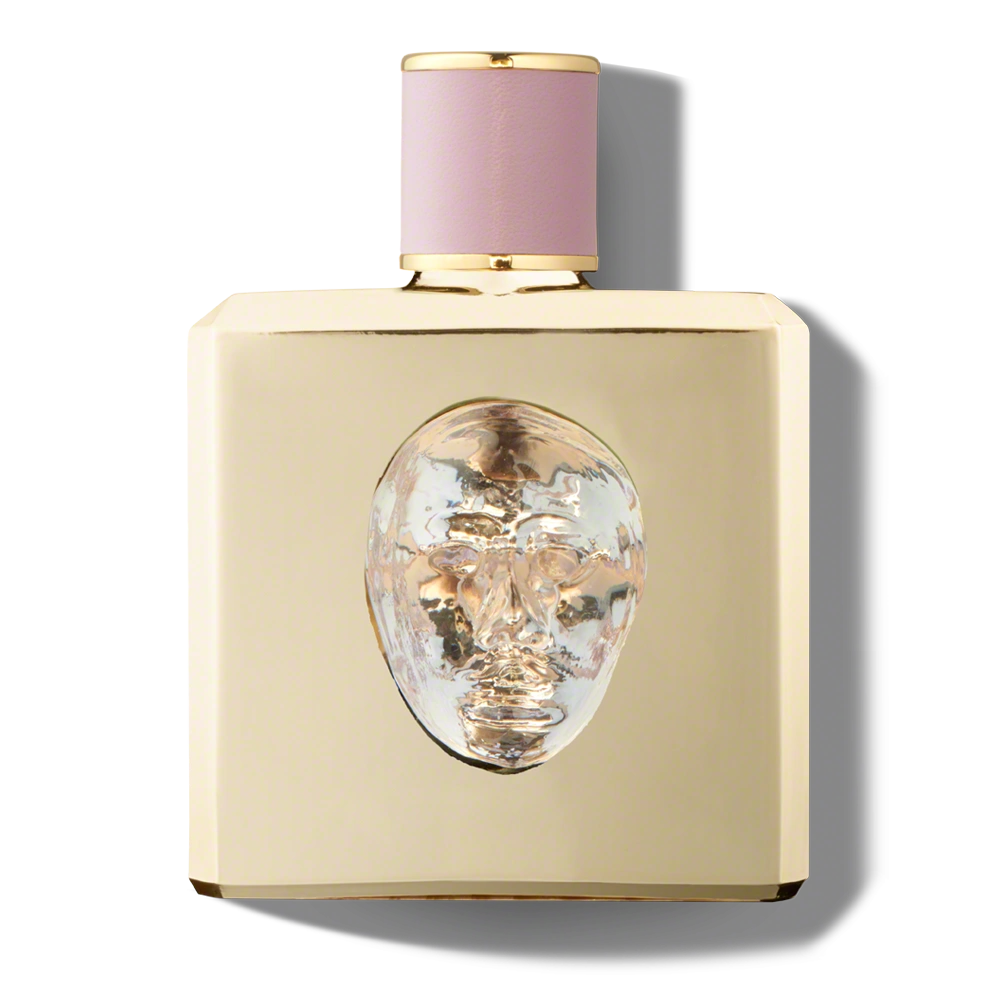
Rosso I is inspired by San Francesco della Vigna. Valmont pairs pink berries and Damask rose with oud. Put it beside Rosa Fucsia I and you get one of the clearest comparisons in Storie Veneziane. The two fragrances share pink berries and Damask rose on the official note lists. Rosso takes the rose towards oud. Rosa Fucsia gives it patchouli and a floral chypre gourmand setting. I’d want to see how much of the rose feels familiar when you change what’s underneath it.

The setting changes with the rose, too. Rosa Fucsia I starts from Palazzo Bragadin Carabba, the Venetian residence associated with Casanova, and Valmont turns the attention to the women in that world. I explored that story in the launch piece. Here, I’m more interested in what the fuchsia bottle adds to a collection that already had a red rose. It gives the same flower a different role.
| Curious about the fuchsia bottle? I take a closer look at the Damask rose, the Murano glass mask and the Venetian palace that inspired it in my feature on Rosa Fucsia I. |
Zafferano I keeps the oud and changes the company it keeps. Bitter orange blossom and saffron take the place of Rosso’s rose and pink berries. The setting is the marketplace in San Polo, with a nod to Venice’s spice trade. I’d be particularly interested in the bitter orange blossom here. It’s the note that could give the saffron and oud some air, and the one I’d be most likely to overlook if I only glanced at the name.

Gaggia Medio I takes its name from a sandstone-coloured pigment and its setting from the lanes of Dorsoduro. The notes are cardamom, sandalwood and amber. The combination sounds like a study in warmth, with the cardamom giving the sandalwood and amber a sharper edge to work against. It’s also the bottle I’d be inclined to leave somewhere the late-afternoon light could get to it. Apparently I’m already choosing furniture arrangements for a perfume I have yet to sample.

Baroque cocoa and a night at the Ridotto
Blu Cobalto I is the Storie Veneziane extrait I’d be most curious to smell first. Valmont takes the exuberance of Campo San Moisè and gives it Malacca patchouli, cocoa extract and opoponax. Cocoa is the obvious temptation, but I’m more interested in how it sits between the earthiness of the patchouli and the sweetness of the resin. It could go in several directions, and the cobalt glass gives absolutely nothing away.
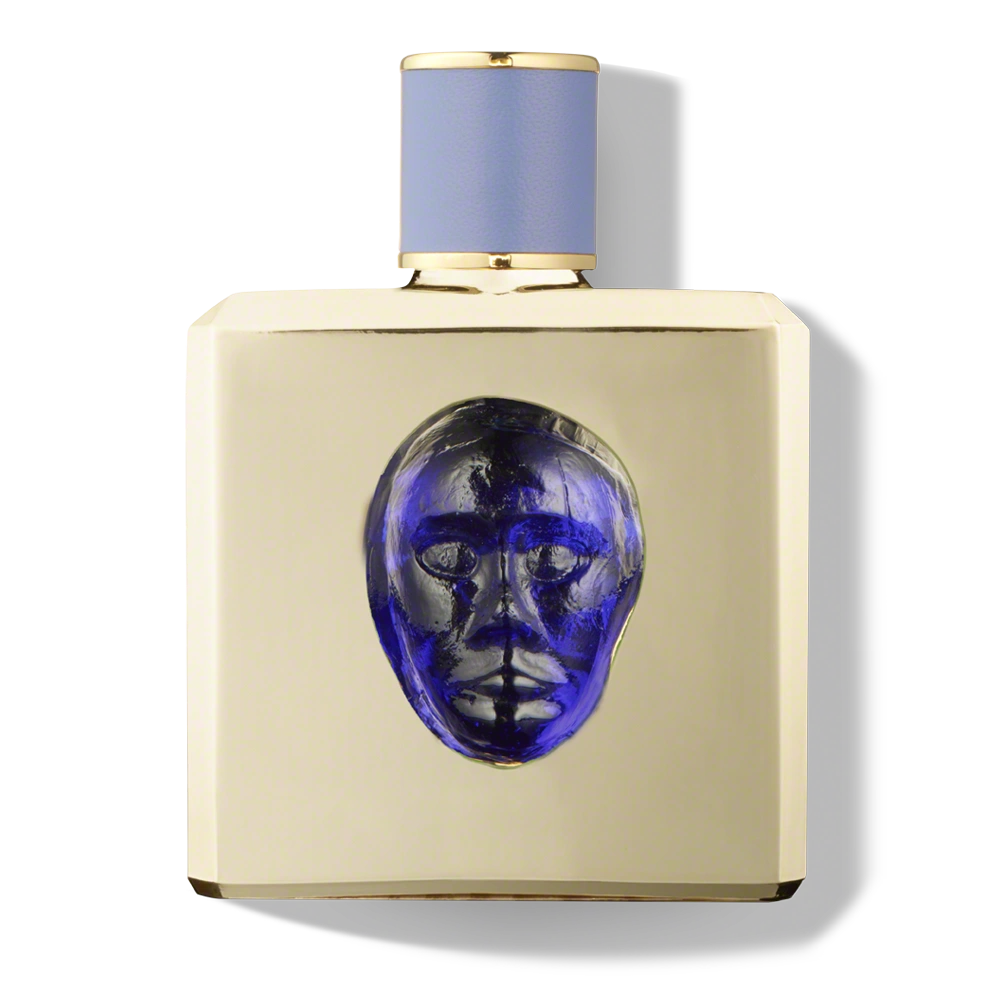
Mica d’Oro I has a more immediately legible idea of pleasure. Its setting is the Ridotto, Venice’s historic gambling house, and the notes are rum, Chantilly and Bourbon vanilla. Set it alongside Blu Cobalto and you have two ways of building a gourmand in the same collection. One makes me think of cocoa pulled into something earthy and resinous. The other gives me rum and whipped cream before I’ve even got the blotter in my hand. The Ridotto seems a rather apt setting for a fragrance that already sounds like an argument against good judgment.

The discovery set and the collector’s edition
The Storie Veneziane Discovery Set contains five 8.5 ml extracts: Alessandrite I, Blu Cobalto I, Verde Erba I, Rosso I and Zafferano I, plus a blue travel dispenser. That selection gives you both oud compositions and a chance to compare the aldehydic floral with the original green. The Swiss storefront lists the set at CHF 90, with individual full-size extraits listed from CHF 540. Prices are specific to that storefront.
Then there’s Blue Odyssey, the limited-edition coffret that pairs Blu Cobalto I with a Murano glass piece by Aristide Najean, under Didier Guillon’s artistic direction. The fragrance inside is Blu Cobalto I. What the edition adds is another artist’s interpretation of the same Venetian project, this time in a separate object you can take out and look at. It’s about as far as Valmont can take the collector’s side of the collection before the perfume starts needing its own display cabinet.
The temptation with Storie Veneziane is to pick by colour. I suspect I’d spend a good while doing exactly that. Then I’d put the bottles down and try two comparisons first: Verde Erba I beside Laguna Verde I, and Blu Cobalto I beside Mica d’Oro I. The two greens would tell me more about what Valmont does with papyrus. The two gourmands would tell me whether I’m drawn to the darker construction or simply to the idea of rum and Chantilly. I can admire all nine masks. I’m much more curious about which of those four blotters I’d still be holding half an hour later.
| Some bottles are worth a closer look. The stories behind them often are, too. Explore Fragrance Focus |