Perfume Dupes Explained: Clones, Copies and Fragrant Cousins
Because apparently every famous fragrance eventually discovers it has relatives.
Every successful perfume eventually seems to acquire two things: a flanker nobody necessarily requested and a suspiciously affordable cousin.
Sometimes the resemblance is discreet, built around a familiar combination of materials or a similar mood. In other cases, one spray is enough to make the relationship considerably harder to ignore. Somewhere between those extremes sits the increasingly crowded world of perfume dupes, clones, inspirations and alternatives.
The language surrounding perfume dupes has become particularly elastic. A dupe can refer to a fragrance deliberately positioned as an affordable alternative, another perfume that happens to occupy similar olfactory territory, or simply something somebody on the internet once declared “identical” after approximately seventeen seconds of analysis.
That creates an obvious problem: similarity is not the same thing as equivalence, and neither automatically proves copying.
So what exactly is a perfume dupe, where does inspiration end, and why do some fragrances seem to arrive at the family reunion wearing almost exactly the same outfit?
Perfume Dupes: What Exactly Counts as a Dupe?
In everyday fragrance language, a perfume dupe is usually a scent discussed or marketed as a more affordable alternative to another fragrance because it creates a recognizably similar overall impression.
That similarity may come from a comparable opening, an overlapping group of materials or a familiar progression from the first spray to the drydown. The perfumes do not have to be chemically identical, nor do they necessarily perform in the same way. What matters is that enough of the olfactory structure feels familiar for consumers to establish the comparison.
Some brands explicitly describe fragrances as being inspired by well-known perfumes. Others never mention the supposed reference at all; the comparison is created instead by retailers, beauty publications, fragrance communities and consumers.
That distinction is worth keeping in mind. Saying that two perfumes smell similar is an observation about the finished products. It does not tell us how either formula was developed or prove that one company copied another’s creative process.
We can discuss what reaches the nose. The rest requires evidence rather than enthusiasm.
A Dupe Is Not Automatically a Counterfeit
One of the most important things to understand about perfume dupes is that they are not automatically counterfeits. The distinction between a dupe and a counterfeit is considerably more important than the vocabulary sometimes suggests.
A counterfeit is designed to pass itself off as the original product, typically by imitating protected elements such as the brand name, logo or packaging in a way that may deceive the buyer. A perfume commonly described as a dupe usually retains its own identity while offering an olfactory effect associated with a more expensive or better-known fragrance.
That does not make the wider debate around dupes particularly simple. Fragrance formulas occupy a complicated area of intellectual property, and analytical technology can make it possible to study the composition of finished perfumes in considerable detail. Questions of authorship, originality and the recognition given to perfumers therefore remain relevant even when the branding itself is clearly distinct.
Dupe culture can make certain scent profiles accessible to people who either cannot or simply do not want to spend several hundred euros on a bottle. At the same time, the original fragrance may represent years of creative development, technical work and commercial investment.
Both things can be true without requiring the perfume police to kick down anybody’s bathroom door.
Why Similar Does Not Mean Identical
The language used around dupes often makes perfume sound considerably more precise than it really is.
Claims that two fragrances are “98% identical” may be useful shorthand for somebody’s experience, but they are not laboratory certificates. Two perfumes can share an obvious structural resemblance and still feel substantially different when worn.
One may open more sharply, another may feel smoother or more diffusive. Vanilla may become dominant in one version while woods, smoke or musk are more prominent in another. Concentration, proportions, materials and formulation all affect the result, as do skin, climate and personal perception.
This is why side-by-side testing matters. The first few minutes can exaggerate similarities or differences that become much less important later in the wear.
A family resemblance does not require identical twins.
Sometimes cousins are enough.
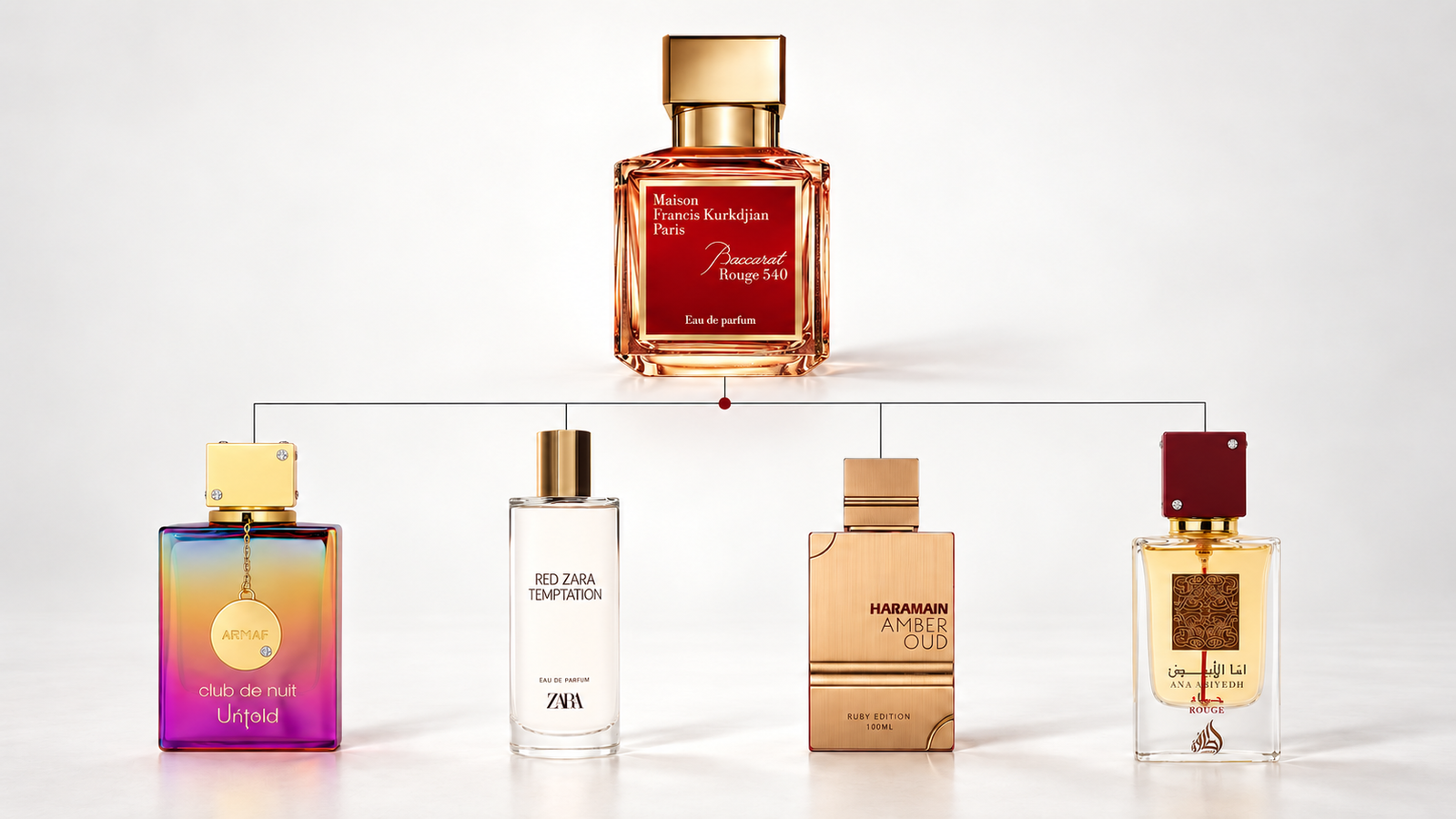
Baccarat Rouge 540 and Zara Red Temptation: The Famous Relative
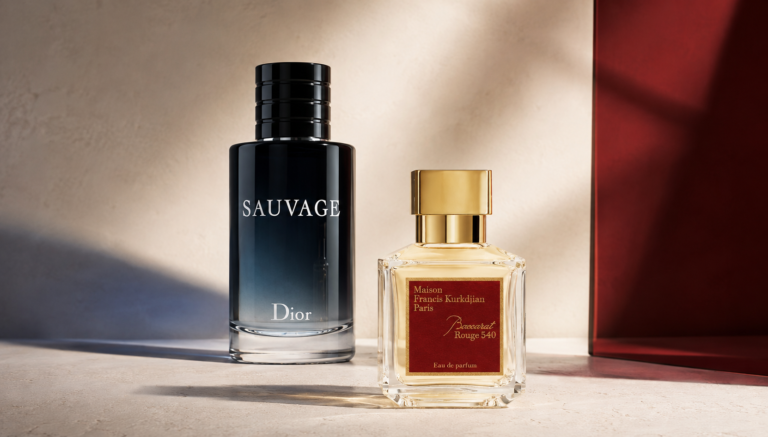
If modern perfume has produced one particularly sprawling family tree, Maison Francis Kurkdjian Baccarat Rouge 540 has an excellent claim to being somewhere near its centre.
Its combination of saffron-like warmth, airy floral effects, ambered woods, sweetness and a distinctive mineral quality became one of the most recognizable signatures in contemporary perfumery. Unsurprisingly, numerous fragrances have subsequently been compared to it.
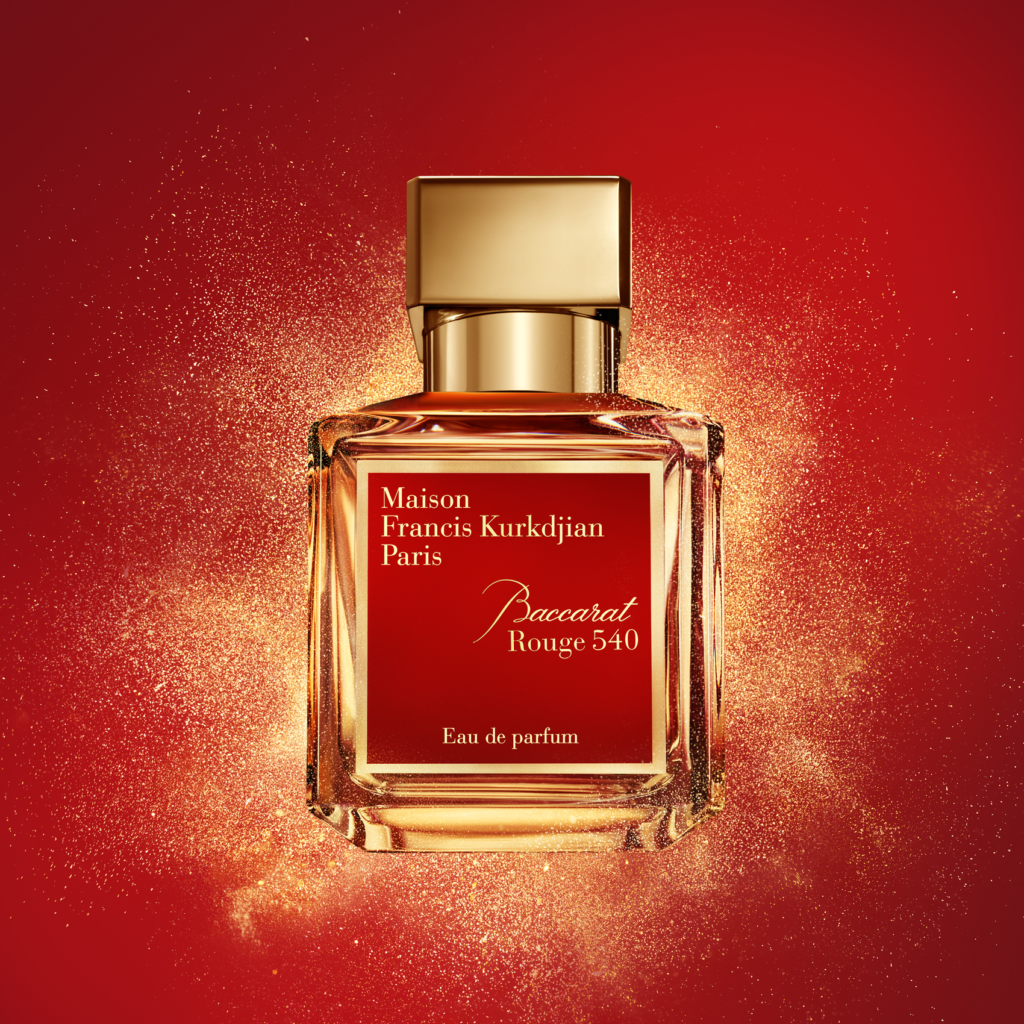
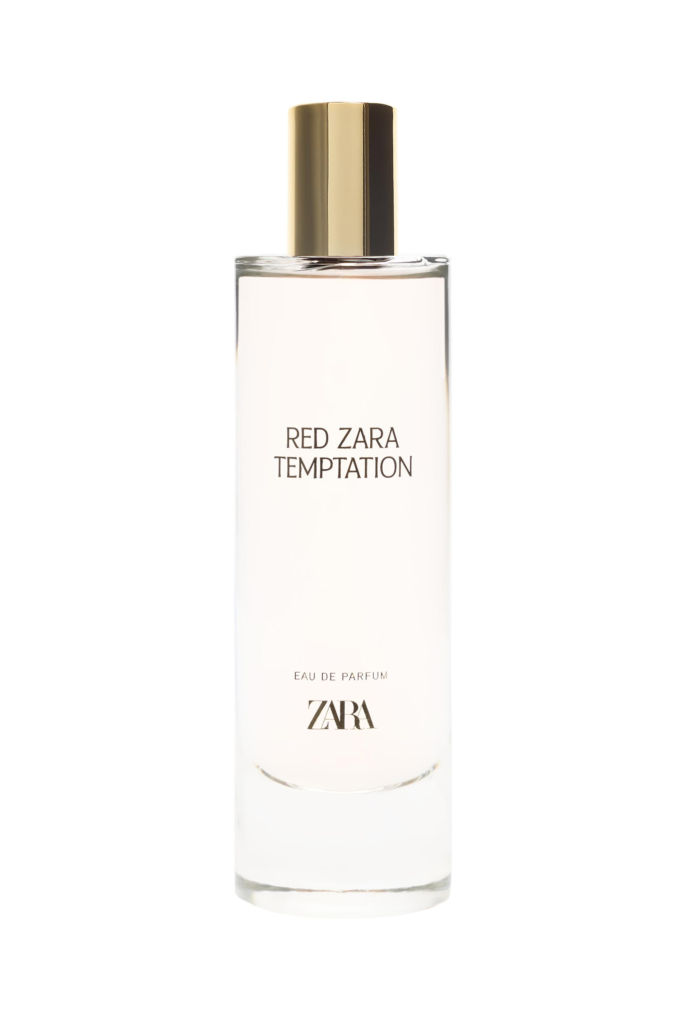
Zara Red Temptation is among the most frequently discussed affordable alternatives. The comparison has moved well beyond specialist fragrance communities and regularly appears in mainstream beauty coverage.
Both occupy a glowing, sweet, woody space, but resemblance does not erase differences. Red Temptation is often described by wearers as denser or sharper, while Baccarat Rouge 540 is frequently perceived as more transparent and diffusive.
This is therefore one of the clearer examples of what consumers usually mean when they use the word dupe: two independently branded products creating a sufficiently similar overall impression for the relationship to become part of the way the cheaper fragrance is discussed.
Baccarat Rouge 540 has accumulated enough supposed relatives by now that the family tree may require administrative support.
Creed Aventus and Club de Nuit Intense Man: When a Style Becomes a Genre
Few modern masculine fragrances have generated as many comparisons as Creed Aventus.
Its combination of fruit, woods and smoky darkness became enormously influential, and the resulting style has since appeared across countless launches at dramatically different price points.
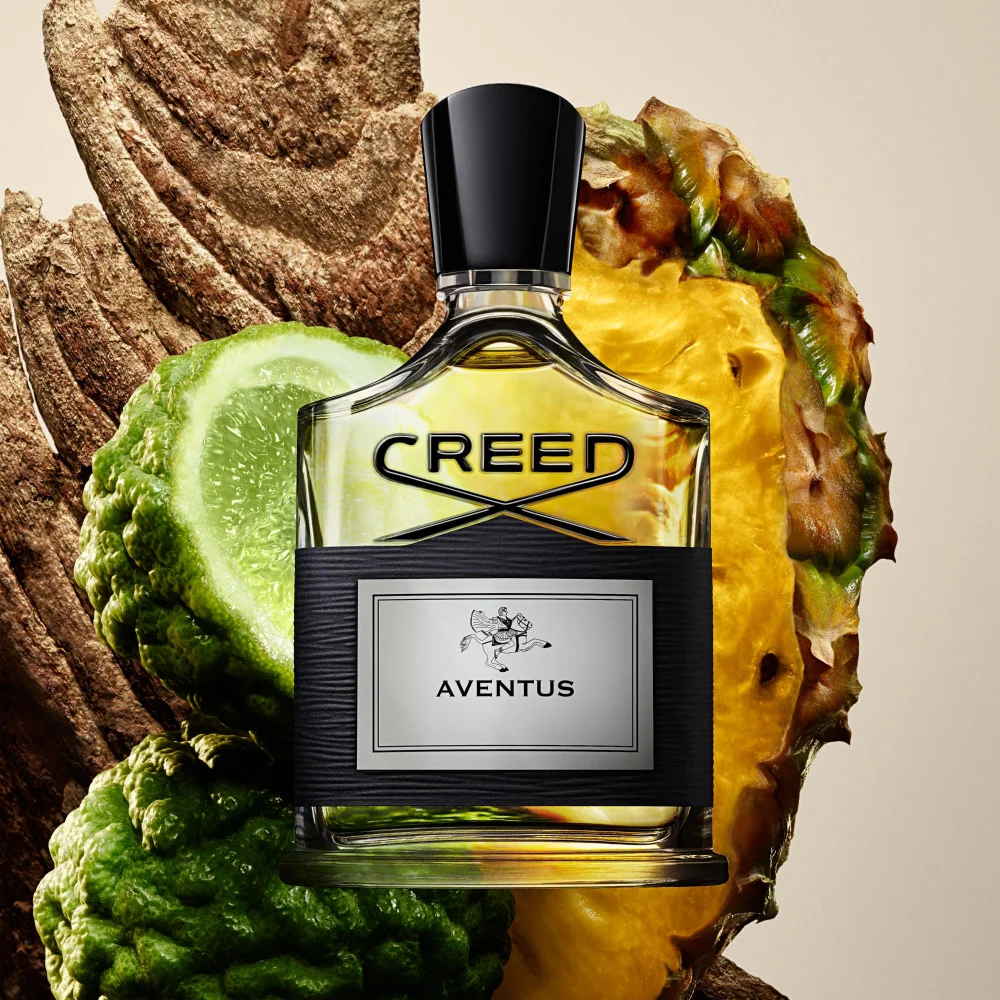
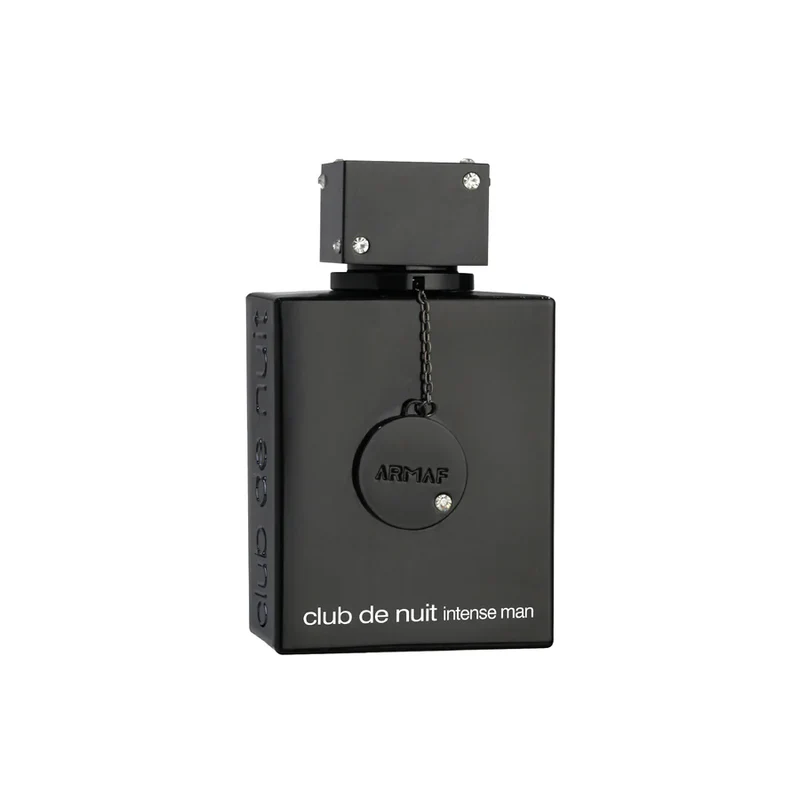
Armaf Club de Nuit Intense Man is perhaps the best-known affordable fragrance associated with that profile. Its opening is frequently described as sharper and considerably more citrus-forward than Aventus, while the drydown moves into the fruity, woody and smoky territory responsible for the comparison in the first place.
Calling the two perfumes interchangeable ignores differences in texture, balance and development. Pretending that the resemblance is entirely accidental, however, would require a fairly heroic commitment to innocence.
What makes this example particularly interesting is that Aventus is no longer simply a fragrance being imitated. Its success helped establish an entire olfactory style. Once that happens, separating direct inspiration from participation in a broader trend becomes considerably less straightforward.
Sauvage Elixir and Lattafa Asad: Similar Silhouette, Different Details
The comparison between Dior Sauvage Elixir and Lattafa Asad demonstrates particularly well why the word dupe can sometimes be too blunt.
Sauvage Elixir takes the familiar Sauvage identity into a darker, spicier and more concentrated direction, combining aromatic freshness with warm spices, liquorice and dense woods. Asad is repeatedly recommended as a budget-conscious alternative because it occupies a similarly forceful spicy-amber space.
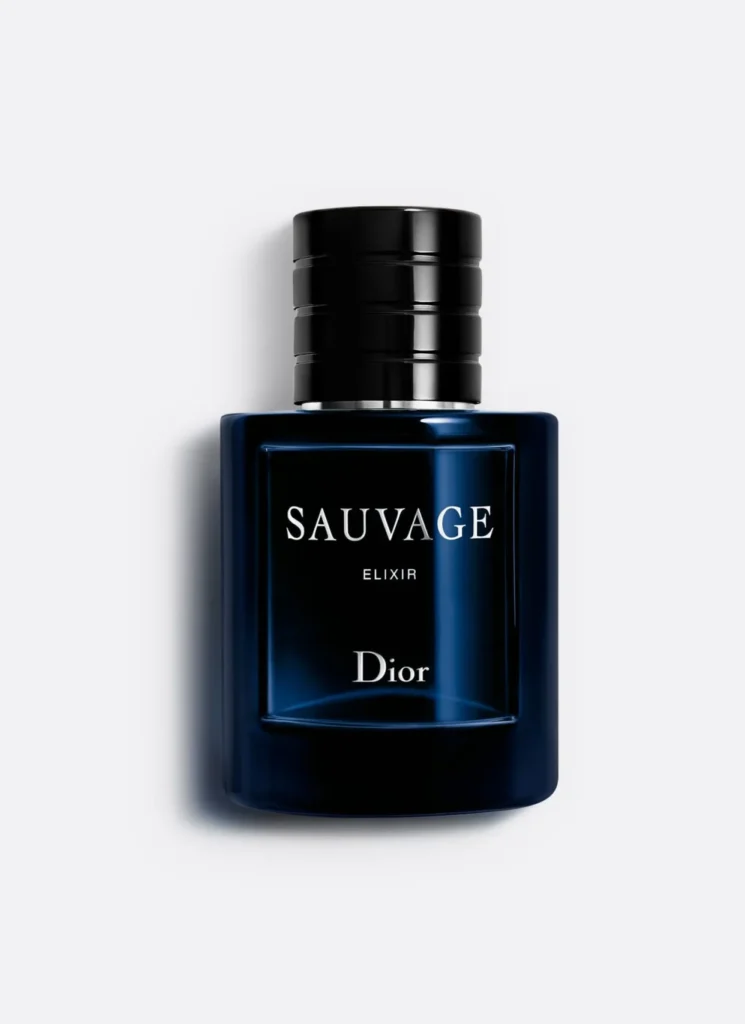
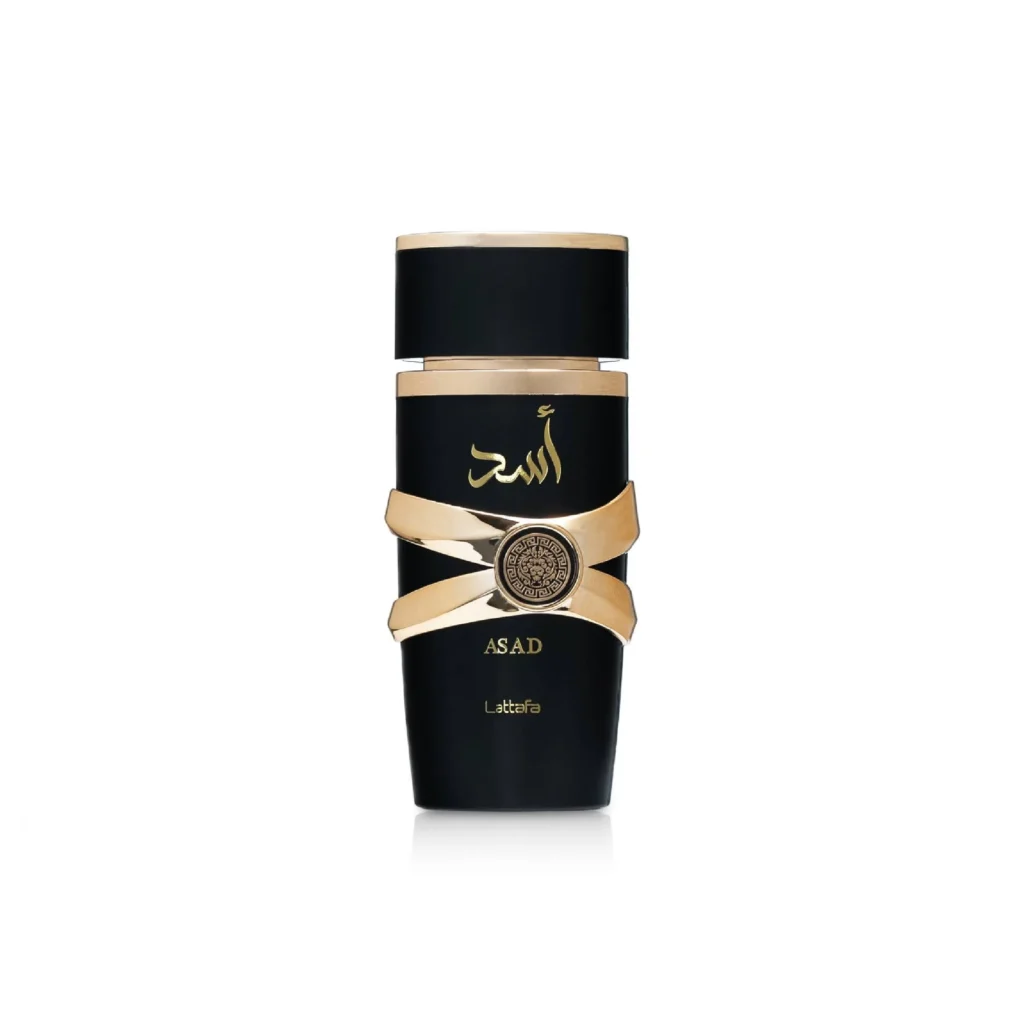
Yet the differences become increasingly apparent once the initial resemblance is examined more closely. Asad is commonly described as sweeter, more vanilla-driven and less intricate, and not every wearer considers the two particularly close once they have developed on skin.
The broad silhouette may be recognizable without every detail matching.
That distinction matters because the usefulness of a dupe does not depend on mathematical equivalence. Someone looking for the same general effect at a lower price may find the comparison extremely helpful even if a side-by-side test reveals substantial differences.
Lovely and Narciso Rodriguez For Her: The Complicated Cousins
Not every famous comparison fits comfortably into the clone narrative.
Sarah Jessica Parker Lovely has long been compared with Narciso Rodriguez For Her, particularly the original 2003 Eau de Toilette in the black bottle. Both create an elegant, intimate effect built around musk, ambered warmth, woods and a polished skin-like quality.
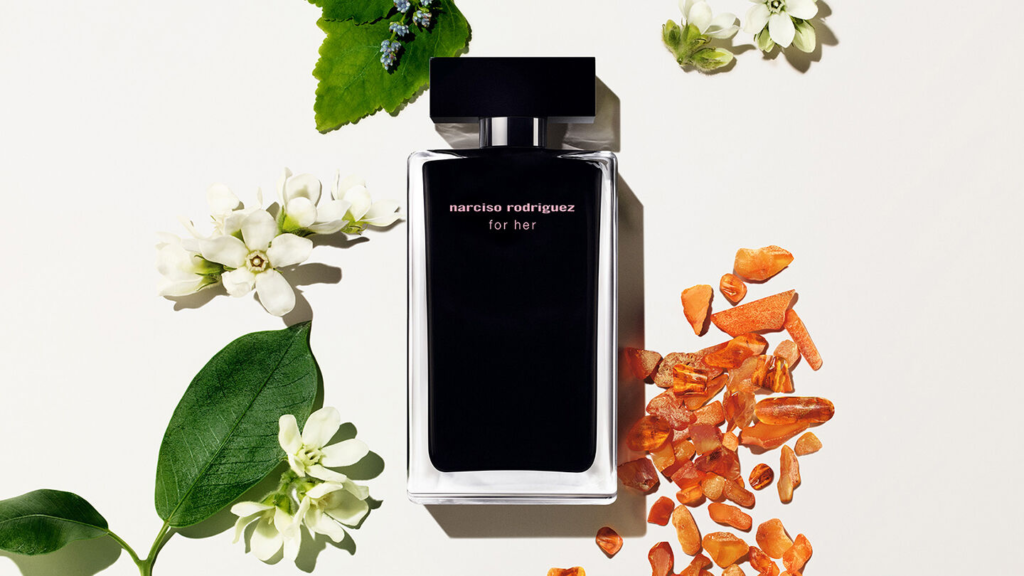
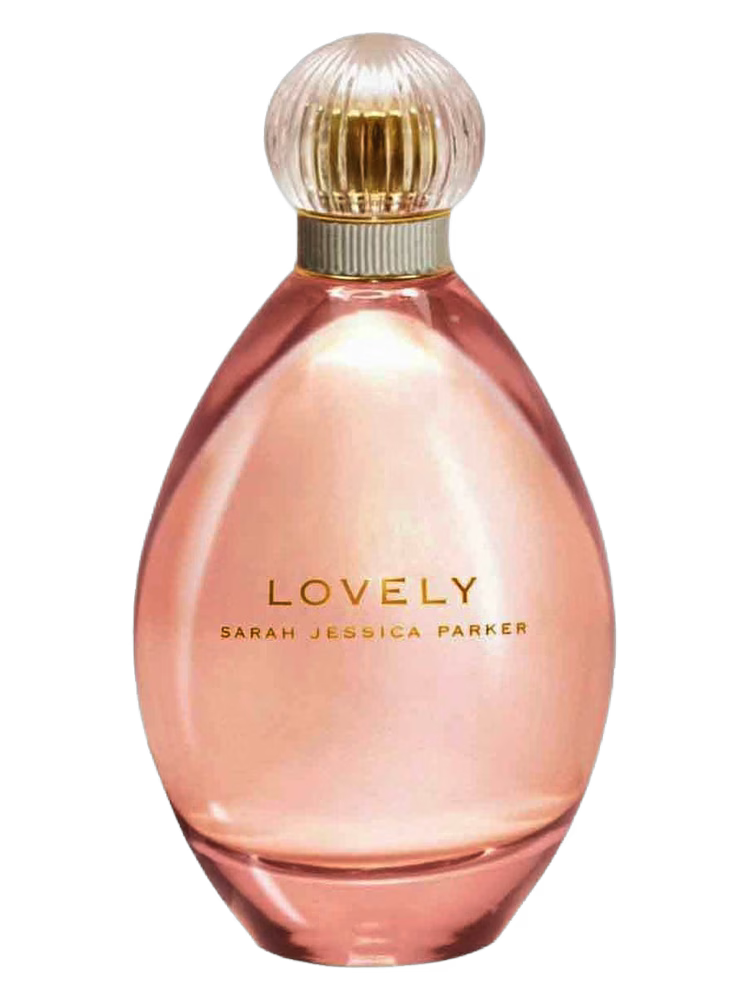
Their similarities are real enough to have sustained the comparison for years, but respected perfume writing has also repeatedly emphasized their differences. Lovely brings lavender and a lighter, airier powderiness, while For Her is generally perceived as richer, darker and more rounded.
This feels less like straightforward duplication and more like two perfumes arriving at a related aesthetic through overlapping ideas.
Lovely therefore represents a useful reminder that resemblance can exist without one fragrance functioning simply as a substitute for another. Sometimes the family connection is obvious; sometimes the cousin genuinely has her own career and would quite like everyone to stop mentioning the resemblance at weddings.
Is Buying a Perfume Dupe Bad?
Reducing the debate around perfume dupes to “original good, dupe bad” is not particularly useful.
Price matters. Access matters. Nobody is required to spend €250 on a fragrance in order to demonstrate sufficient respect for perfumery as an art form. An affordable scent can be enjoyable entirely on its own terms, and in some cases a fragrance initially discussed as an alternative develops enough differences to establish a personality of its own.
The more interesting question concerns what happens to creative authorship when the market becomes saturated with products relying heavily on the recognition created by somebody else.
Perfumers deserve credit for developing ideas that influence the wider industry. Consumers also deserve choices at different price levels.
Acknowledging one of those realities does not require pretending the other does not exist.
The Final Sniff Test
The problem with perfume dupes is not similarity itself, but the certainty with which that similarity is often quantified. Before declaring two perfumes identical, the simplest approach remains the most useful: smell them side by side and give them time.
Compare the opening, texture and development rather than relying exclusively on the first few minutes. Pay attention to the drydown, where compositions that initially appear very close may begin moving in different directions.
More importantly, abandon the obsession with imaginary percentages.
Whether something is supposedly 90%, 95% or 98.7% similar matters considerably less than whether the fragrance actually gives you what you want from it.
A cheaper perfume does not need to be a forensic reconstruction of the original to make sense as an alternative. Nor does sharing a familiar profile automatically make two fragrances interchangeable.
Resemblance may start the conversation, but wearing the perfume should finish it.
And if Baccarat Rouge 540 discovers another cousin next month, there is probably still room on the family tree.
Comparison at a Glance
| Zara Red Temptation / Baccarat Rouge 540 | Strong and widely discussed overall resemblance |
| Club de Nuit Intense Man / Creed Aventus | Clear shared fruity-woody-smoky profile, with noticeable differences |
| Lattafa Asad / Dior Sauvage Elixir | Similar spicy-amber silhouette, but more debated in development |
| Sarah Jessica Parker Lovely / Narciso Rodriguez For Her EDT | Related aesthetic and materials rather than a straightforward clone |
| Editorial Note: The pairings discussed above are widely reported fragrance comparisons. They are not allegations that any named company copied a protected formula or infringed intellectual property, and no legal determination is being made here. The comparisons concern the way the finished fragrances are discussed and perceived. |